Building Stronger Communities: CAUSE II's Growing Impact Across Solomon Islands
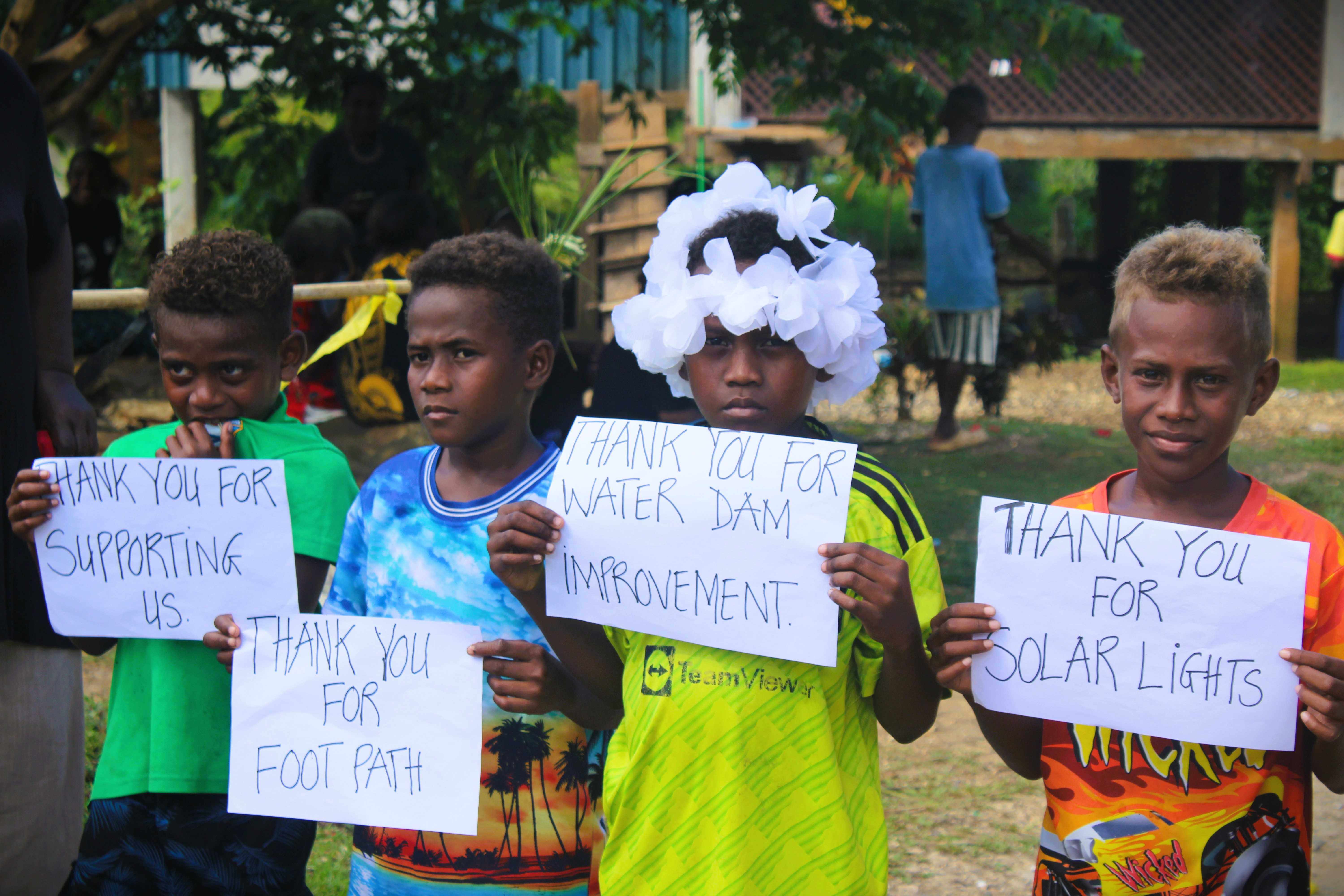
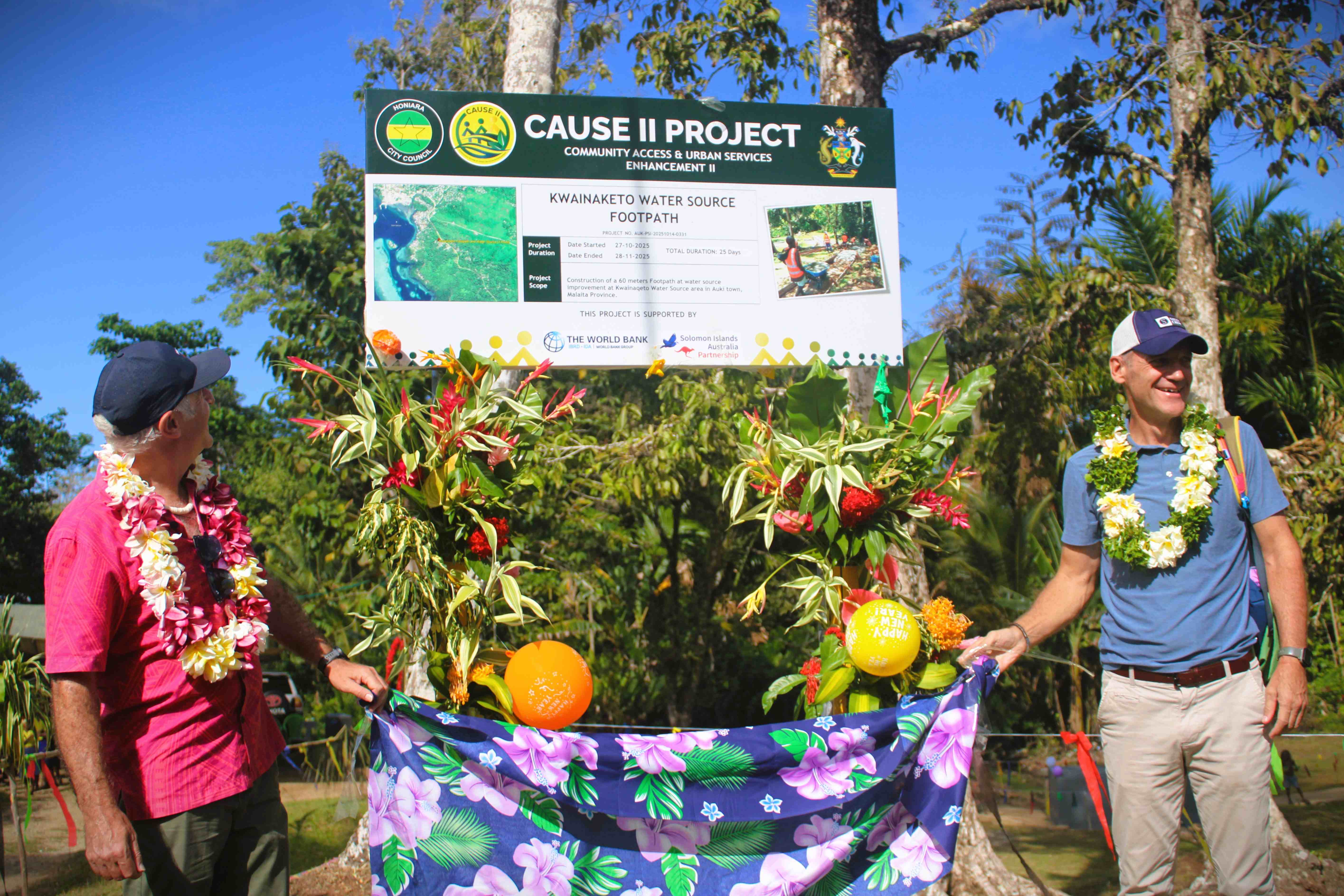
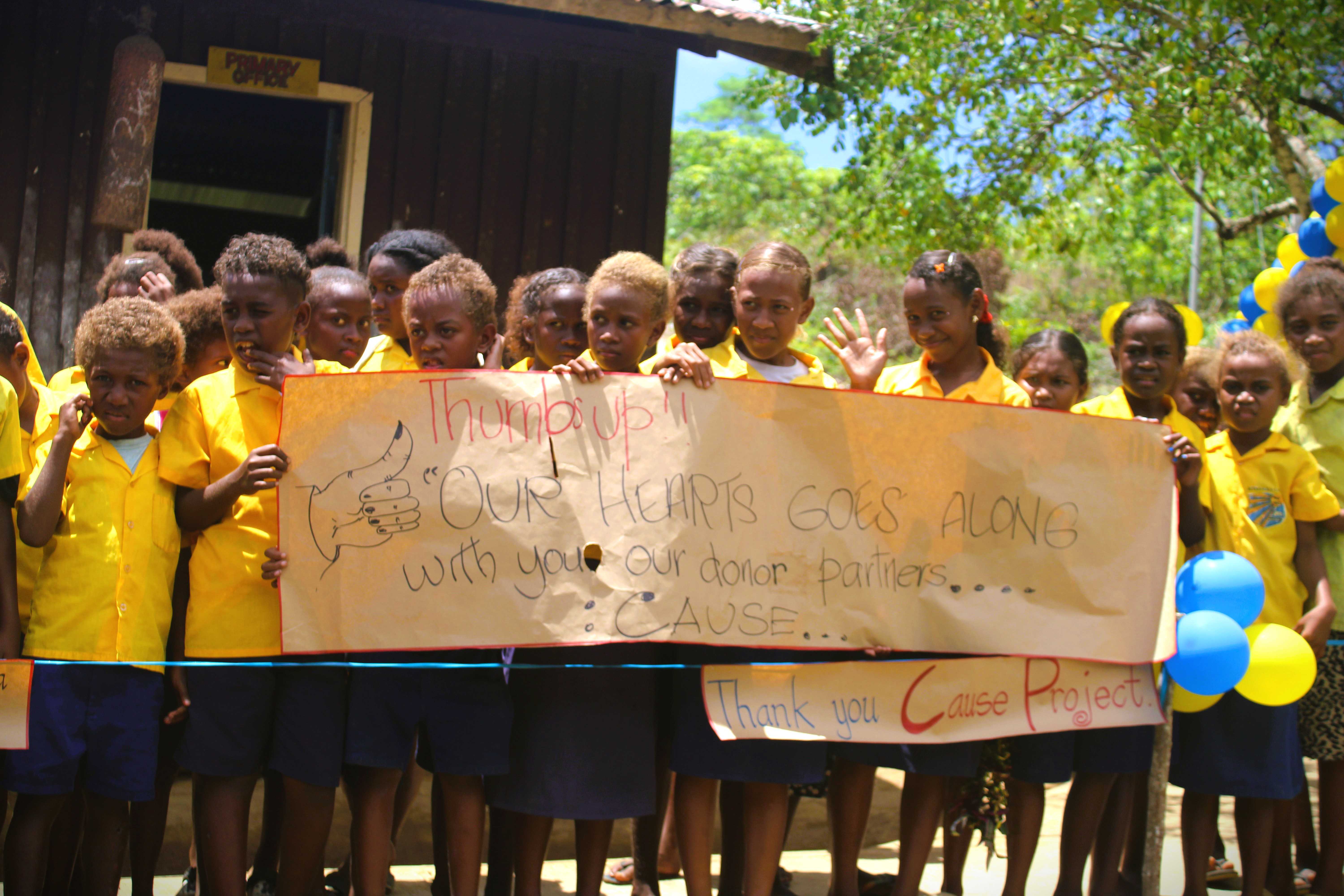
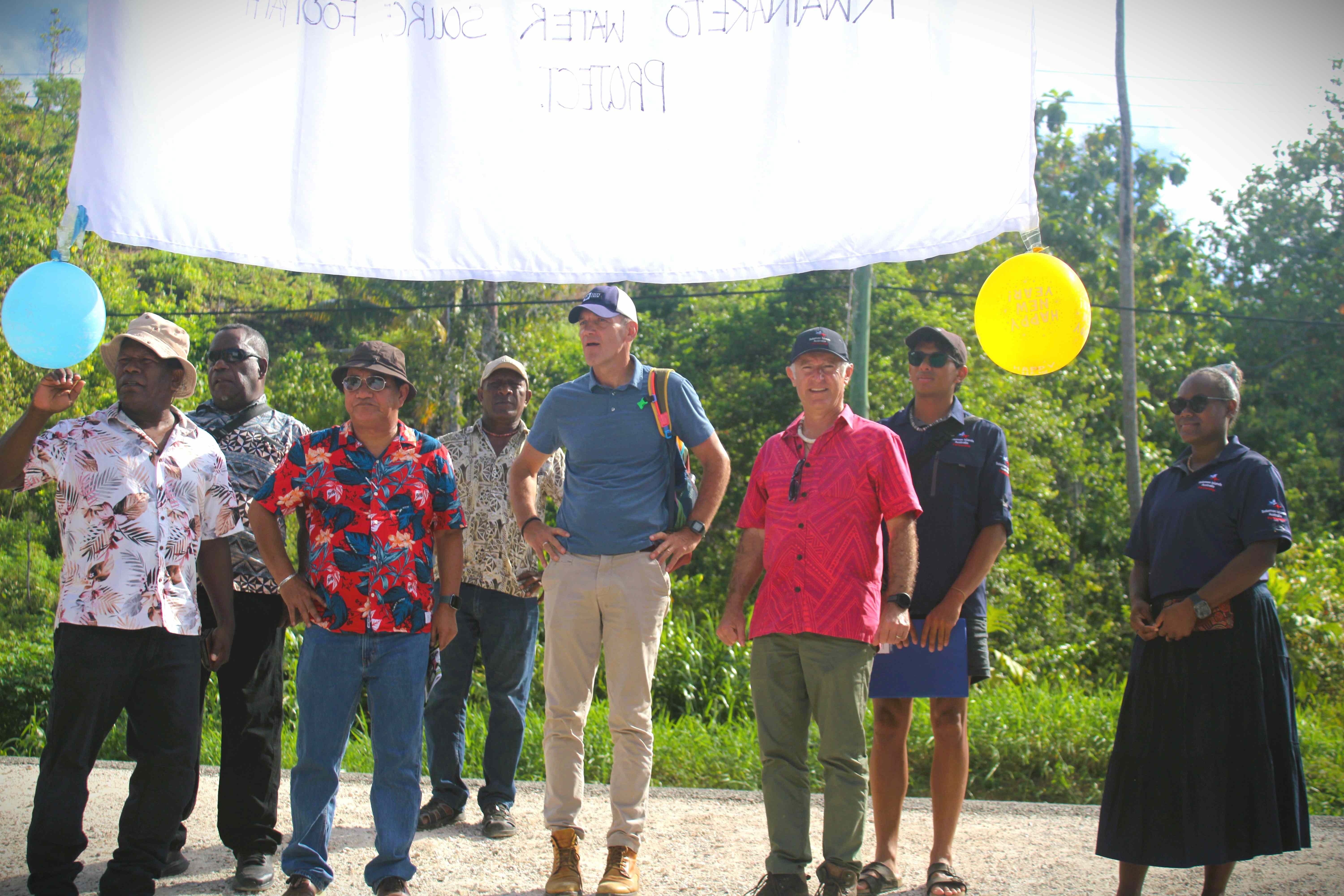
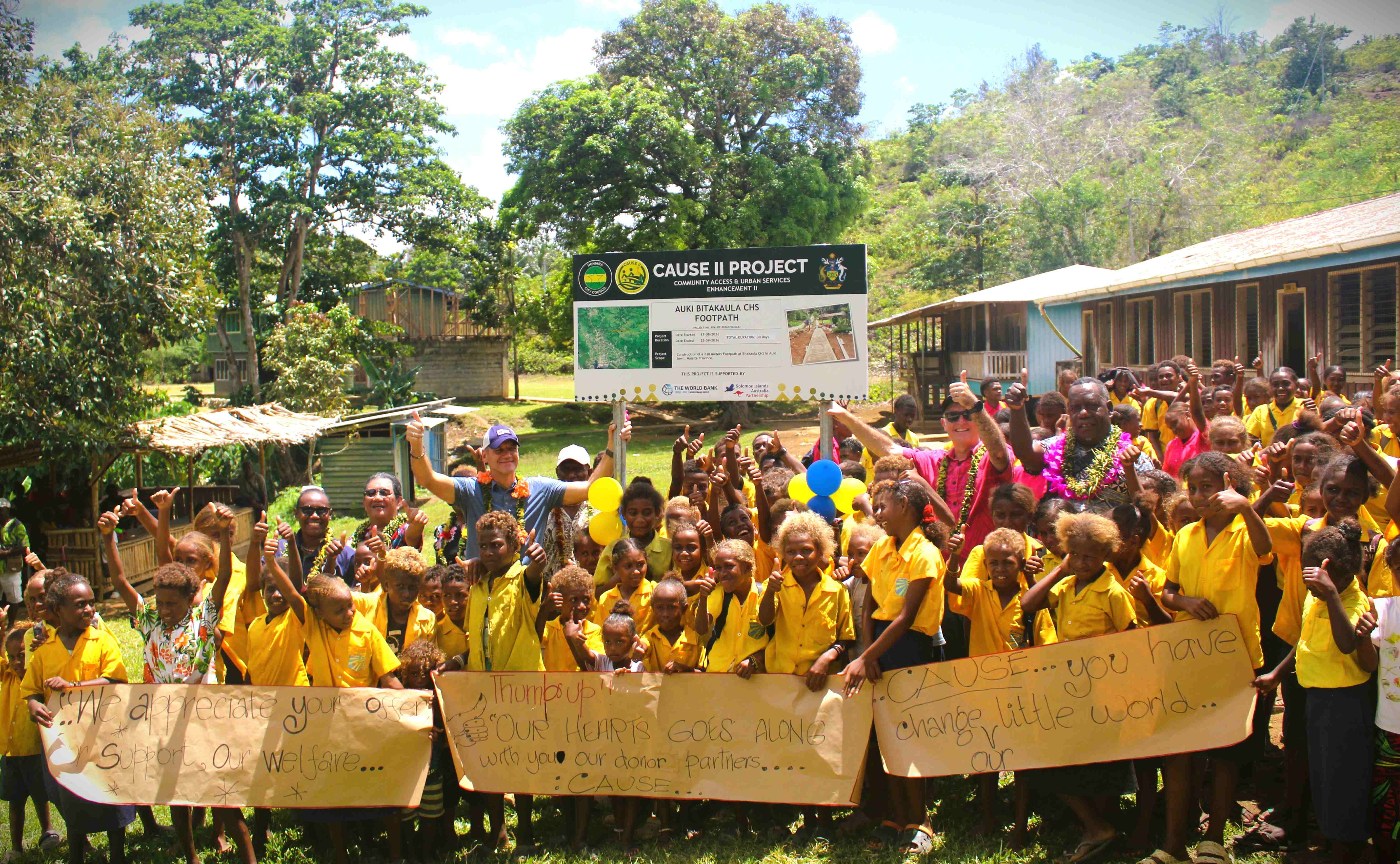
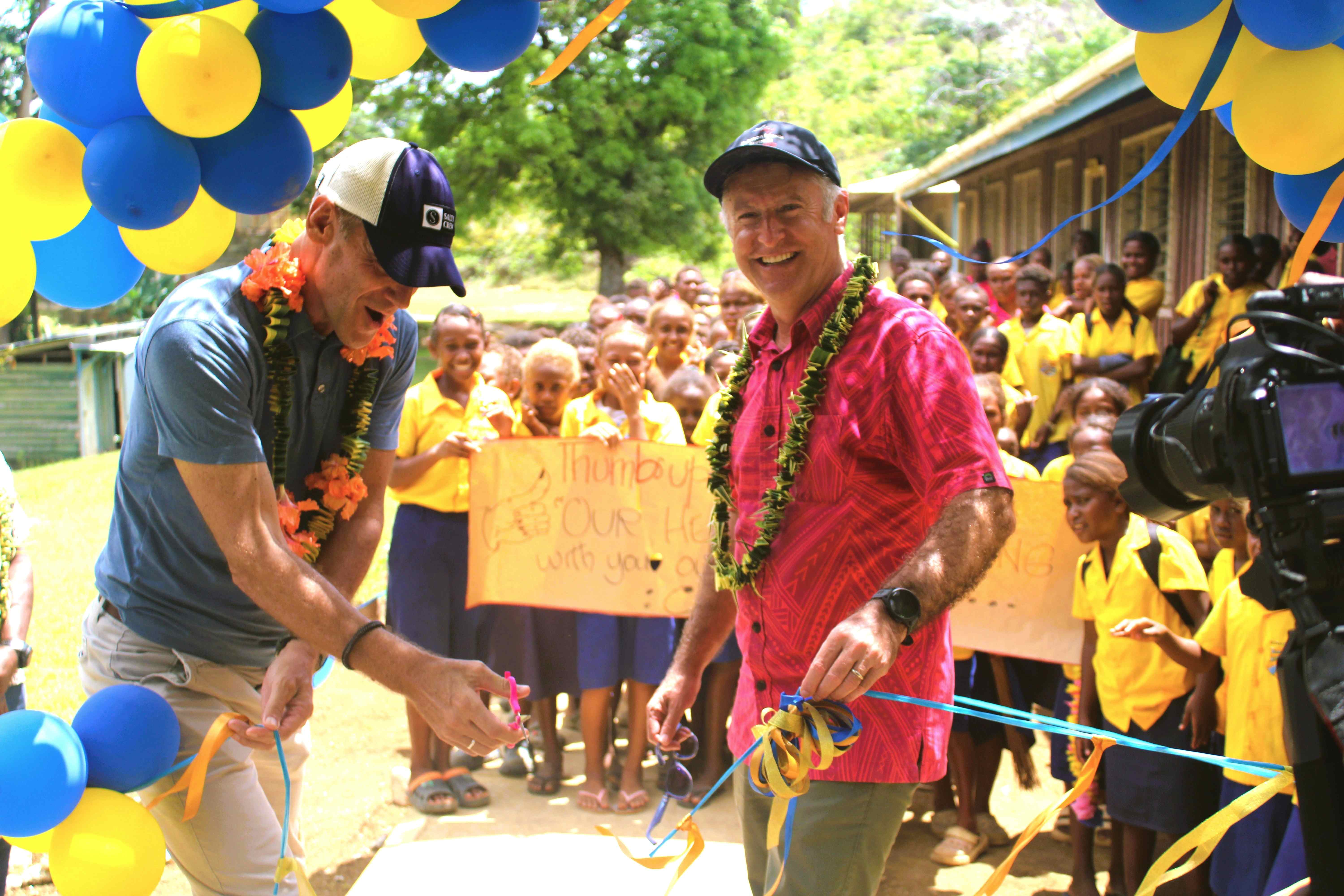
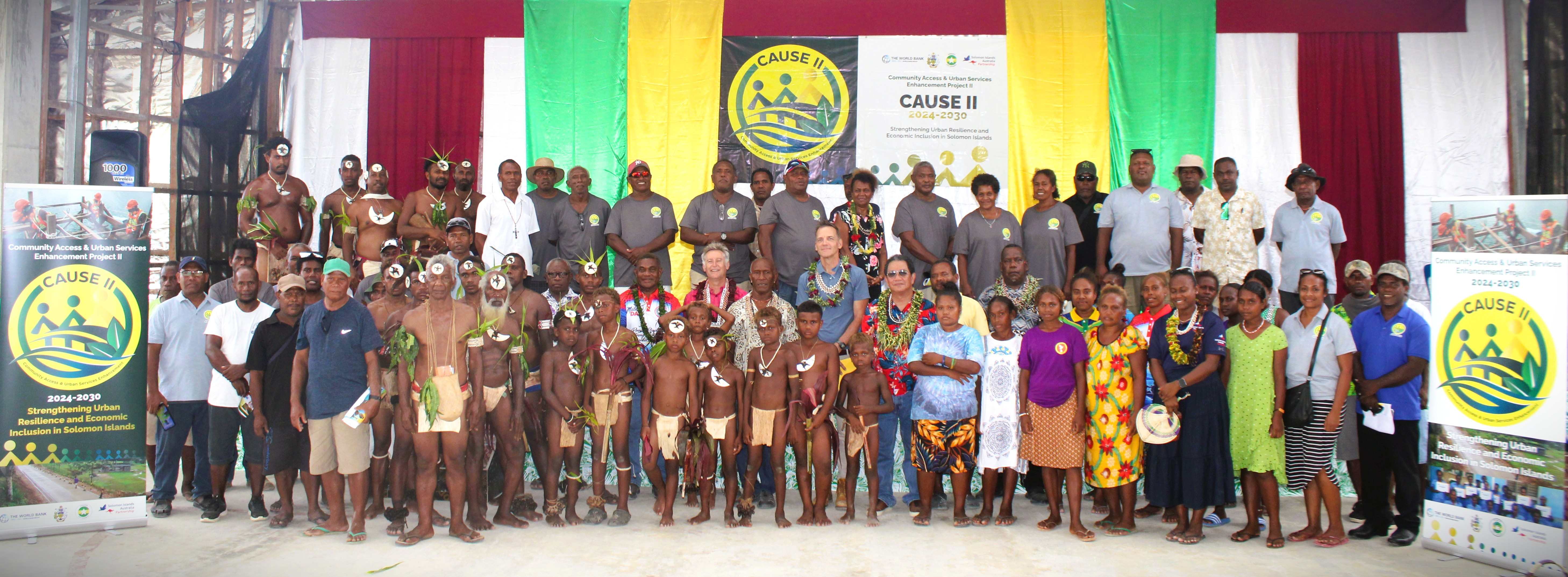
AUKI, Malaita Province – MORE than 2,000 residents across nine communities in Auki are expected to benefit from six recently completed community infrastructure projects handed over under the Community Access and Urban Services Enhancement Project II (CAUSE II), adding to the project's growing contribution to urban development across Solomon Islands.
The completed investments, comprising four community footpaths and two solar lighting projects, represent another important step in improving pedestrian access, public safety and connectivity within Malaita's provincial capital.
However, the impact of CAUSE II extends well beyond these six completed projects.
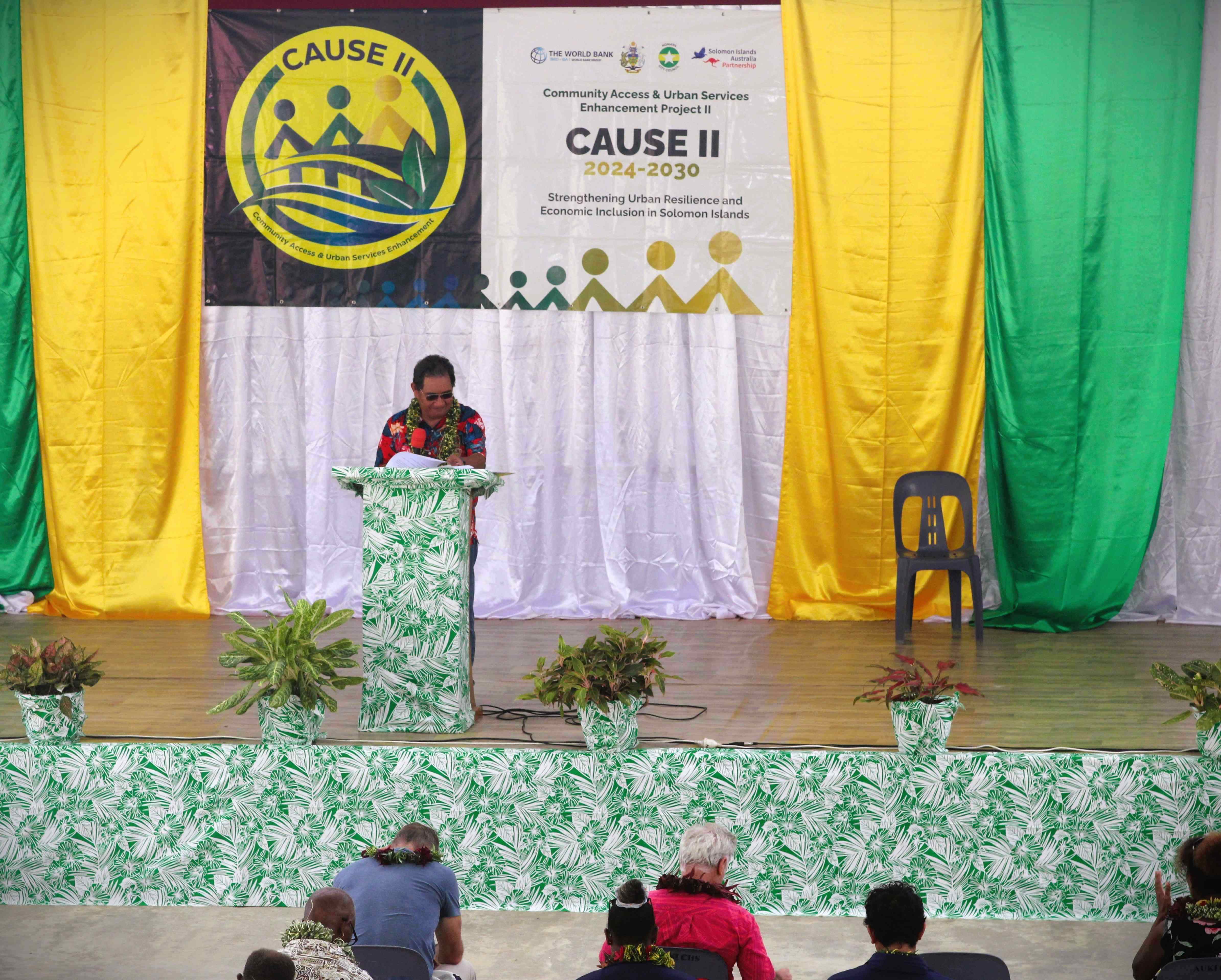
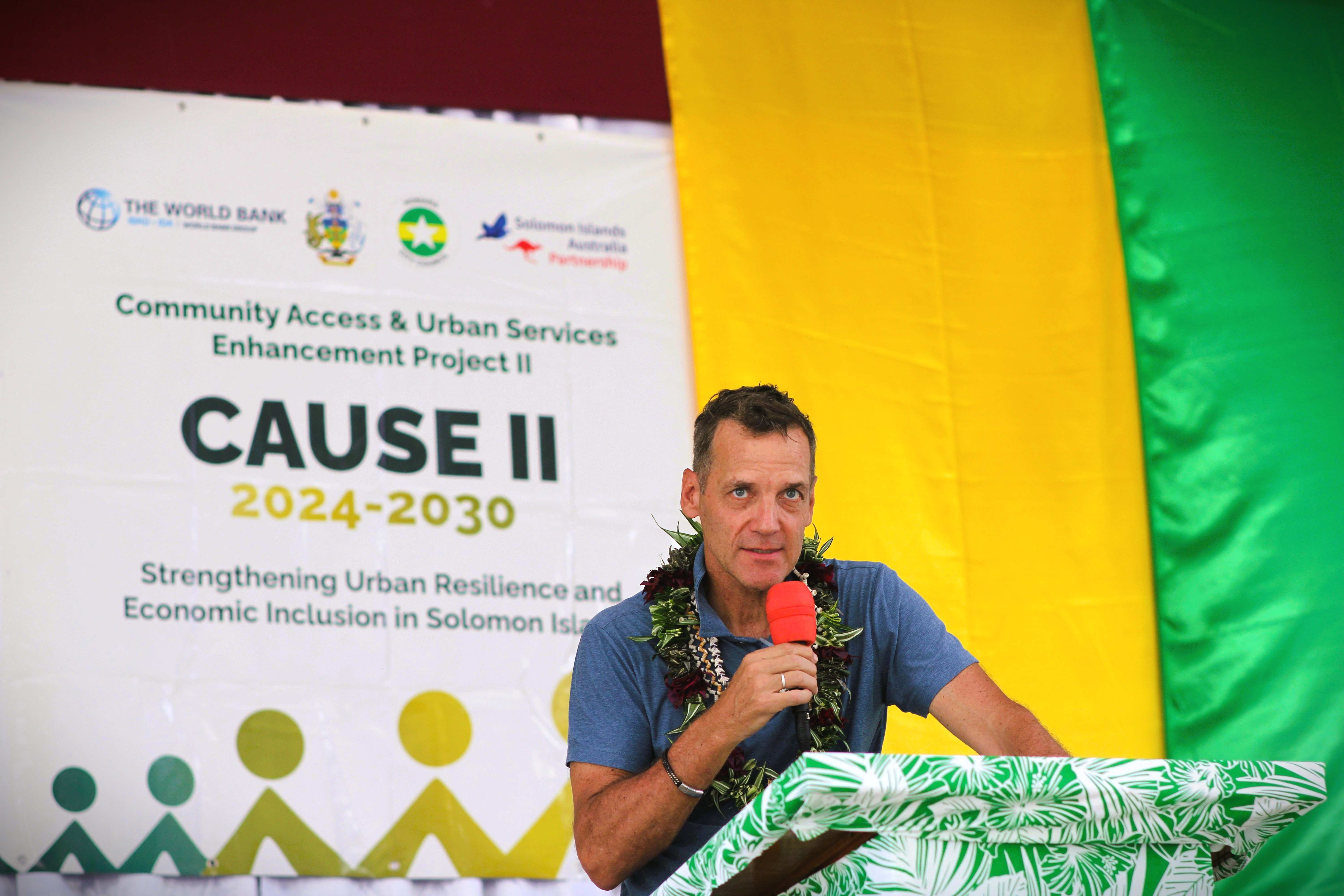
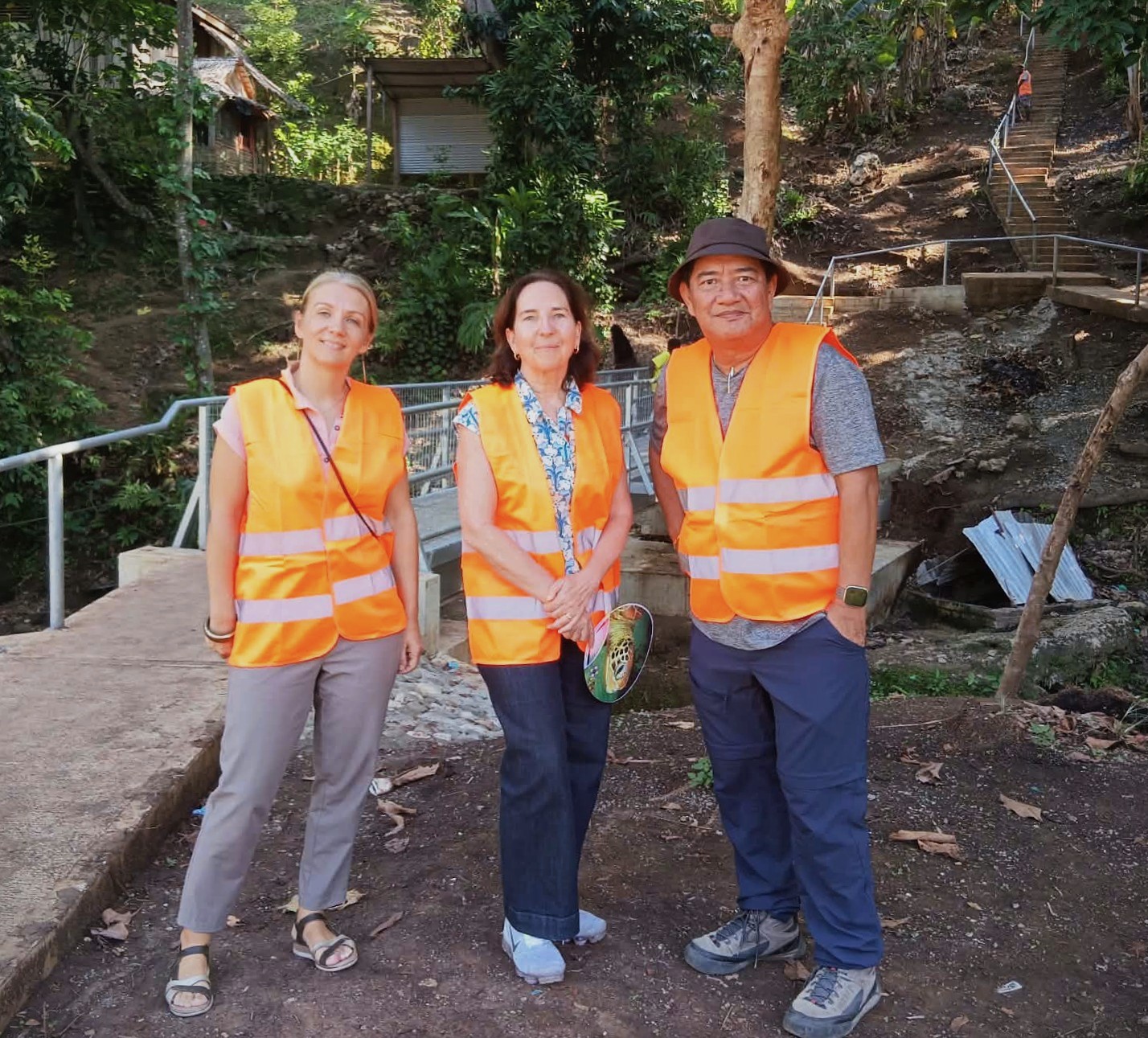
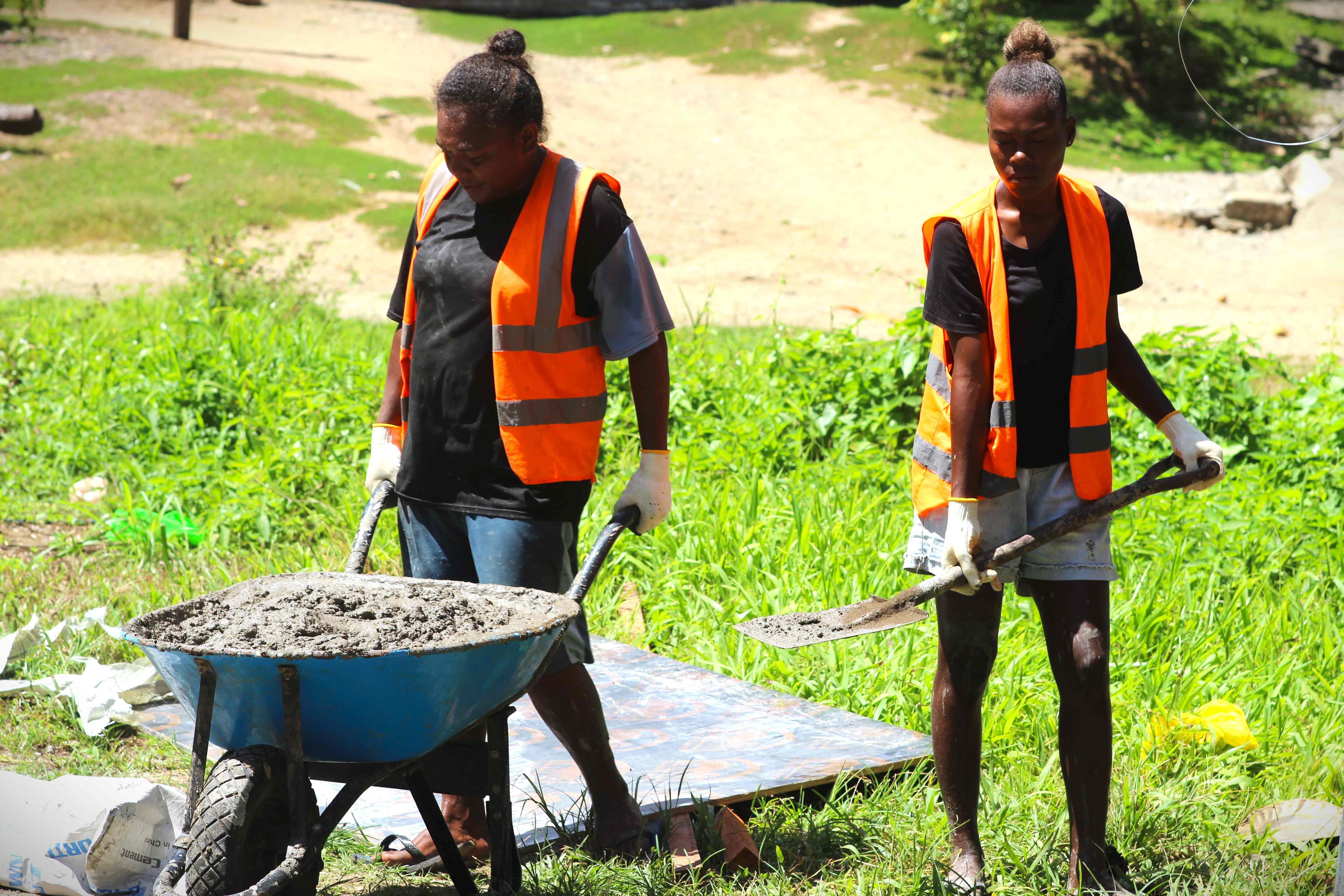
During the official handover ceremony in Auki on Monday, 16 November 2026, World Bank Country Representative Mr Bernard Harborne highlighted the wider achievements of the CAUSE programme, noting that more than 10,500 community workers have collectively contributed over 400,000 labour days towards the construction of more than 260 community facilities.
Across CAUSE Phase I and II, community workers have also contributed to the construction of approximately 19 kilometres of footpaths and footbridges, of which 7.6 kilometres are supported by solar lighting.
Growing Impact in Malaita
In Auki, CAUSE II has combined infrastructure improvements with community-based employment and urban service activities.
Since May 2025, the project's Waste Cleaning and Collection programme has supported regular activities across nine segments of Auki and its surrounding areas.
Project reporting recorded 99 completed waste cleaning and collection contracts, with women accounting for 68.3 per cent and young people 60.5 per cent of participating workers. Five workers with disabilities were also recorded during the reporting period.
The recent handover of six infrastructure projects further strengthens these investments by improving access and safety for residents across nine communities.
Transforming Communities in Western Province
In Western Province, CAUSE II has already handed over 19 completed community infrastructure sub-projects across Gizo and Noro.
In Gizo, nine completed projects have reached an estimated 2,903 direct beneficiaries, while engaging 108 community workers, including approximately 28 women and 67 young people.
In Noro, 10 completed sub-projects have reached an estimated 26,416 direct beneficiaries, engaging 155 community workers, including approximately 48 women and 111 young people.
These investments include footpaths, solar-powered lighting, market improvements, drainage rehabilitation, a jetty landing deck and improvements to the Banana Valley wharf storage yard.
The project's work also extends to Munda, where community groups are participating in waste collection and cleaning activities to improve waste management while creating short-term employment opportunities.
Improving Access Across Honiara and Guadalcanal
In Honiara and surrounding communities in Guadalcanal Province, CAUSE II continues to support safer pedestrian access and improved public spaces.
Completed works include the 200-metre footpath at Rita School and the 211-metre footpath at the National Stadium, alongside nine solar-powered LED lighting systems designed to provide up to 12 hours of nighttime lighting.
More recent investments include the 270-metre Grass Valley footpath and solar lighting improvements at Poha Christian Academy, where five solar LED lighting systems are being installed along the existing community footpath.
These projects demonstrate how targeted community infrastructure can improve access for schoolchildren, women, elderly residents and other people who depend on safe and reliable public pathways.
Investing in People and Communities
Beyond the physical infrastructure, CAUSE II's approach continues to create opportunities for community members to participate in training, gain practical work experience and earn income through locally delivered activities.
The project's REDI 4 WAKA programme supports work-readiness training, while community-based infrastructure and urban service activities provide opportunities for participants to apply their skills.
Together, these investments demonstrate the broader contribution of CAUSE II towards improving access to essential services, strengthening local livelihoods and supporting more inclusive, climate-resilient urban development.
From Auki to Gizo, Noro, Munda, Honiara and surrounding communities, the project's achievements reflect the importance of strong partnerships between government, development partners, local authorities and the communities themselves.
As implementation continues, CAUSE II remains focused on delivering infrastructure and employment opportunities that respond to local needs and contribute to stronger, safer and more resilient communities across Solomon Islands.
Implemented by the Solomon Islands Government, the CAUSE II Project is supported by the World Bank and the Australian Government through the PNG and Pacific Islands Umbrella Facility Multi-Donor Trust Fund.
Ends///
Gallery