At the End of 600 Meters, a Community is Changing
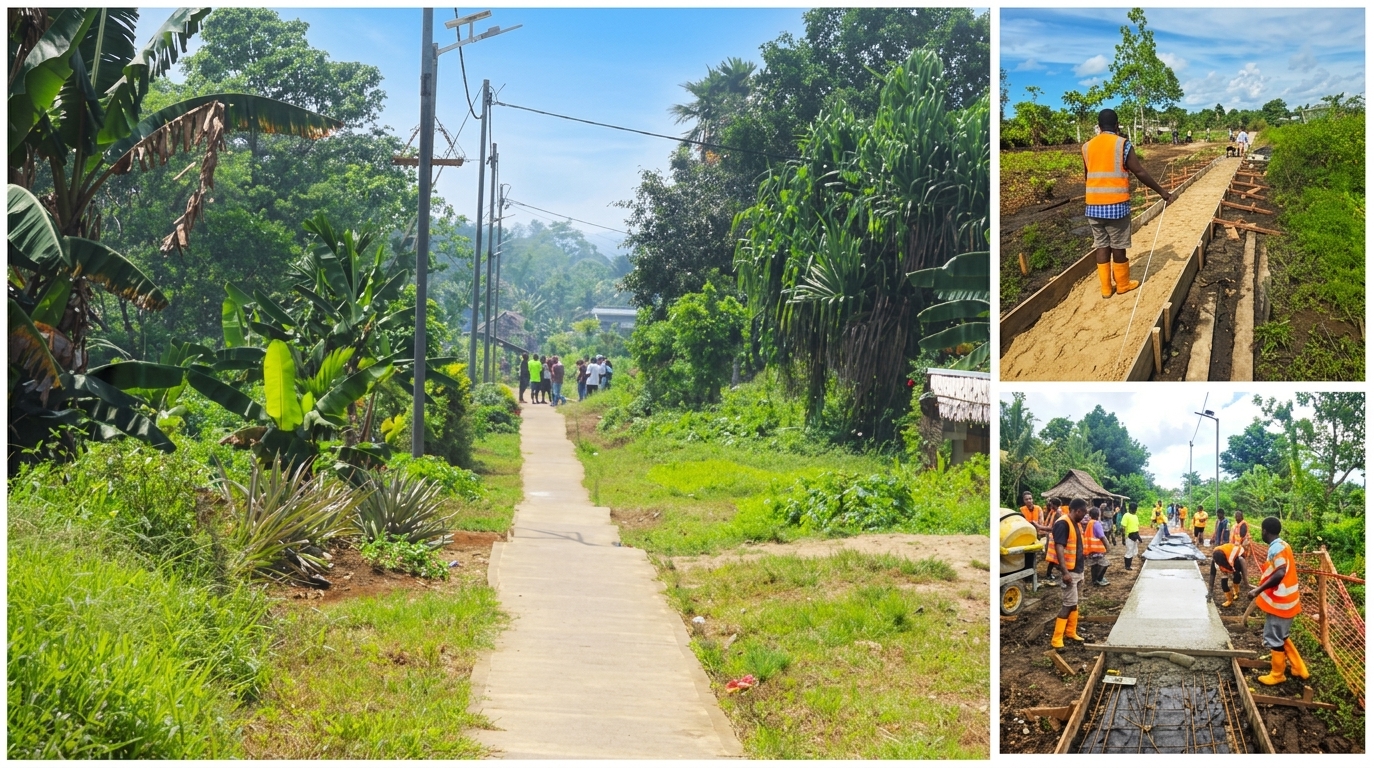
For the people of Bari Land, a new 600-metre footpath has changed far more than the way they get home.
Noro, Western Province, Solomon Islands — For Winston Tito, the story of Bari Land begins with a swamp, a small table and a decision to take a chance on a piece of land that few others were willing to call home.
When Winston first arrived, the area at the back of Noro was little more than bush. He was the first person to settle there, living with his family for more than two years before other families began purchasing land and building homes.
“There was still a big bush back then,” Winston recalls. “Only I and my family resided here.”
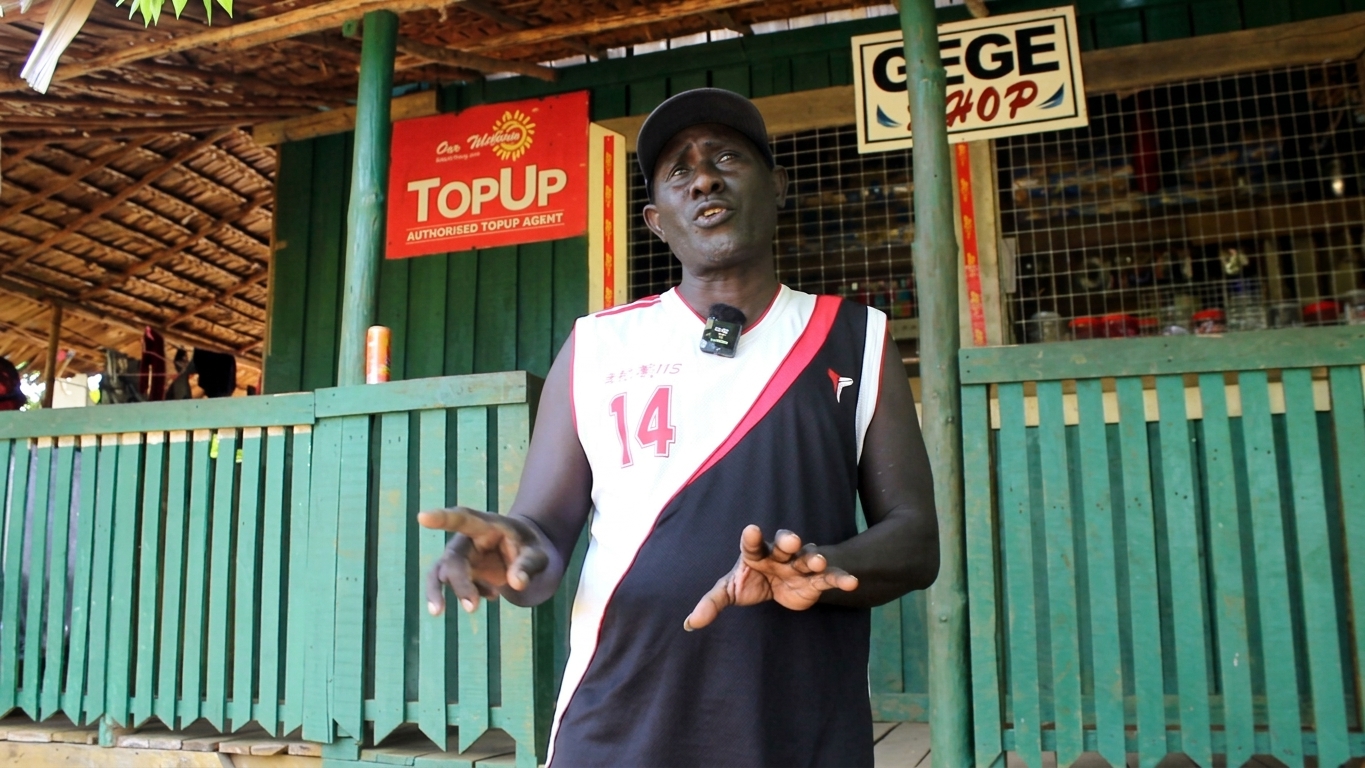
The old logging road was the only access to the area, and even that was no longer being used. As more people began moving in, Winston saw an opportunity to start a small canteen, selling basic goods such as salt, sugar and soap from a single table outside his home.
A few customers became more customers. One table became two.
But getting supplies to the canteen was another matter.
Before the footpath was built, residents had to cross a muddy, swampy stretch between the end of the road and their homes. People improvised by laying sticks, logs and coconut trunks across the swamp, creating a precarious path that became particularly difficult during heavy rain.
Winston remembers carrying bags of rice and other goods through the swamp, only to fall and lose them in the mud and water.
“The mud, the water, the swamp was also very deep – if you fall down the water literally levels to your chest,” he says.
For residents living at the far end of the community, access was not simply inconvenient. It affected how people travelled, worked, went to school and moved the goods they needed for everyday life.
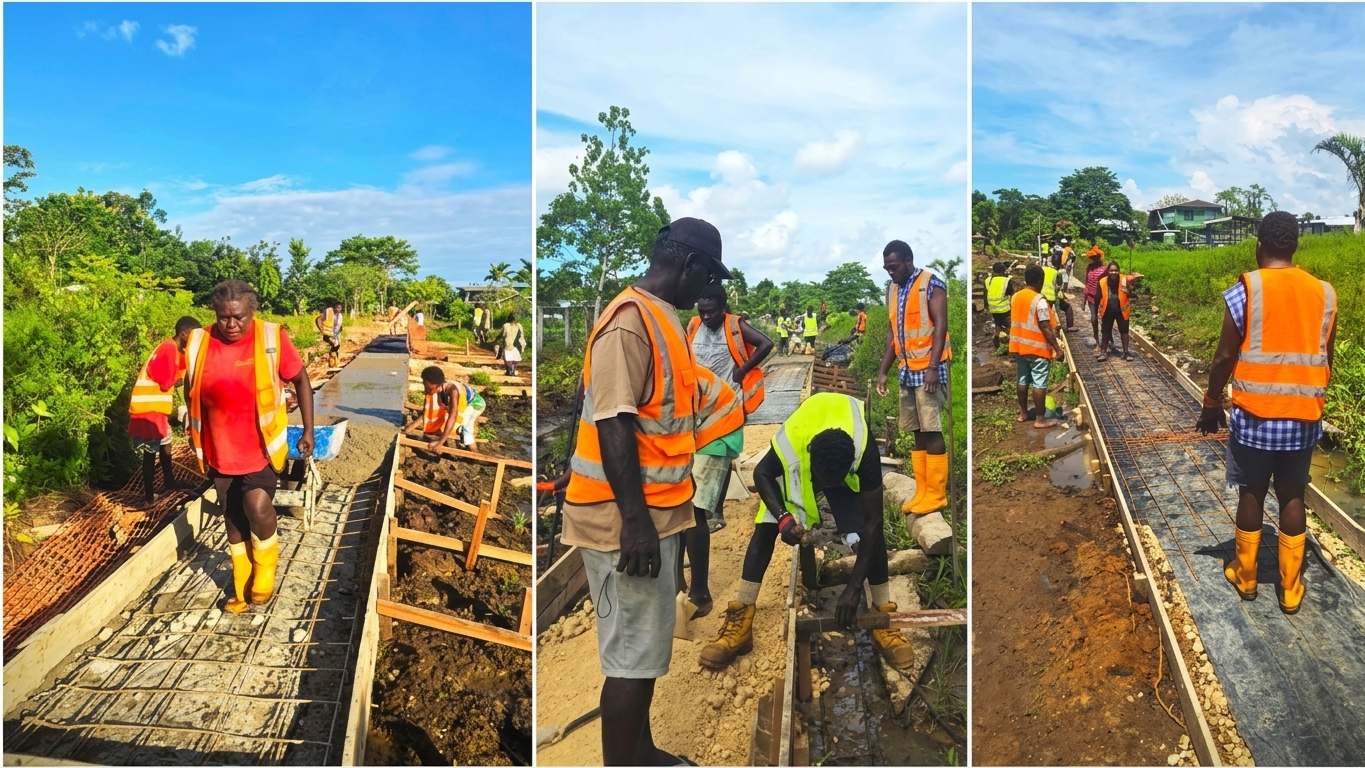
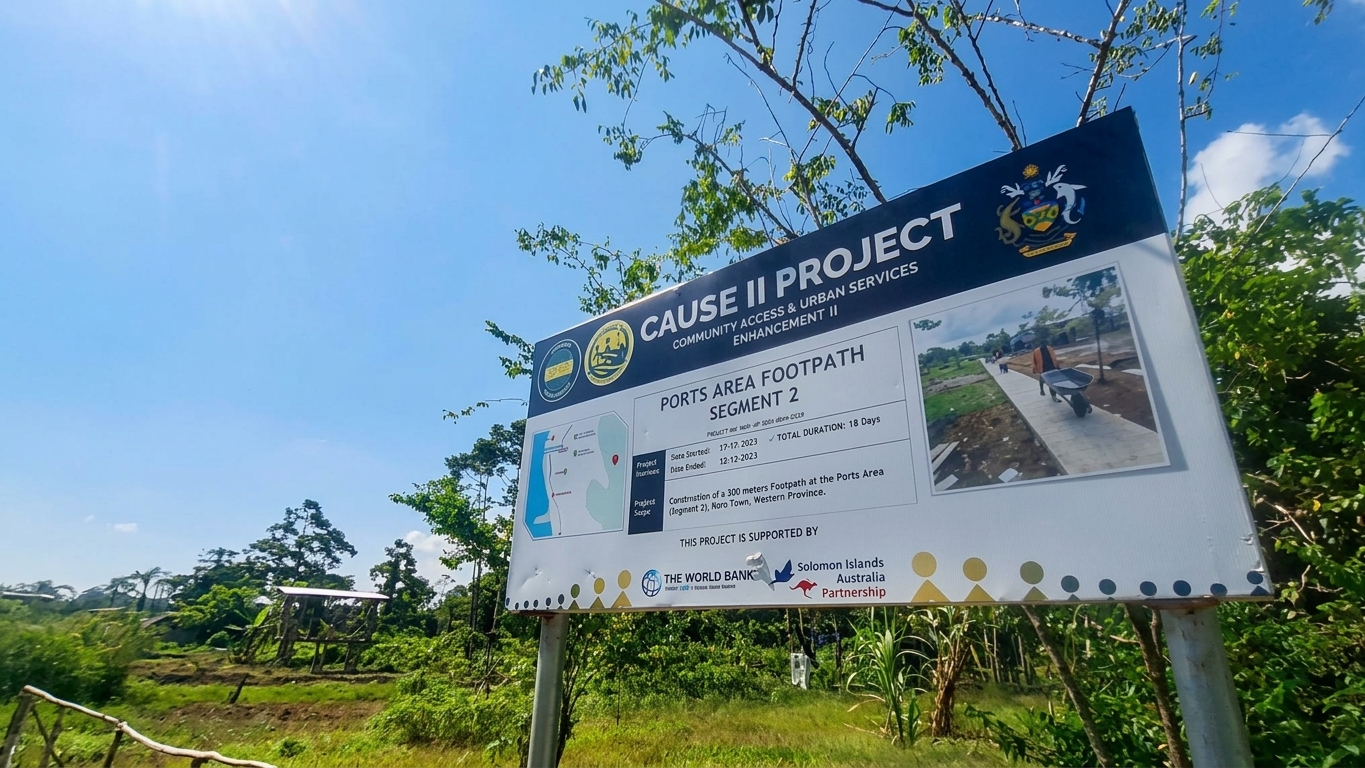
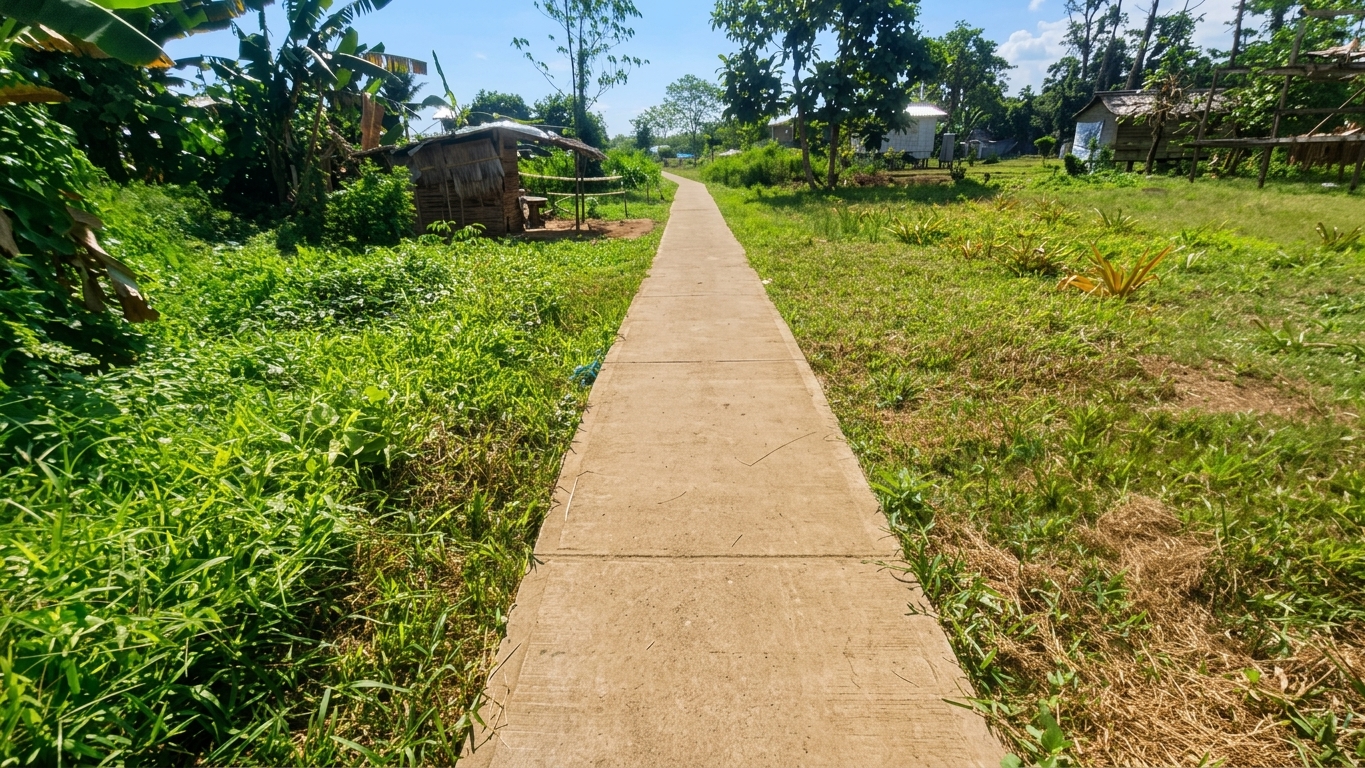
Then came the 600-metre CAUSE II footpath.
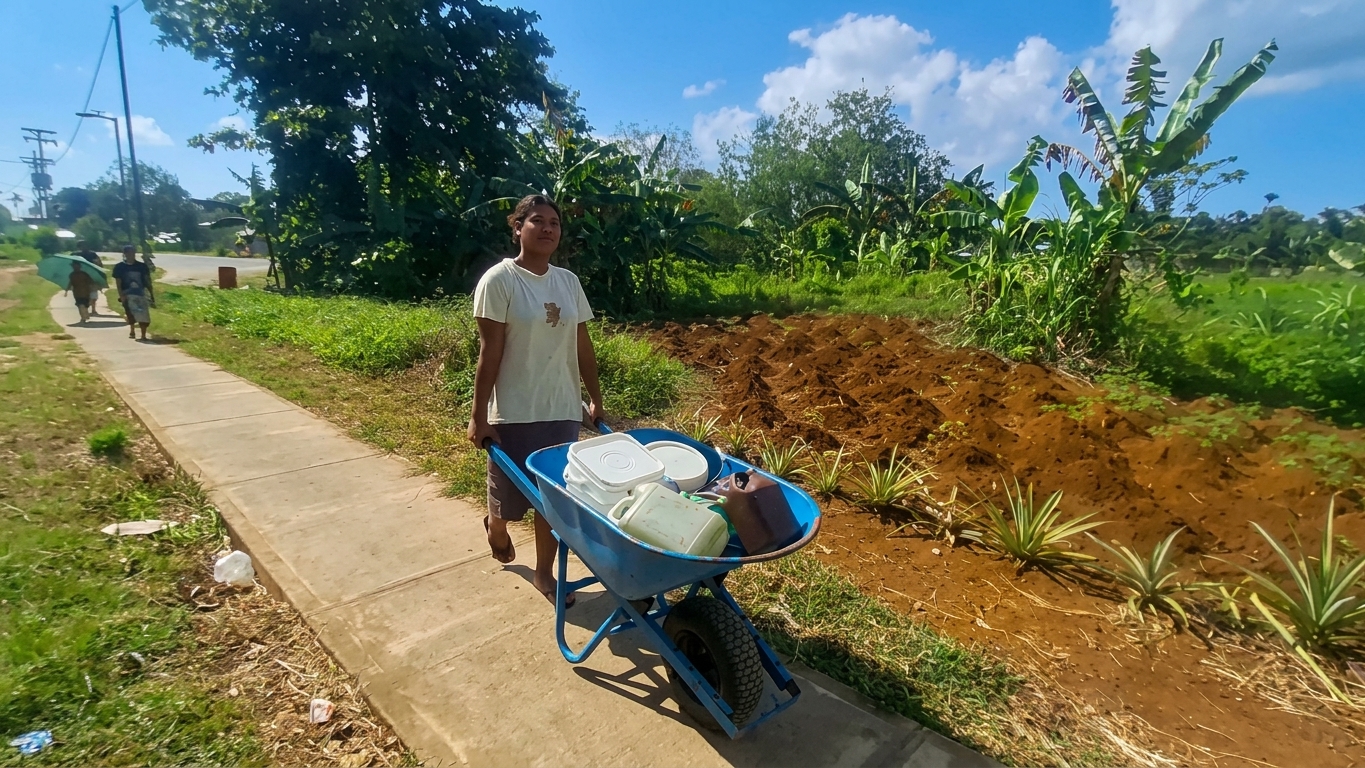
“When the footpath arrived, we now use wheelbarrows or carry our cargo more easily and in increased quantity,” Winston says.
The difference was soon visible in his own business.
With goods easier to transport from the road to his home, Winston could bring in more stock. More people were moving through the community. His customers increased, and so did the size of his business.
“I can now bring in more cargos than the ones displayed on the two tables I mentioned earlier,” he says.
Today, the small table canteen has become a shop – one of the biggest, if not the biggest, in the community.
“Today my tabled canteen is now a shop,” Winston says proudly.
But Winston's story is only one way of understanding what those 600 metres have changed.
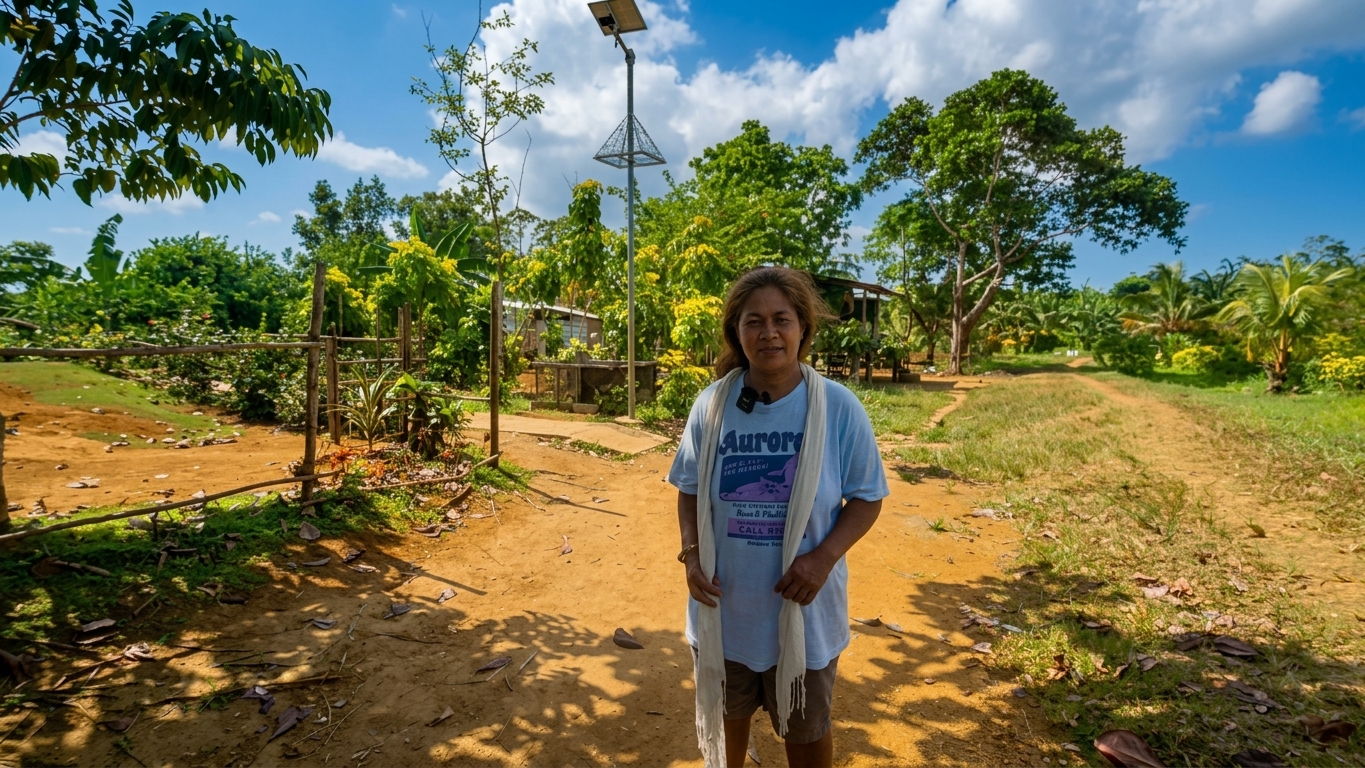
For Cynthia, another resident of Bari Land, the biggest difference can be seen in the everyday lives of families and children.
Before the footpath, residents crossed the swamp on logs, carefully stepping from one to another to reach the other side.
“This place was a big pool – a swampy, stinky pool,” she recalls.
During rainy weather, the journey became even harder. Cynthia says children sometimes did not want to go to school because they were afraid of falling into the swamp or returning home with their uniforms covered in mud.
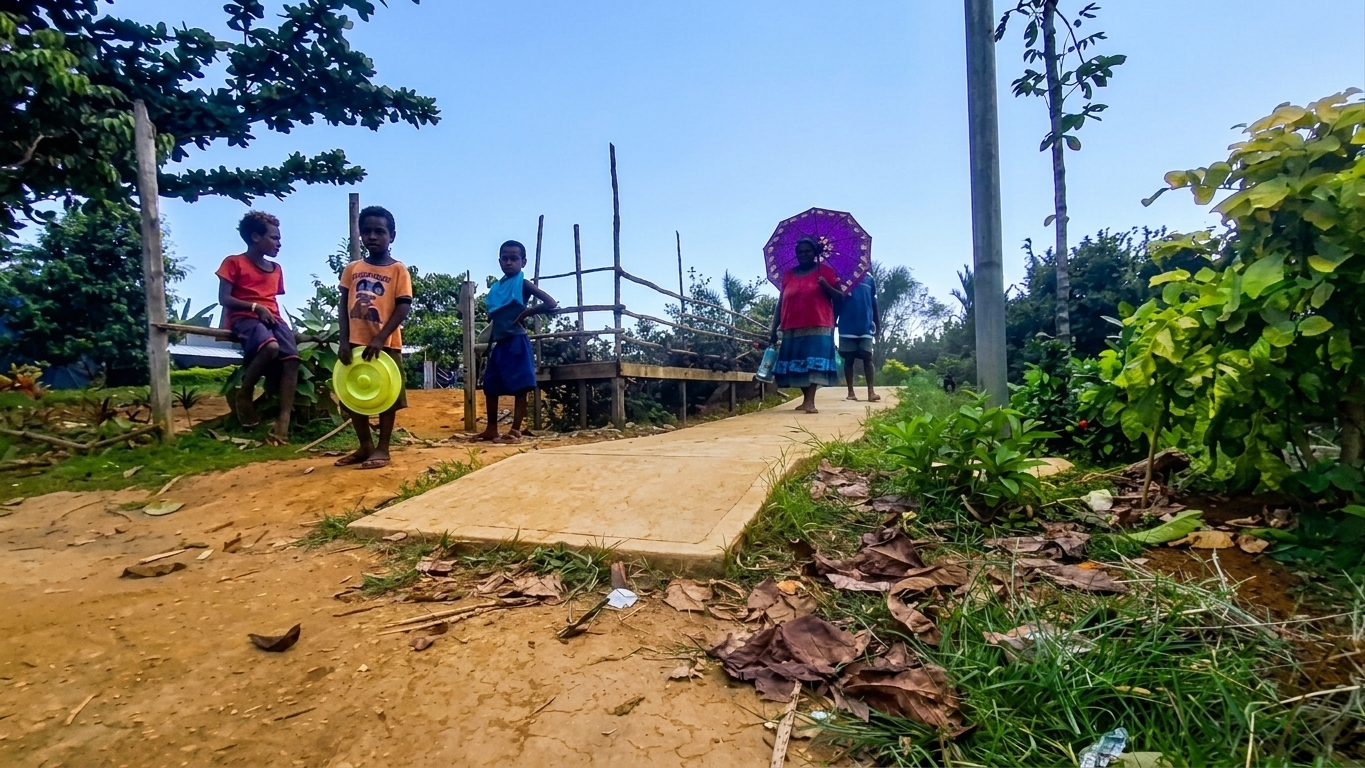
“Now that this footpath is completed, our kids too are excited to go to school each day,” she says.
For mothers, the change has also been practical. Shopping and other goods can now be pushed along the footpath in wheelbarrows rather than carried across the swamp.
“Even us the mothers living here too find it easy to move to and from town and then back to our homes,” Cynthia says.
The benefits have extended beyond those directly involved in building the footpath. Winston says residents who were not employed on the project still helped where they could, carrying materials, gravel and water and assisting workers because they knew the completed access would benefit everyone.
“We know that despite not being engaged with the project, we will also benefit from this development,” he says.
That wider community benefit is at the heart of the CAUSE II approach.
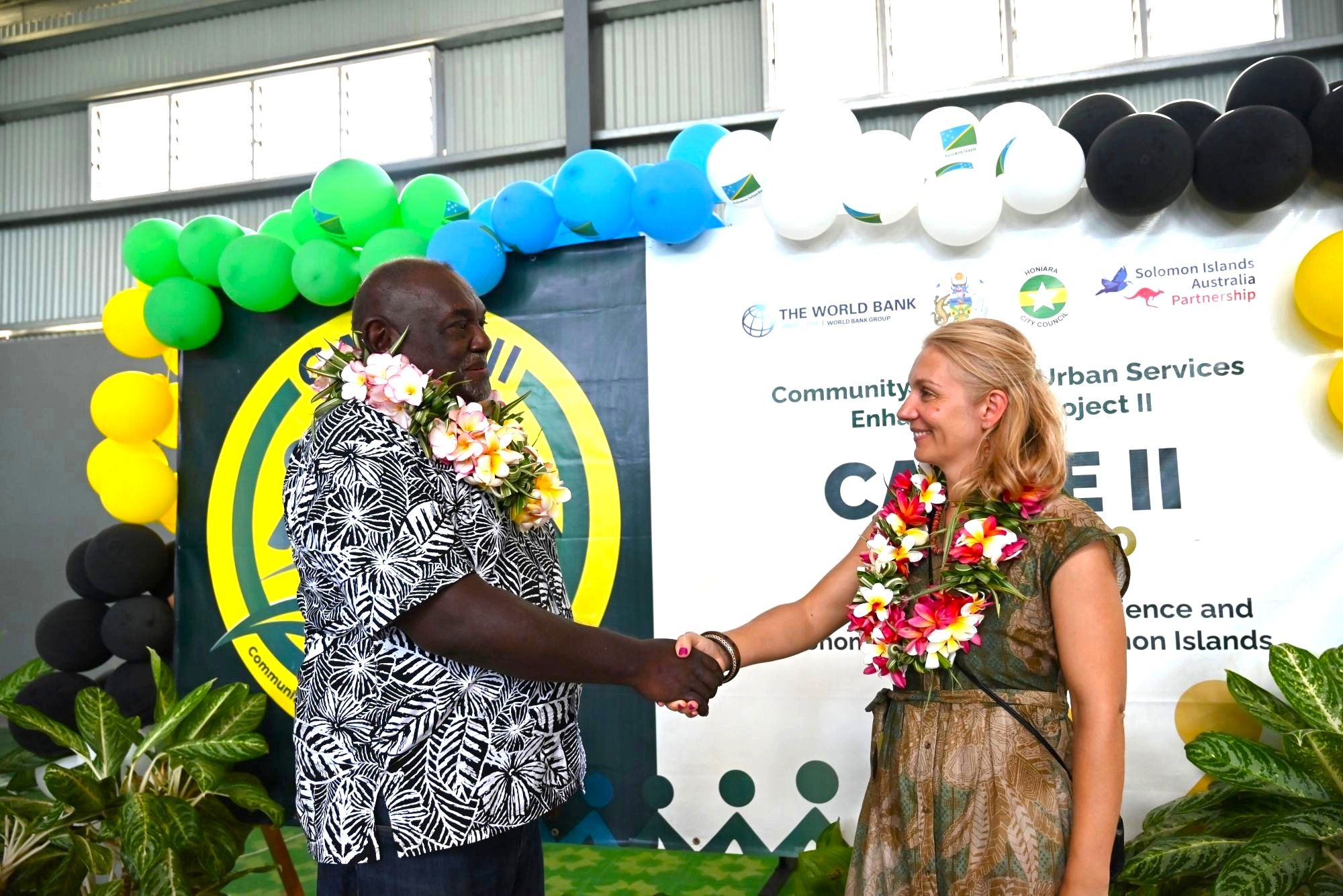
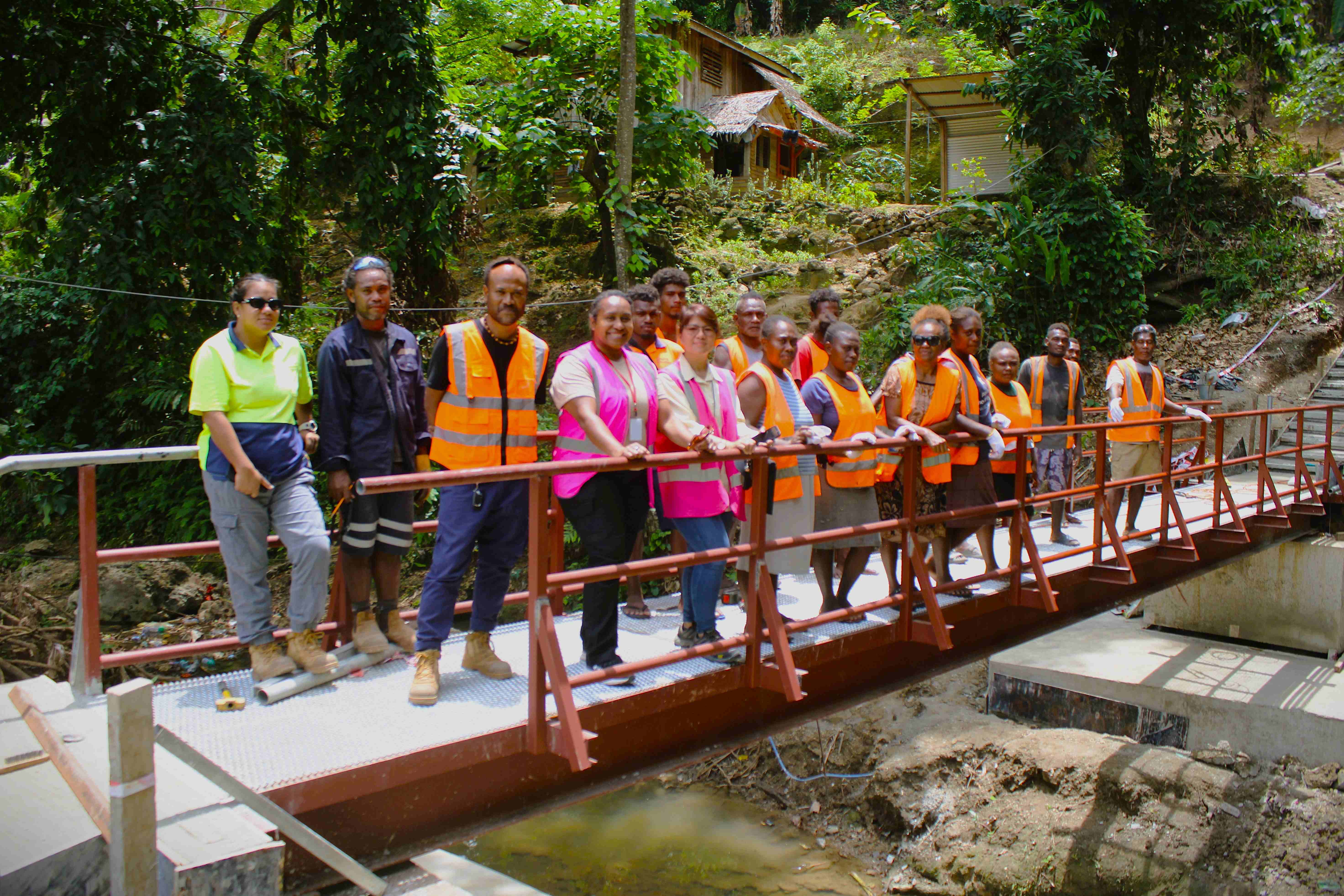
During the official handover of 10 completed CAUSE II community infrastructure sub-projects in Noro, World Bank Task Team Leader Ifeta Smajic highlighted how community infrastructure can create impacts that extend beyond the physical structures themselves.
“Community work is not only about the finished product,” Ms Smajic said. “It’s about people’s motivation, and their journeys to gain and acquire skills that service their communities.”
CAUSE II Project Manager Cris Afable similarly emphasised that the programme was designed to build infrastructure with communities, rather than simply for them – involving local people in the delivery and strengthening their capacity to look after the assets once construction is complete.
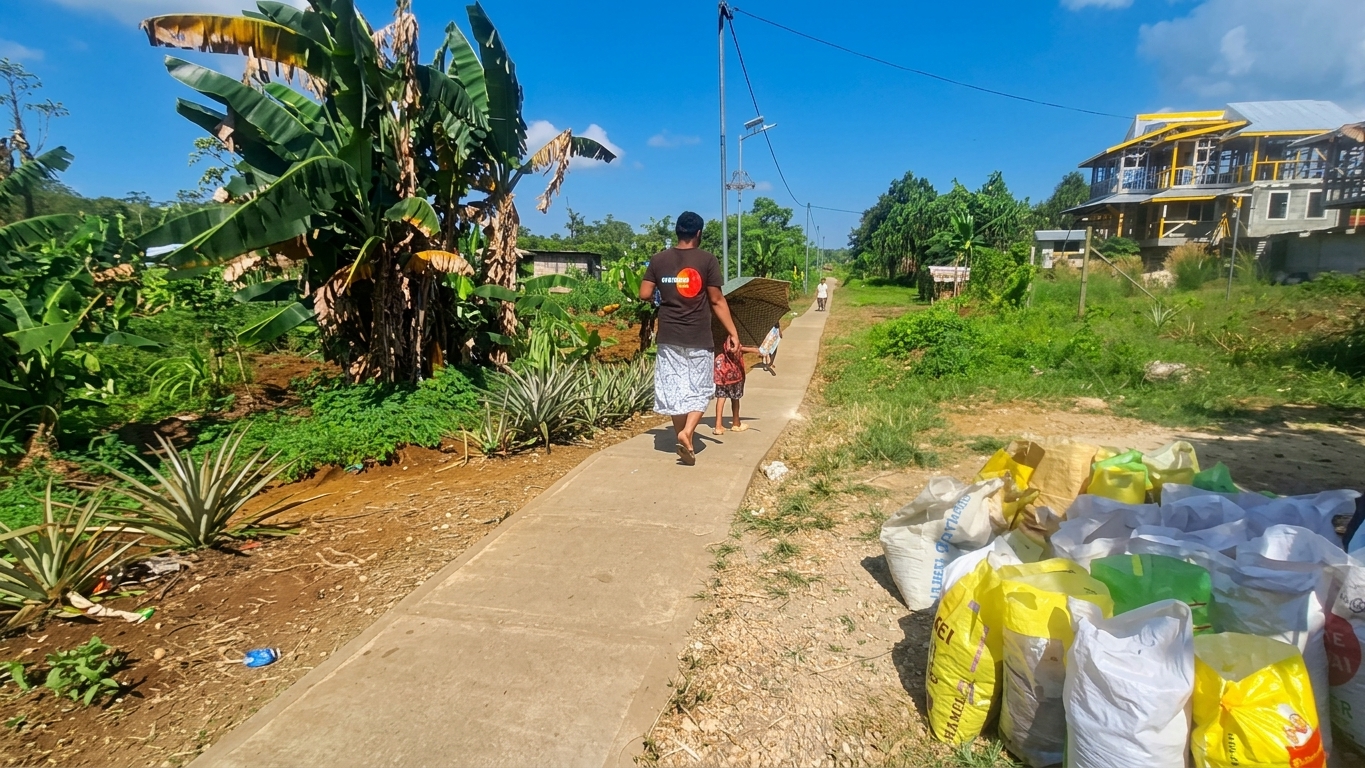
At Bari Land, the meaning of that investment is perhaps best understood by walking the full 600 metres.
At one end is the road where buses and taxis drop people and their cargo.
At the other is a community that is no longer isolated in the way it once was – where children can walk to school more easily, families can transport their goods, people can move more freely and a small table canteen has grown into a thriving local shop.
“This footpath is truly helping us very much,” Winston says.
For him, the change is simple.
“Our lives – my life, my family’s lives has changed for the better because of this footpath.”
And yet, the people living at the end of the footpath are already looking ahead.
Both Winston and Cynthia say the community still needs better lighting along the full 600 metres, particularly to help women travelling to and from the market in the early morning and evening.
For Winston, however, the footpath has already marked a remarkable change in a community that was once little more than bush at the back of Noro.
“Our kids will grow up knowing they have very good access to and from our community.”
Six hundred metres may be the length of the footpath.
But for the people who live at the end of it, the distance it has travelled is much greater – from mud and isolation to access, opportunity, business and a community continuing to grow.
Implemented by the Solomon Islands Government, the CAUSE II Project is supported by the World Bank and the Australian Government through the PNG and Pacific Islands Umbrella Facility Multi-Donor Trust Fund.
Ends///
Gallery