CAUSE II Investment Strengthens MID’s Construction Materials Testing Capacity
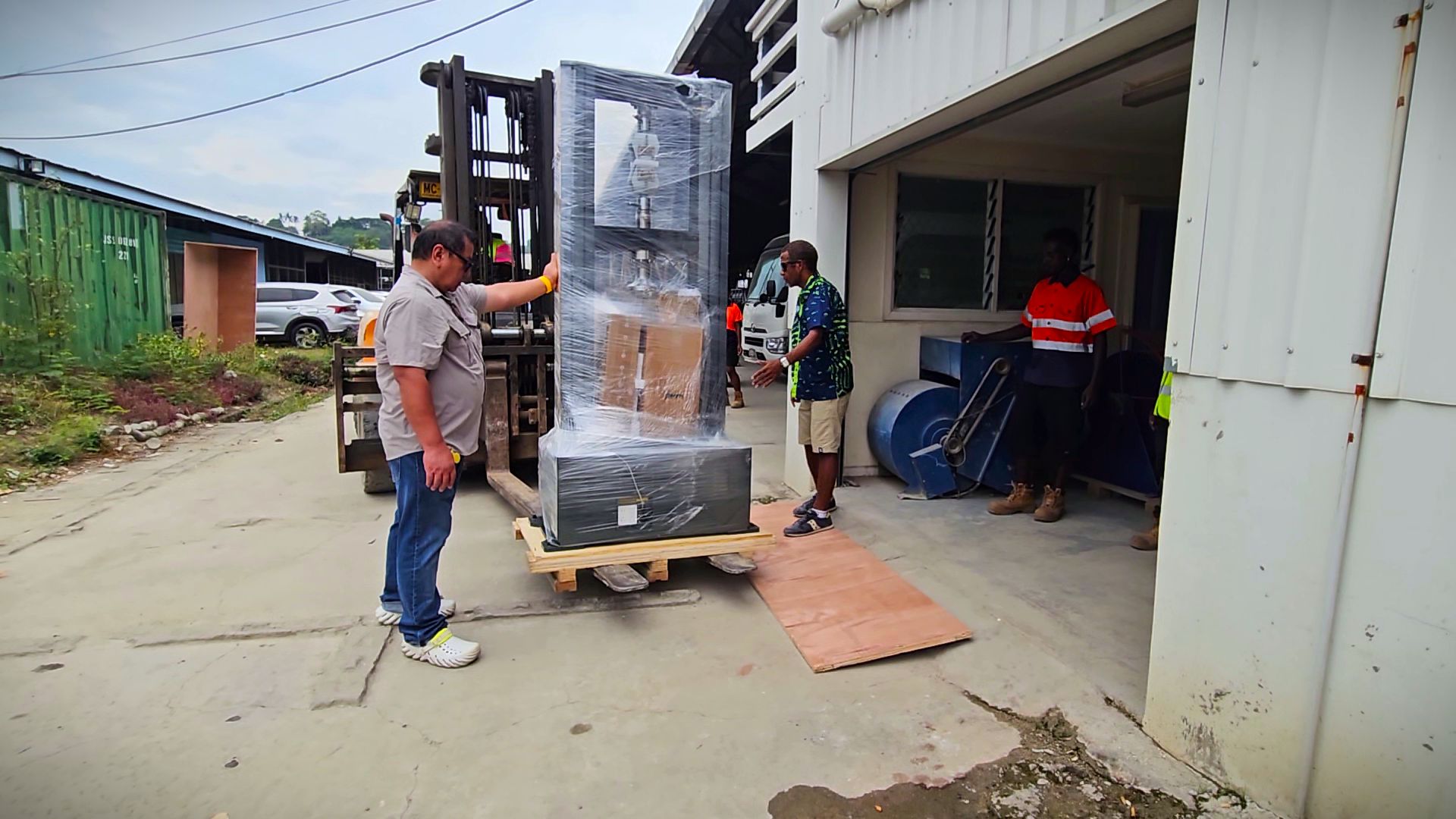
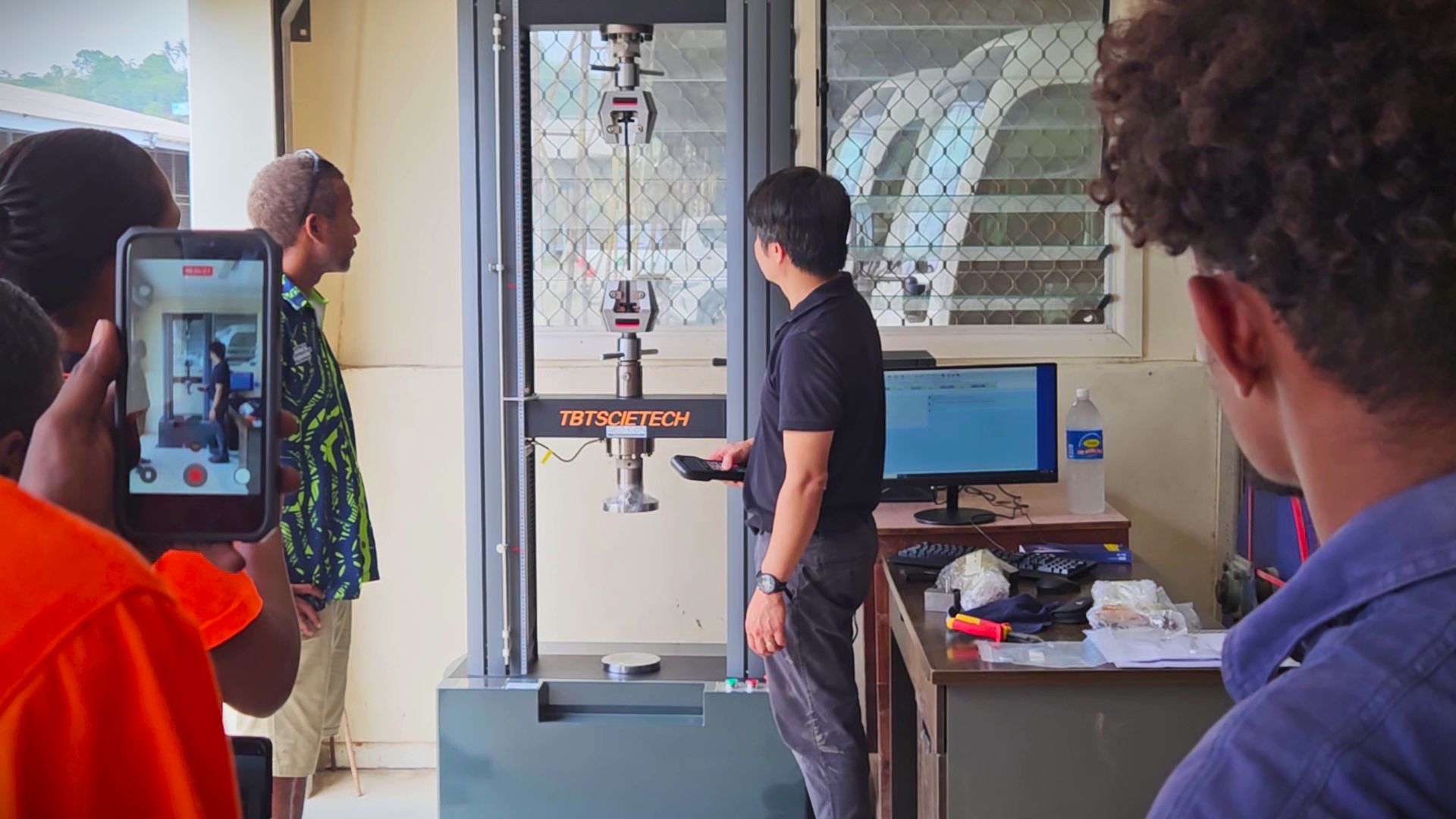
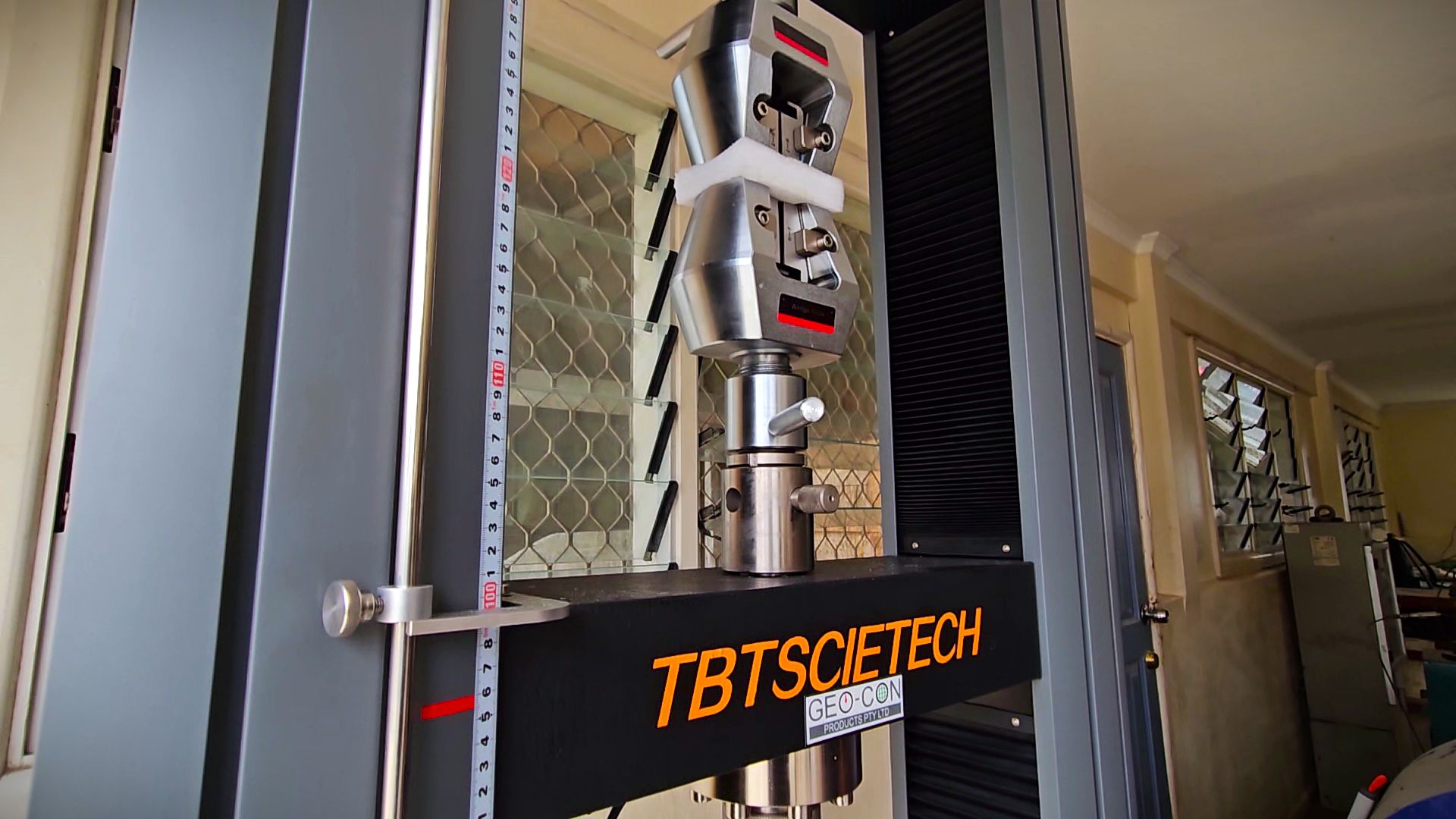
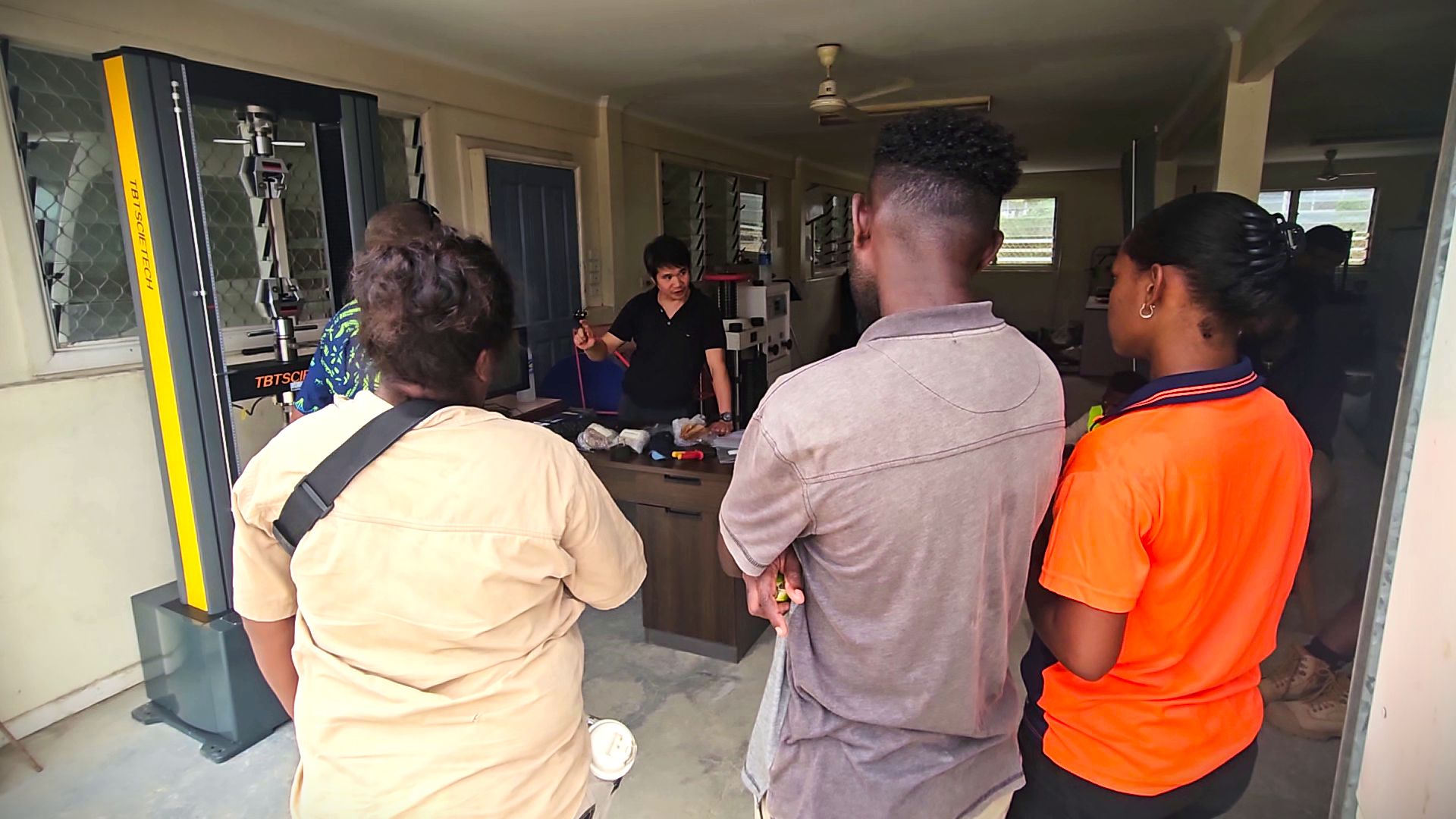
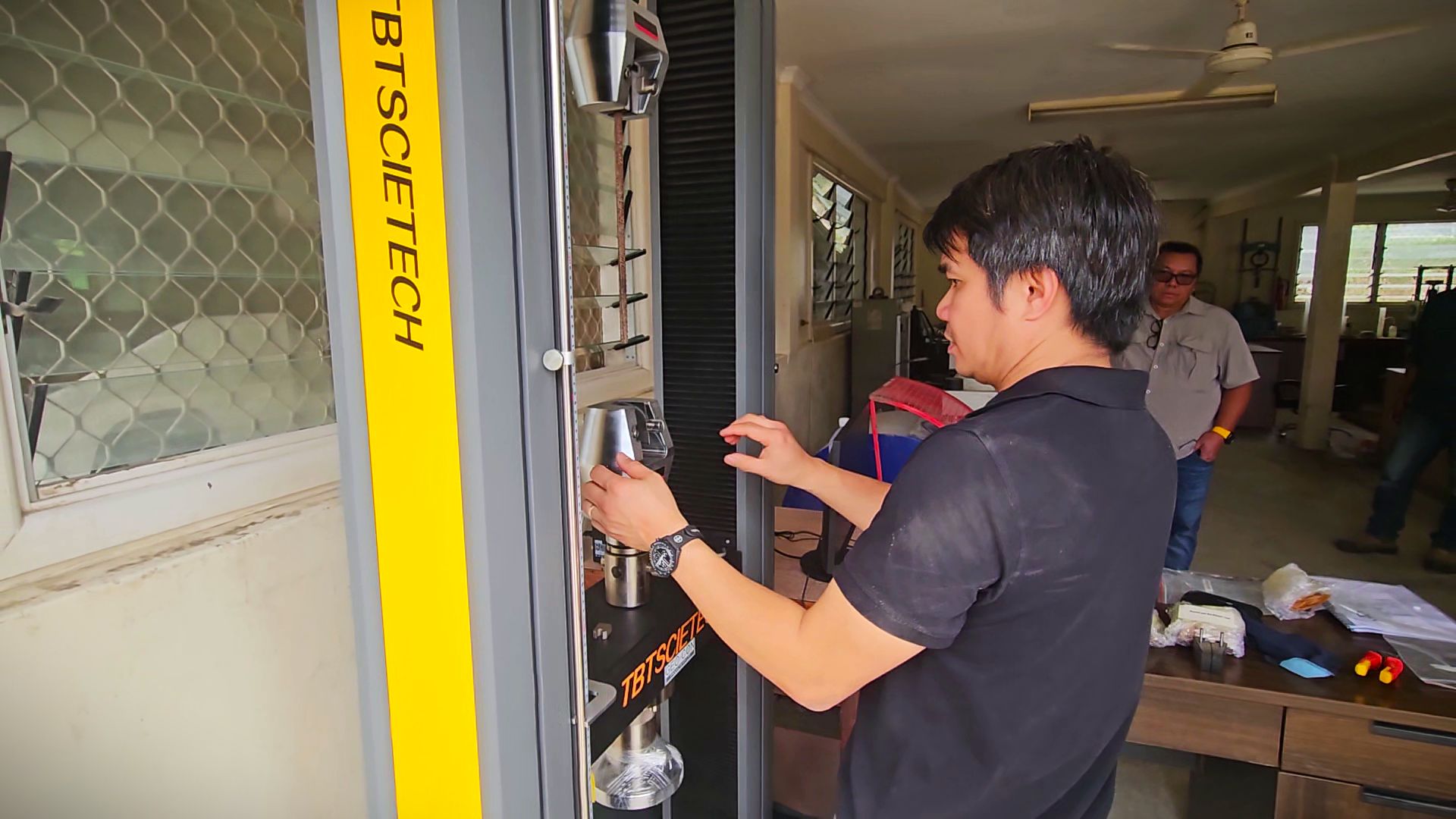
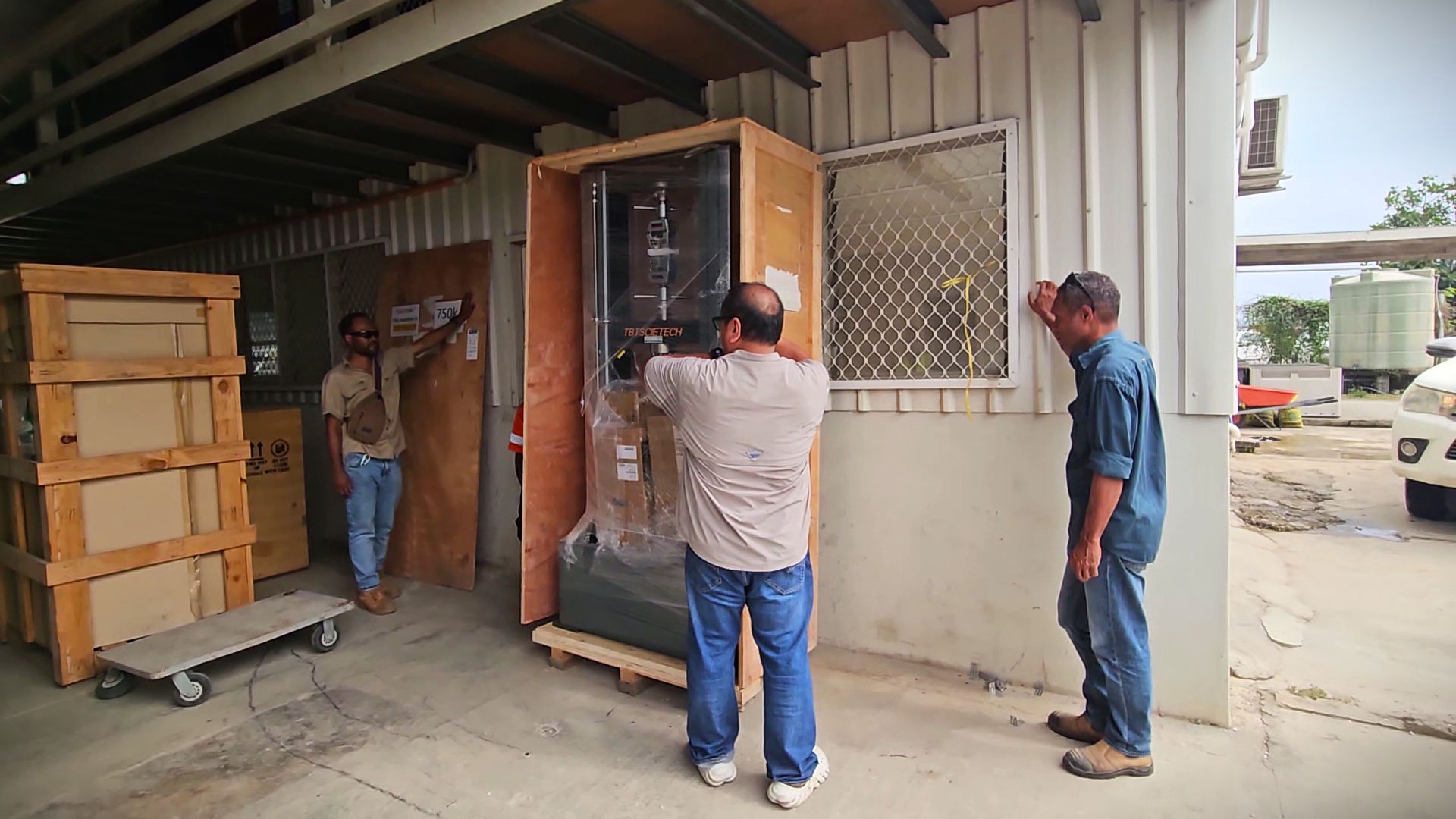
THE Community Access and Urban Services Enhancement Project Phase II (CAUSE II) has strengthened the Ministry of Infrastructure Development's (MID) ability to verify the quality of construction materials with the commissioning of Solomon Islands' first Universal Testing Machine (UTM), a major investment that will enhance quality assurance for public infrastructure across the country.
Commissioned through the partnership between CAUSE II and MID, the specialised laboratory equipment significantly expands the Ministry's Construction Materials Laboratory by enabling engineers and laboratory technicians to carry out both compressive and tensile testing on key construction materials. The new capability will support stronger engineering oversight, improve compliance with construction standards, and help ensure infrastructure investments are built to last.
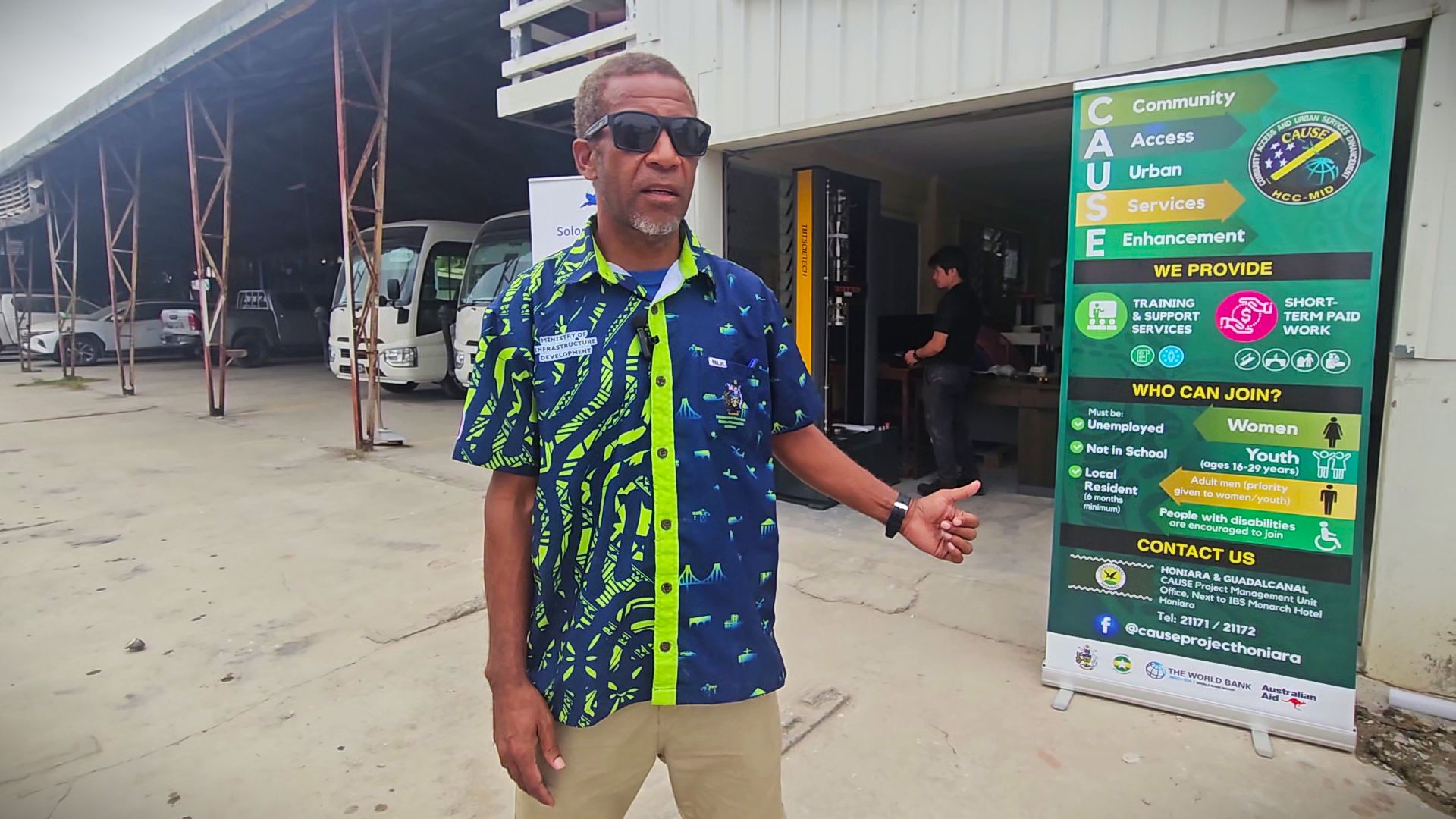
According to MID's Transport Infrastructure Management Services Director, Mr Ishmael Alulu, the investment marks an important milestone for the Ministry's laboratory and the wider construction sector.
"This is one of our newest equipment in the Construction Materials Laboratory. The Universal Testing Machine allows us to carry out both compressive and tensile testing. Tensile testing will be used to test materials such as steel and timber, while compressive testing enables us to assess the strength of other construction materials."
Mr Alulu said the equipment would significantly strengthen MID's role in monitoring the quality of materials used in construction projects throughout Solomon Islands.
"This is a very big investment for the Construction Materials Laboratory here at MID. As far as the control of construction materials is concerned, this machine will greatly improve our work. We can now test timber and steel, brought into the country for use in construction, giving our supervisors and technical officers the information they need when inspecting projects and verifying the materials being used."
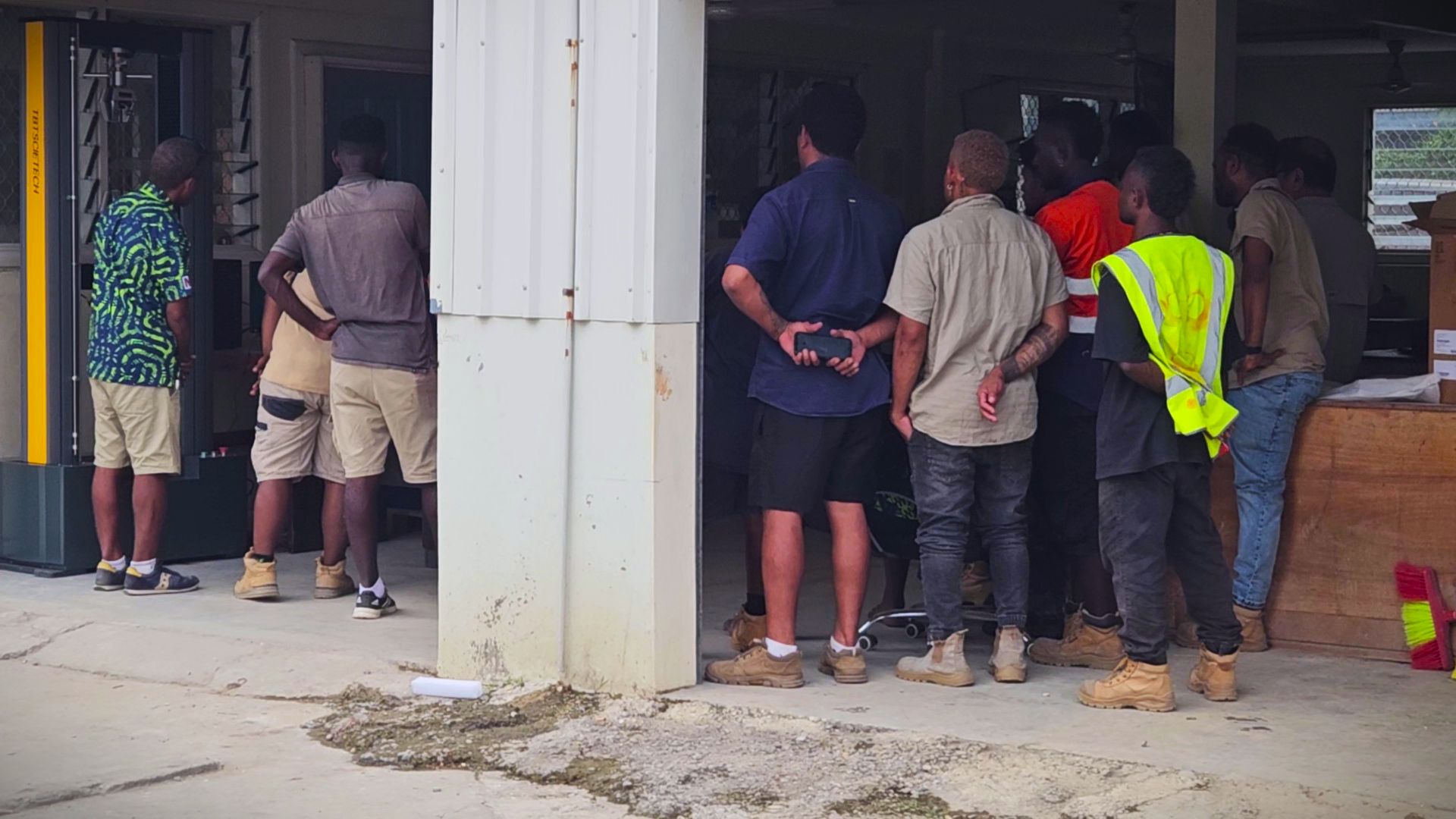
He said that following a two-day hands-on training with a technical specialist from Australia, the MID’s laboratory personnel are now fully equipped to operate and maintain the new system.
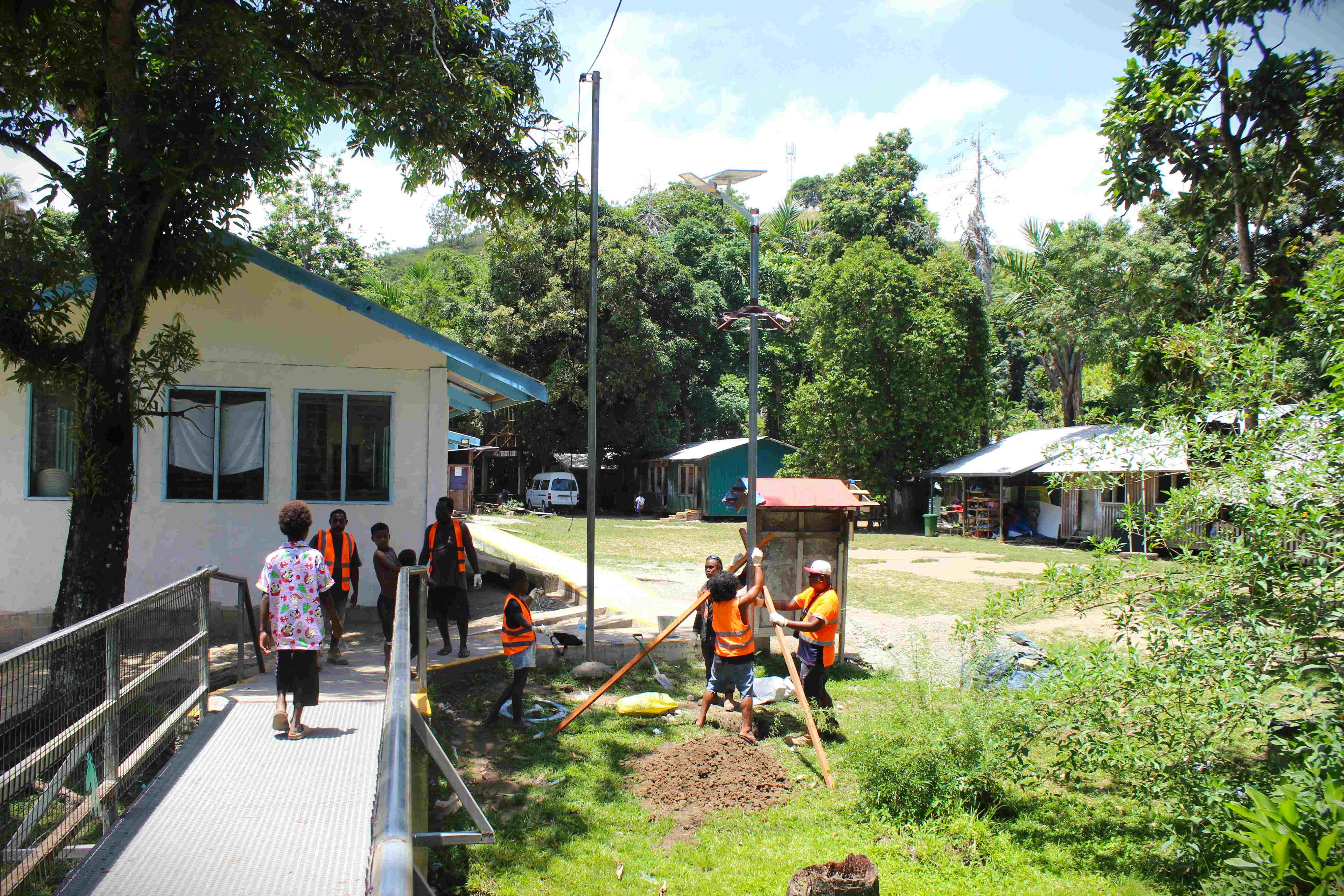
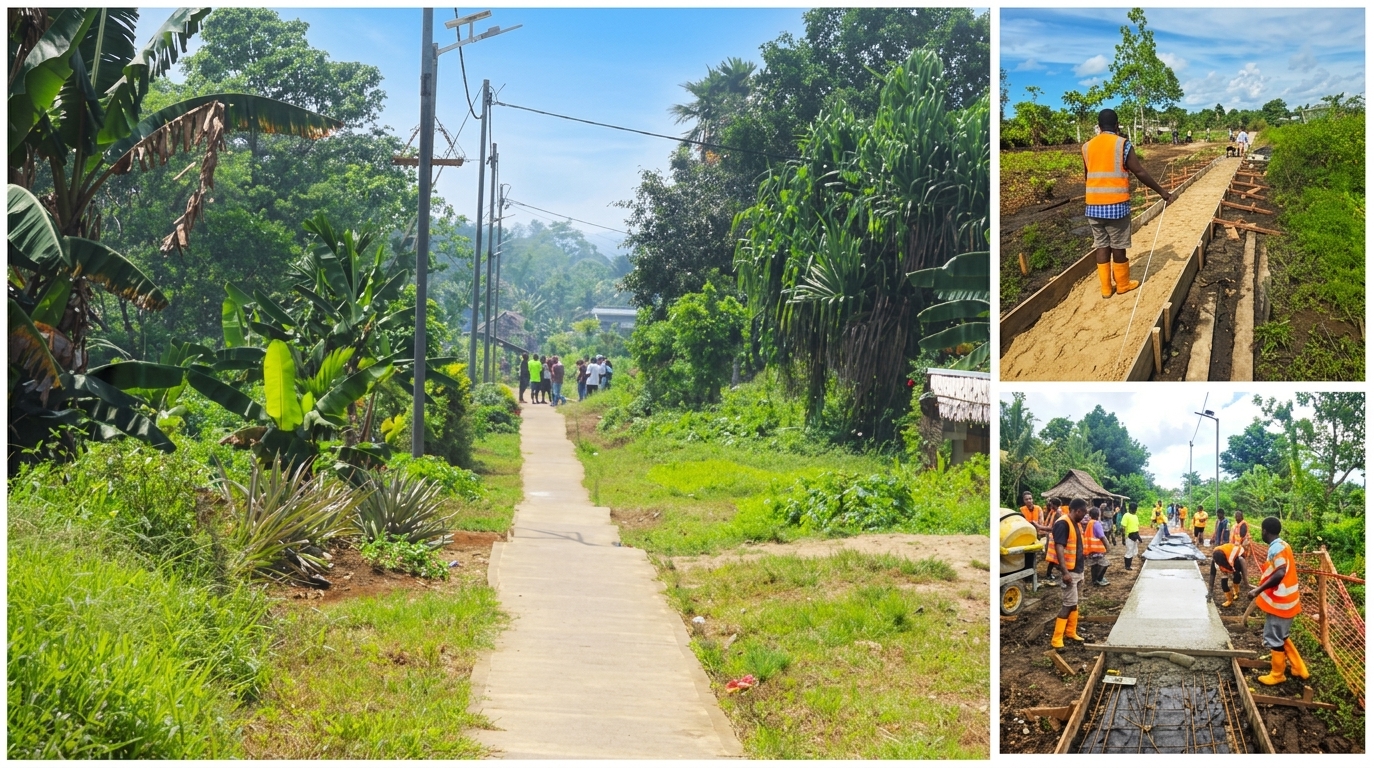
The Universal Testing Machine represents another important investment under CAUSE II's ongoing support to strengthen infrastructure delivery in Solomon Islands. While the project is widely recognised for improving community infrastructure through labour-based construction of footpaths, Jacob's ladders, drainage systems and other public assets, it also invests in building the technical capacity of government institutions responsible for delivering and maintaining quality infrastructure.
The new testing equipment complements the bitumen laboratory equipment previously delivered through CAUSE II, enabling MID to undertake a broader range of quality-control testing for roads, bridges, buildings, drainage systems and other public infrastructure projects. Together, these investments are helping strengthen the Ministry's ability to independently verify construction materials against recognised engineering specifications and the Solomon Islands National Building Code.
Mr Alulu acknowledged the partnership that made the investment possible.
"I would like to thank the CAUSE II Project, the Australian Government through DFAT for funding this equipment and for their continued support, and MID staff who worked together with the project to ensure this important equipment was successfully procured and installed.”
Mr Alulu meanwhile encouraged members of the construction industry to make use of the Ministry's enhanced laboratory services.
"It is important that the construction industry knows this equipment is now available here at MID."
The commissioning of the Universal Testing Machine reflects CAUSE II's broader commitment to strengthening both community infrastructure and the institutions that support it. By investing in modern equipment, technical training and long-term institutional capacity, the project is helping ensure that infrastructure delivered across Solomon Islands is safer, more resilient and built to higher quality standards for the benefit of all Solomon Islanders.
Ends///
Gallery