CAUSE II Workshop Advances Governance and Data-Sharing Arrangements for ILIS
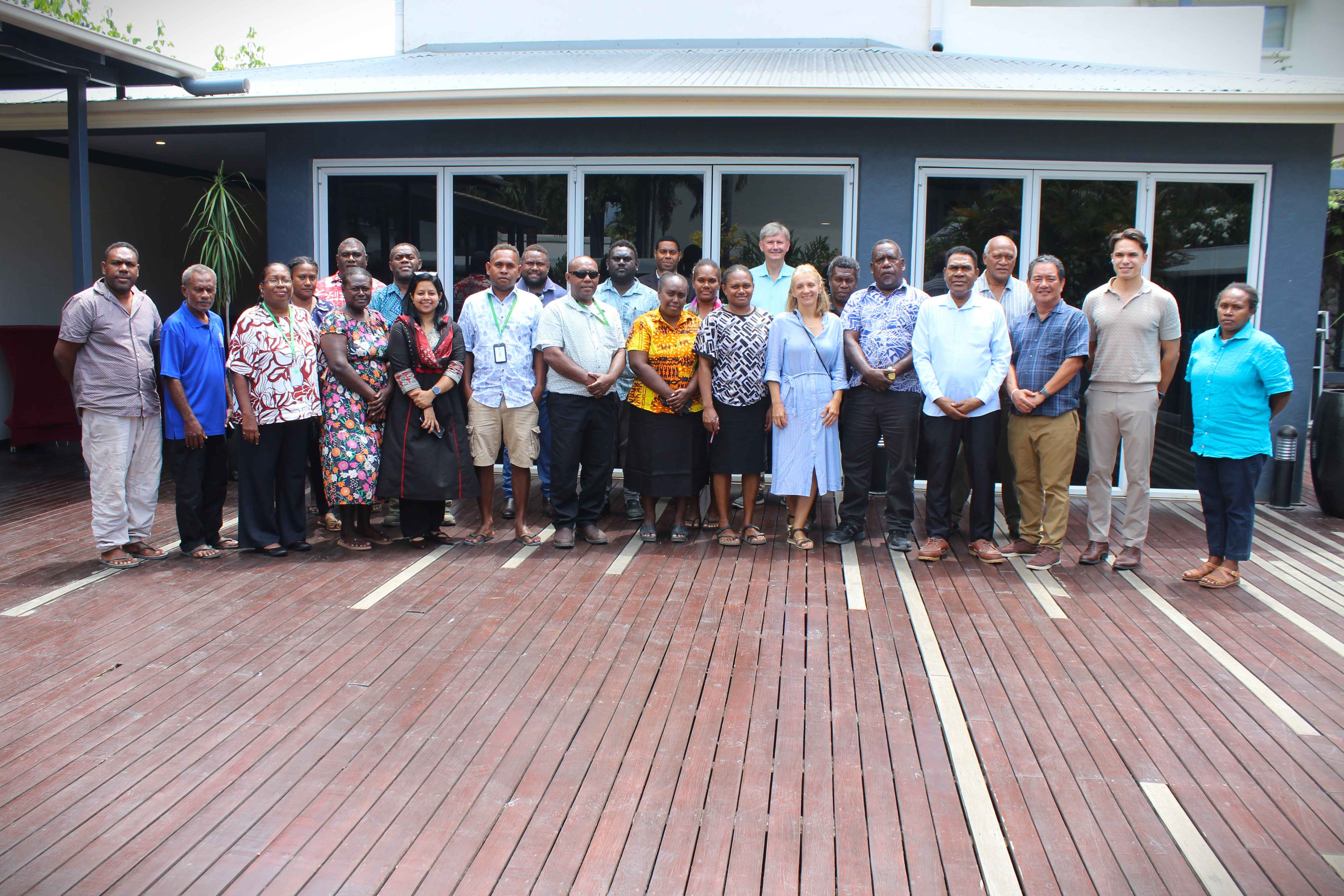
HONIARA, Solomon Islands – KEY Government institutions have taken further steps towards strengthening the governance, institutional arrangements and data-sharing framework required for implementation of the Integrated Land Information System (ILIS) under the CAUSE II Project (Community Access and Urban Services Enhancement II).
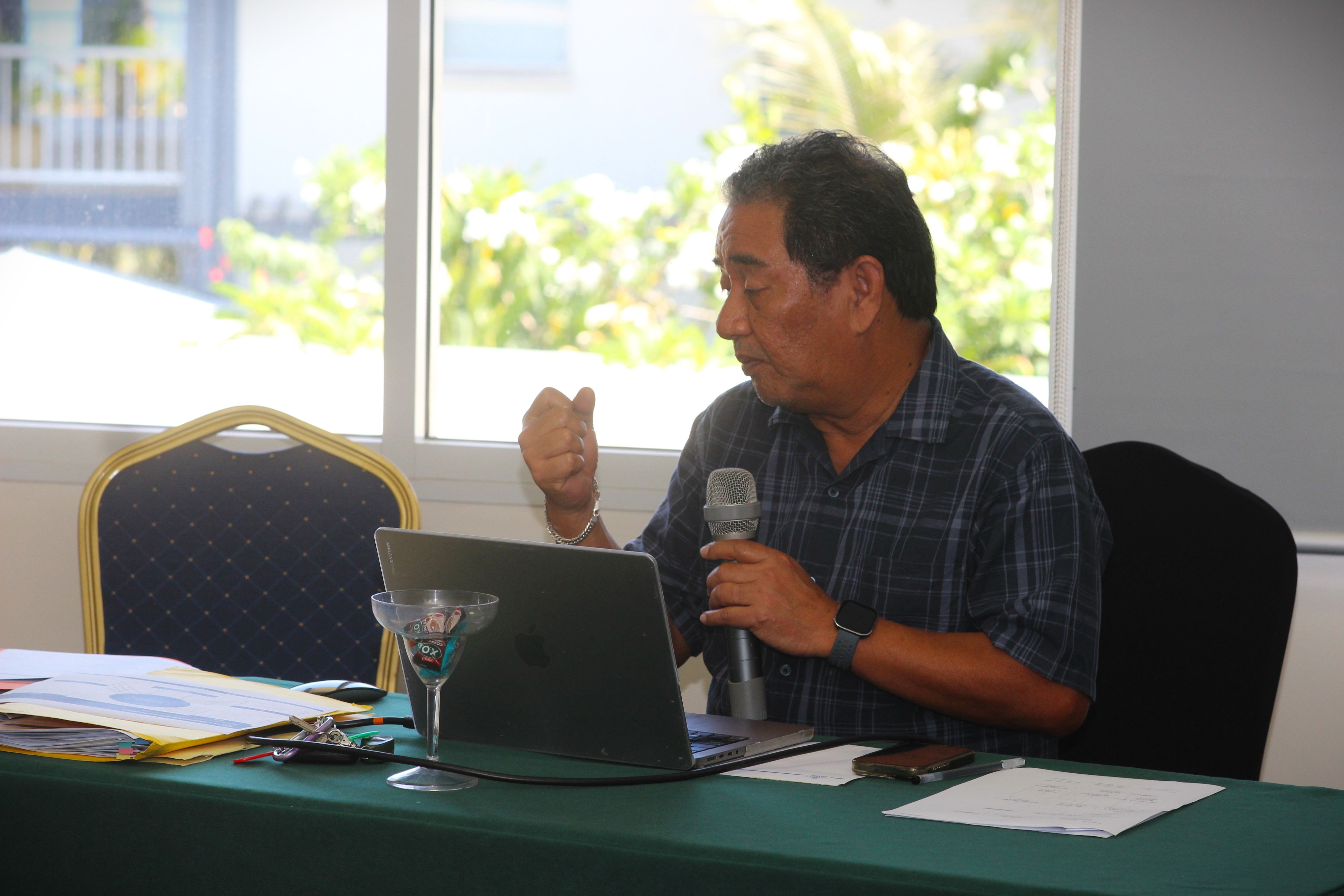
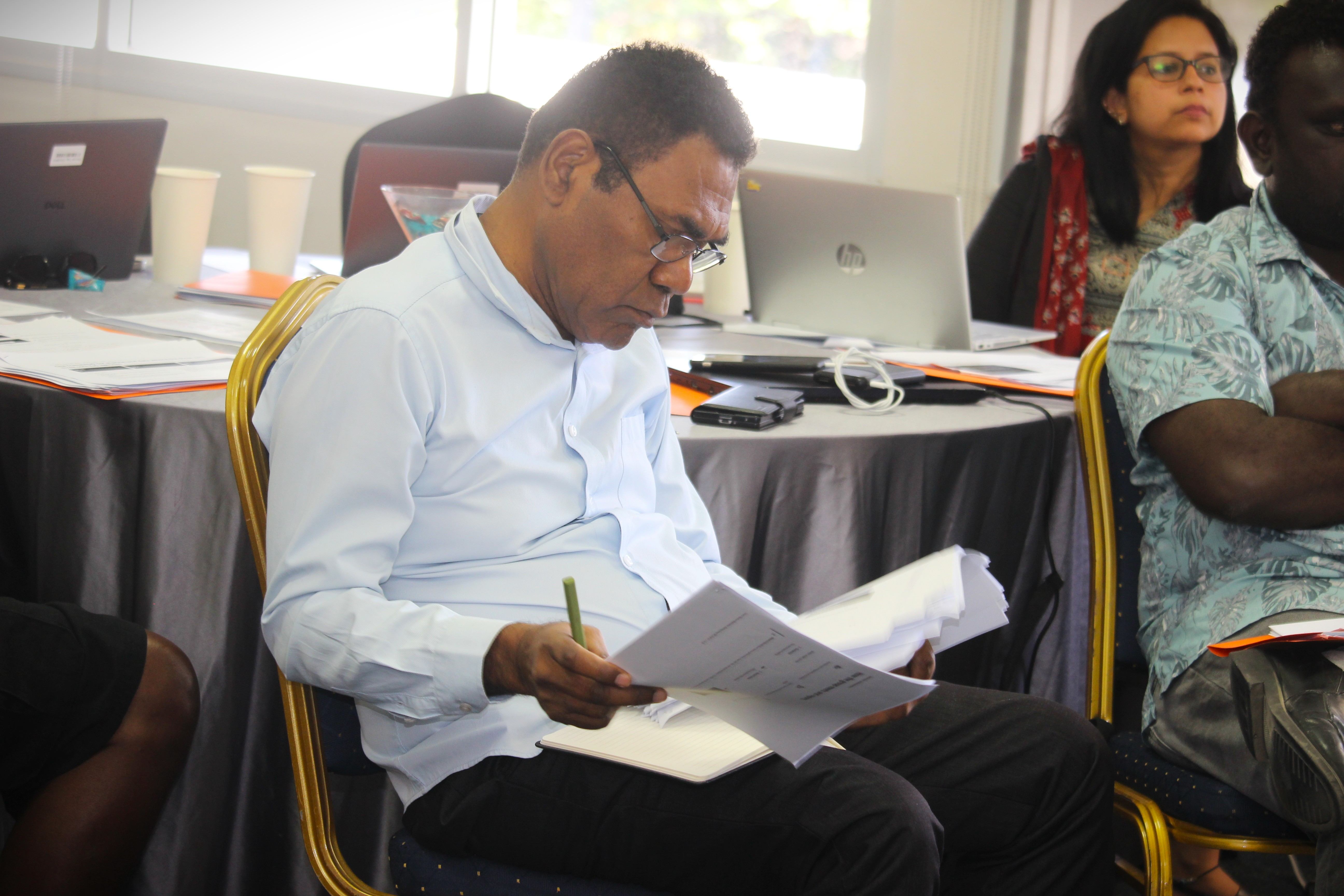
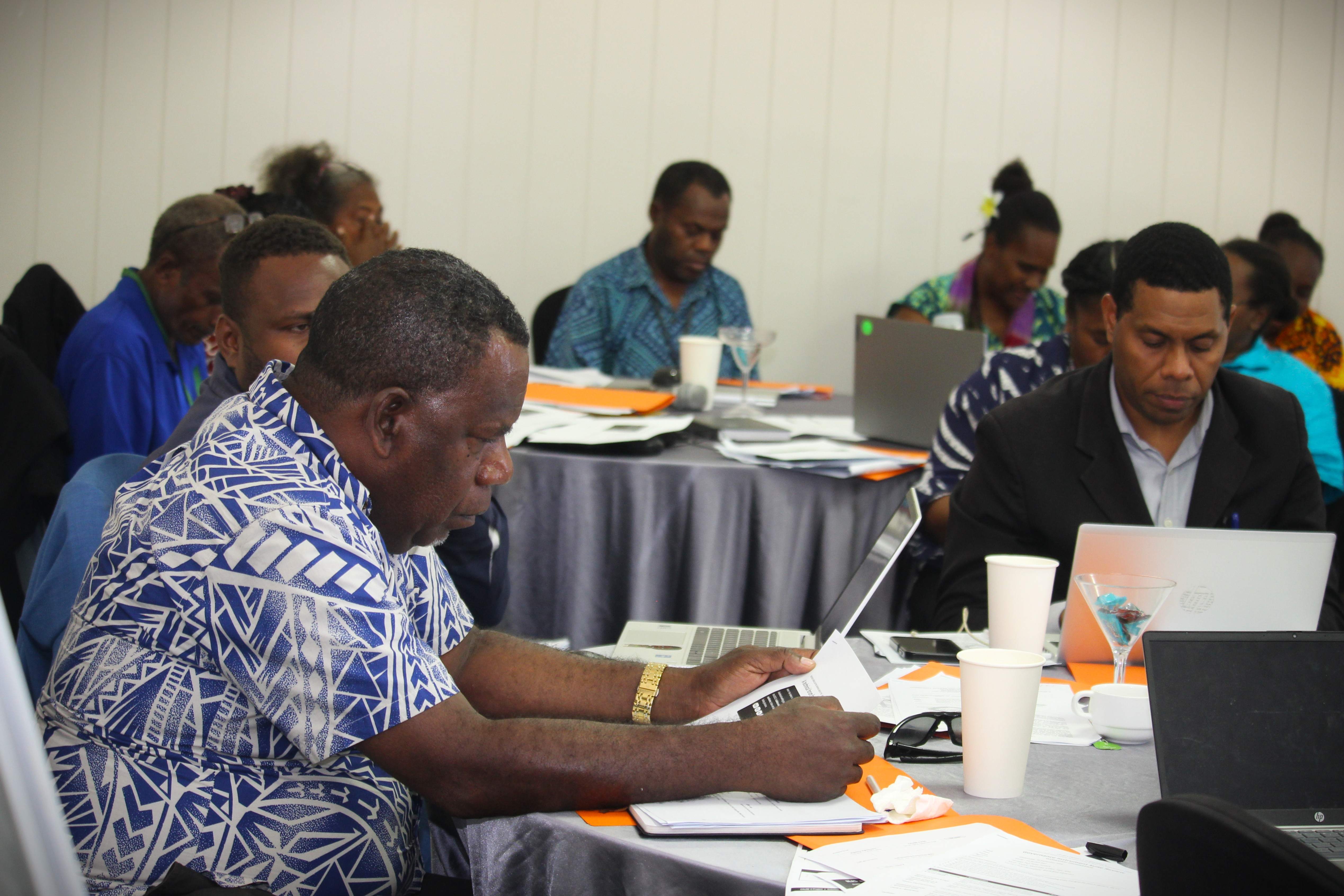
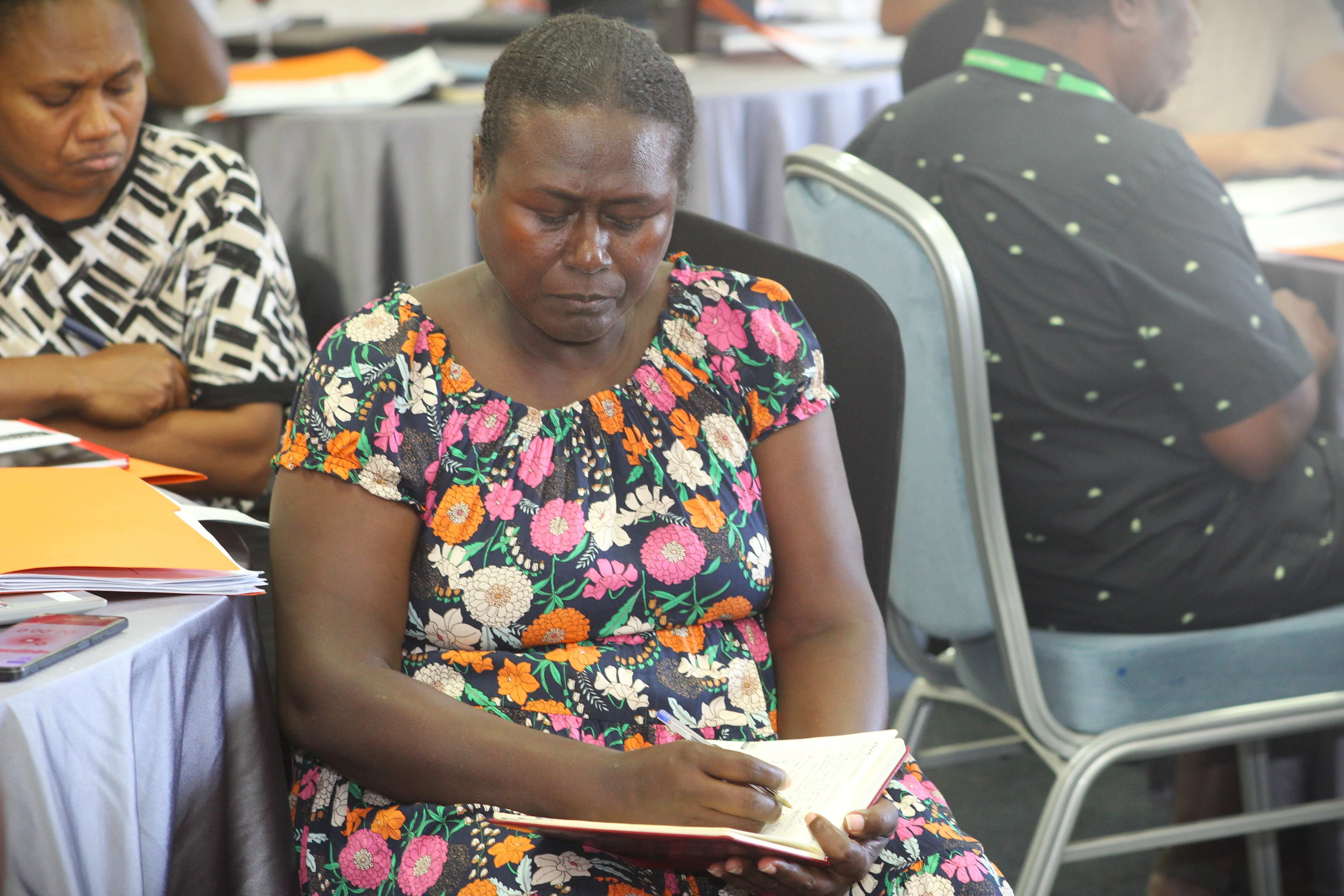
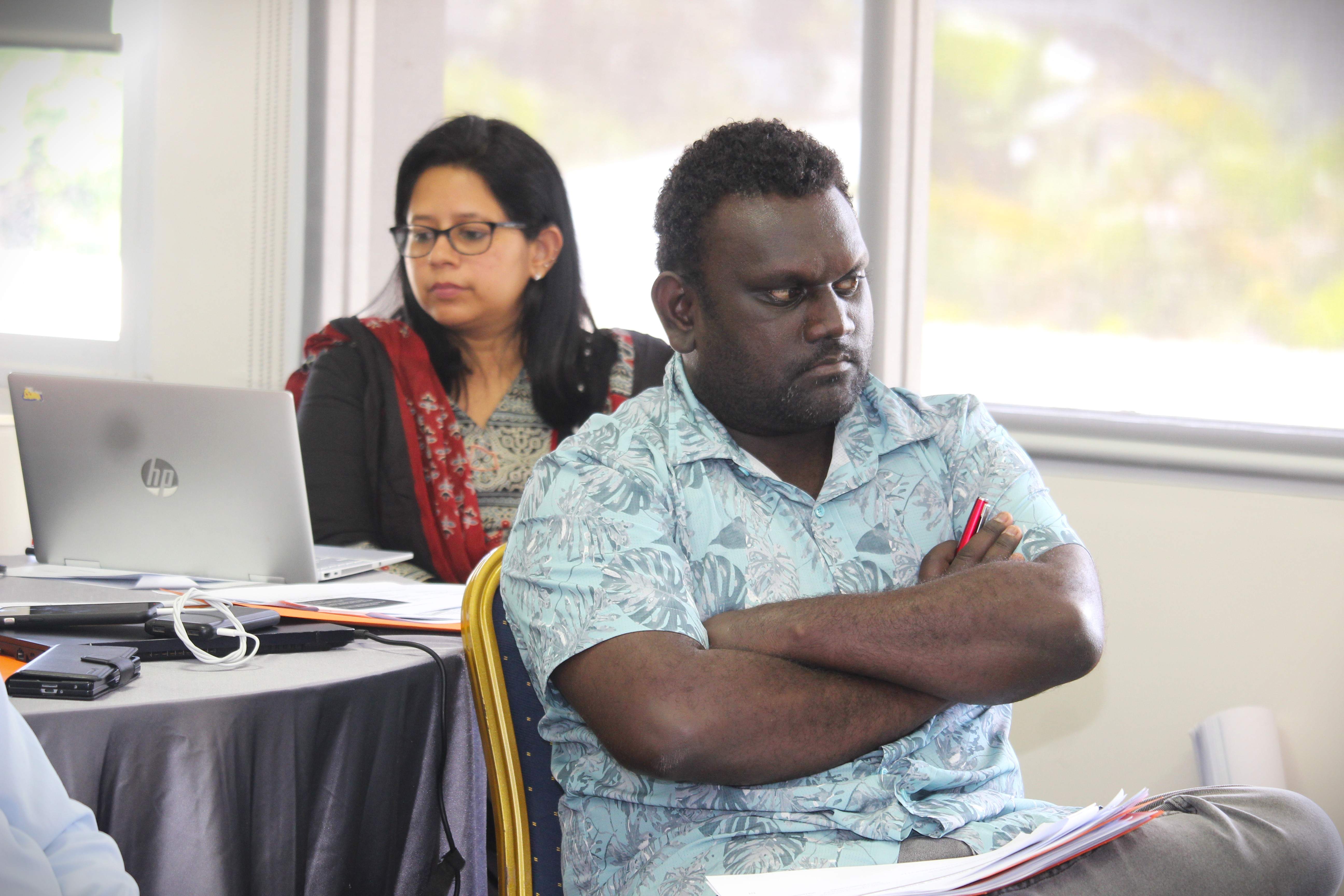
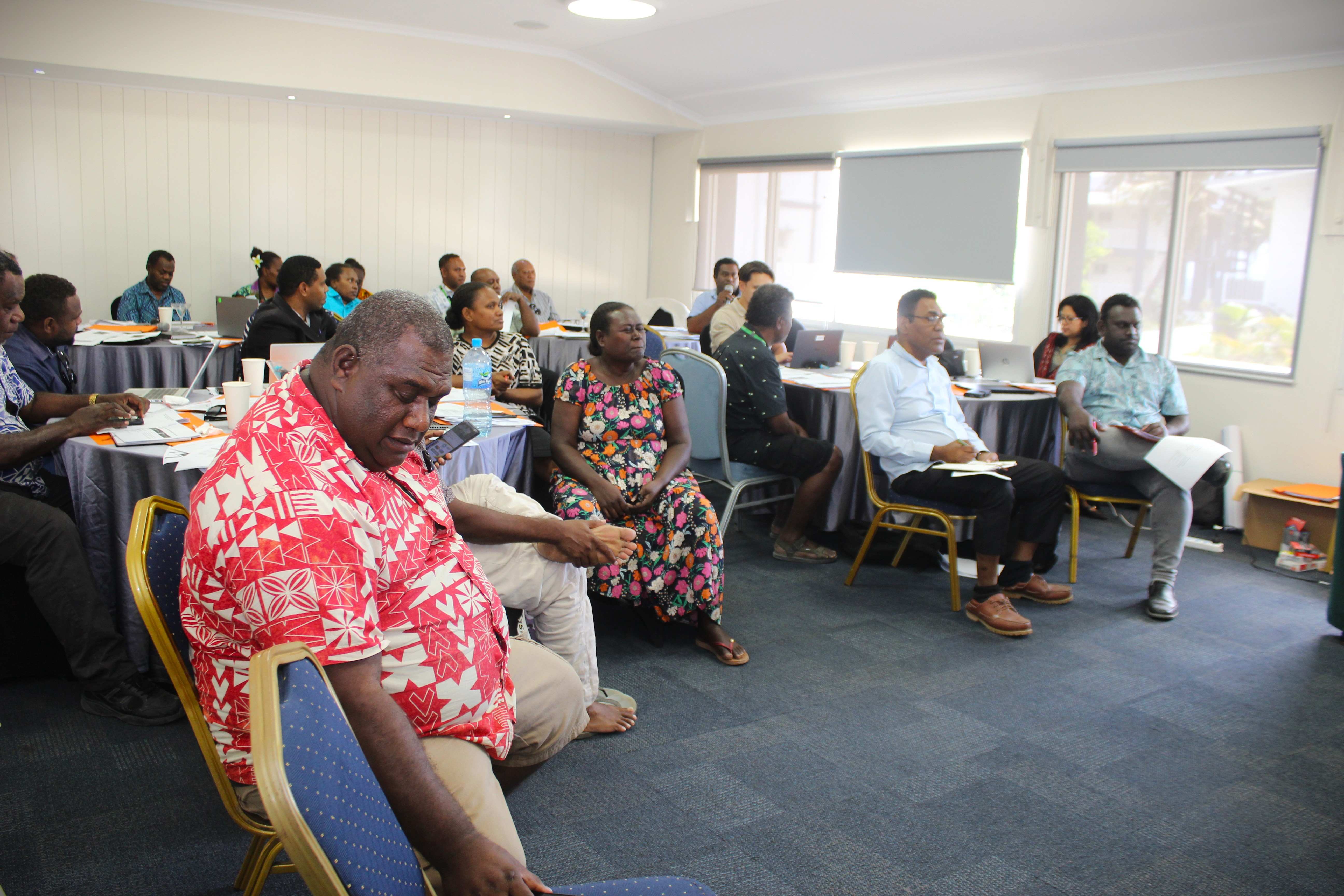
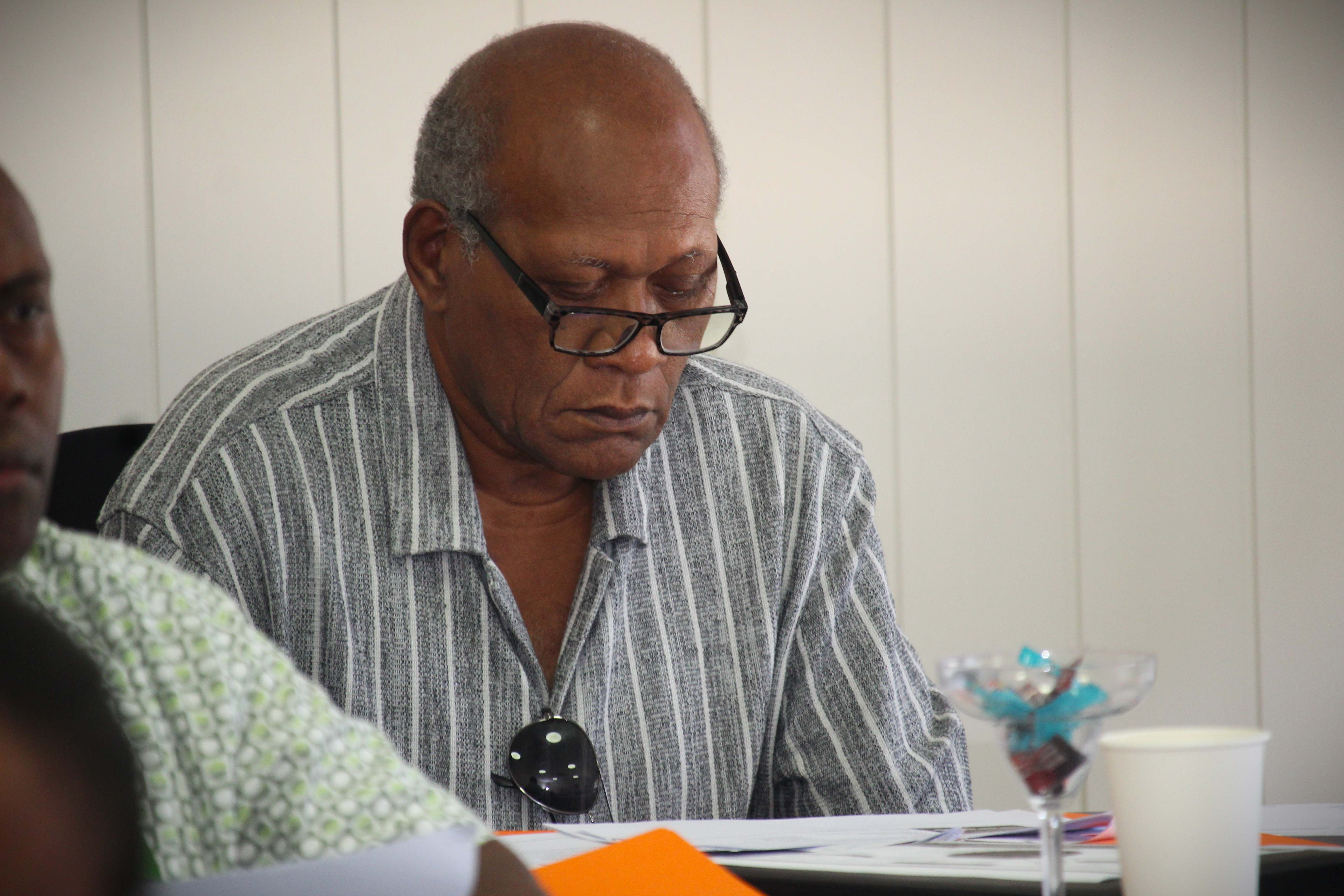
Representatives from the Ministry of Lands, Housing and Survey (MLHS), Ministry of Justice and Legal Affairs (MJLA), Honiara City Council (HCC), Guadalcanal Provincial Government (GPG), ICT Services and Ministry of Finance and Treasury (MoFT) met on 30 September for a workshop focused on ILIS governance, institutional arrangements, data sharing and system implementation.
A major focus of the discussions was the proposed establishment of an ILIS Steering Committee as the principal inter-agency governance body. Participants discussed the need for clearly defined responsibilities, decision-making authority, institutional representation and delegation arrangements, including the proposed inclusion of MJLA as a core member of the Steering Committee.
The workshop also highlighted the importance of effective data sharing and integration across participating government agencies. Discussions focused on access to reliable land title, ownership, survey, valuation and planning information, while recognising the need for agreed data fields, data standards, access privileges, responsibilities for updating records and appropriate data-security arrangements. Participants proposed that a single data-sharing MoU be developed between MLHS, MJLA, HCC and GPG.
ICT Services' role in supporting ILIS implementation was also discussed, including government data-centre infrastructure, hosting and testing environments, network connectivity, technical support, system integration and interoperability, including integration with the SIG e-Payment Gateway. The meeting further identified the need for an appropriate Service Level Agreement to clearly define ICT infrastructure and technical support responsibilities.
The discussions also considered the institutional capacity required to support ILIS implementation. MLHS highlighted the need to strengthen its capacity to manage the volume and complexity of information required, while participants discussed possible additional technical and data-management personnel, a small pilot implementation team, document scanning and digitisation support, and technical assistance from ICT Services and the Land Administration Expert.
Participants further examined existing institutional procedures and systems, including the transition from existing systems such as SORTS, as well as issues concerning discrepancies between land title and survey information, planning approvals, valuation and property-rating information, and customer contact information.
The workshop concluded with a series of follow-up actions, including finalising the institutional and data-sharing MoU, confirming agency coordinators and data stewards, establishing agreed data standards and access arrangements, clarifying ICT responsibilities, preparing an ILIS Annual Work Plan, and submitting the proposed MoU to the Attorney-General's Chambers for verification and review.
The discussions represent an important step in establishing the institutional and technical foundations needed for coordinated implementation of ILIS and improved management and sharing of land information across participating government institutions.
Implemented by the Solomon Islands Government, the CAUSE II Project is supported by the World Bank and the Australian Government through the PNG and Pacific Islands Umbrella Facility Multi-Donor Trust Fund.
Ends///
Gallery