“If It Weren’t for CAUSE, I wouldn’t Have Found a Job”
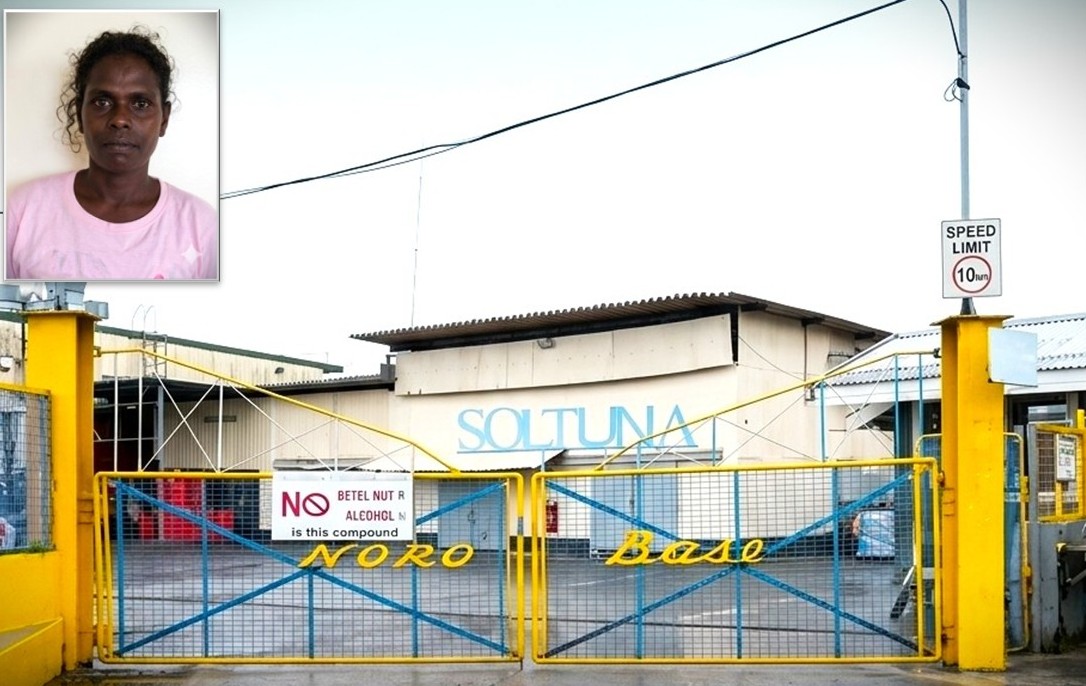
For Vani Butoliso, a community work opportunity in Noro became a pathway to skills, employment and a new role as the main breadwinner for her family.
Noro, Western Province, Solomon Islands — When Mrs Vani Butoliso first came to Noro, she was looking for an opportunity to support her family. Finding work, however, proved difficult.
Her story changed when she enrolled in CAUSE II’s Redi4Waka training in August 2025.
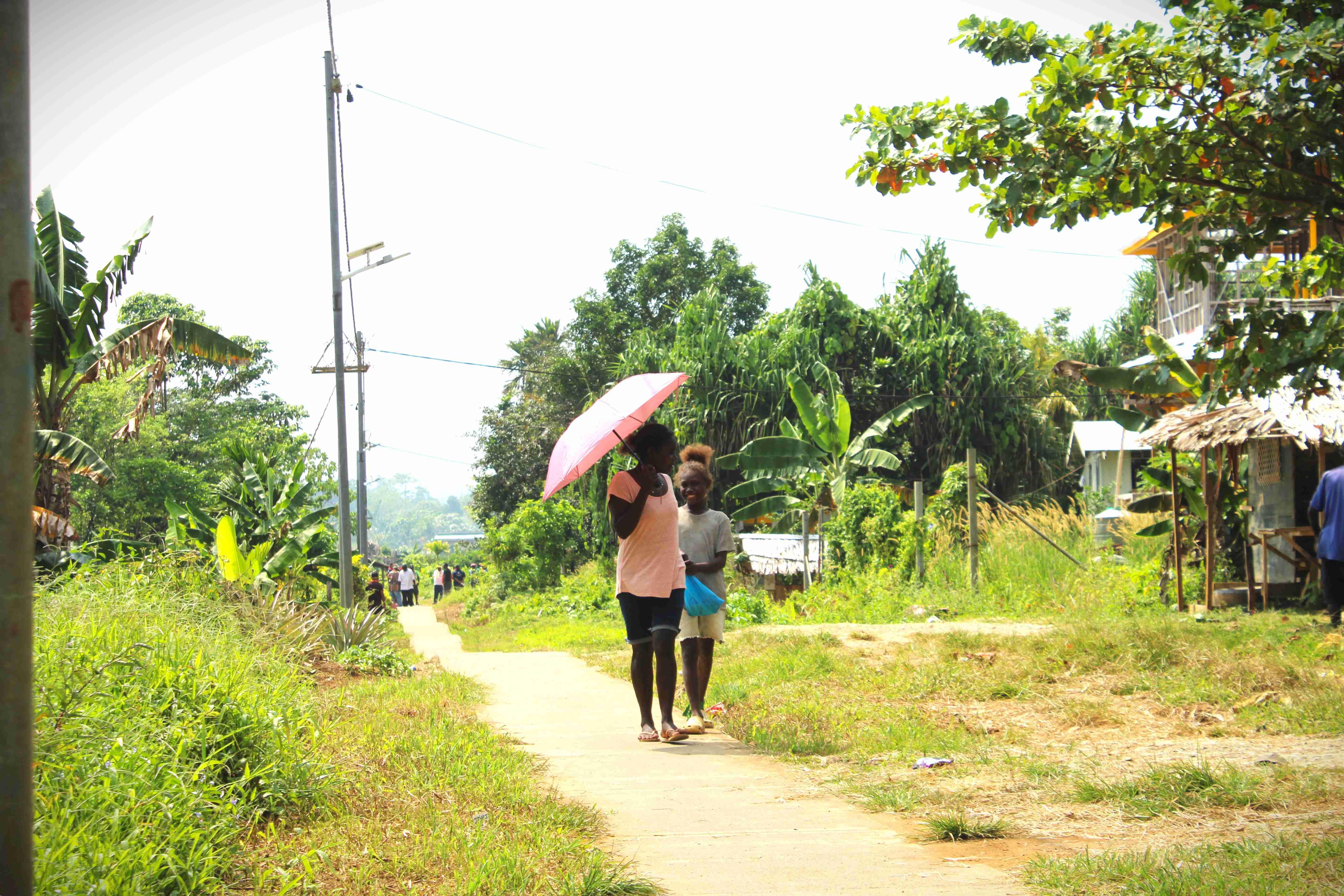
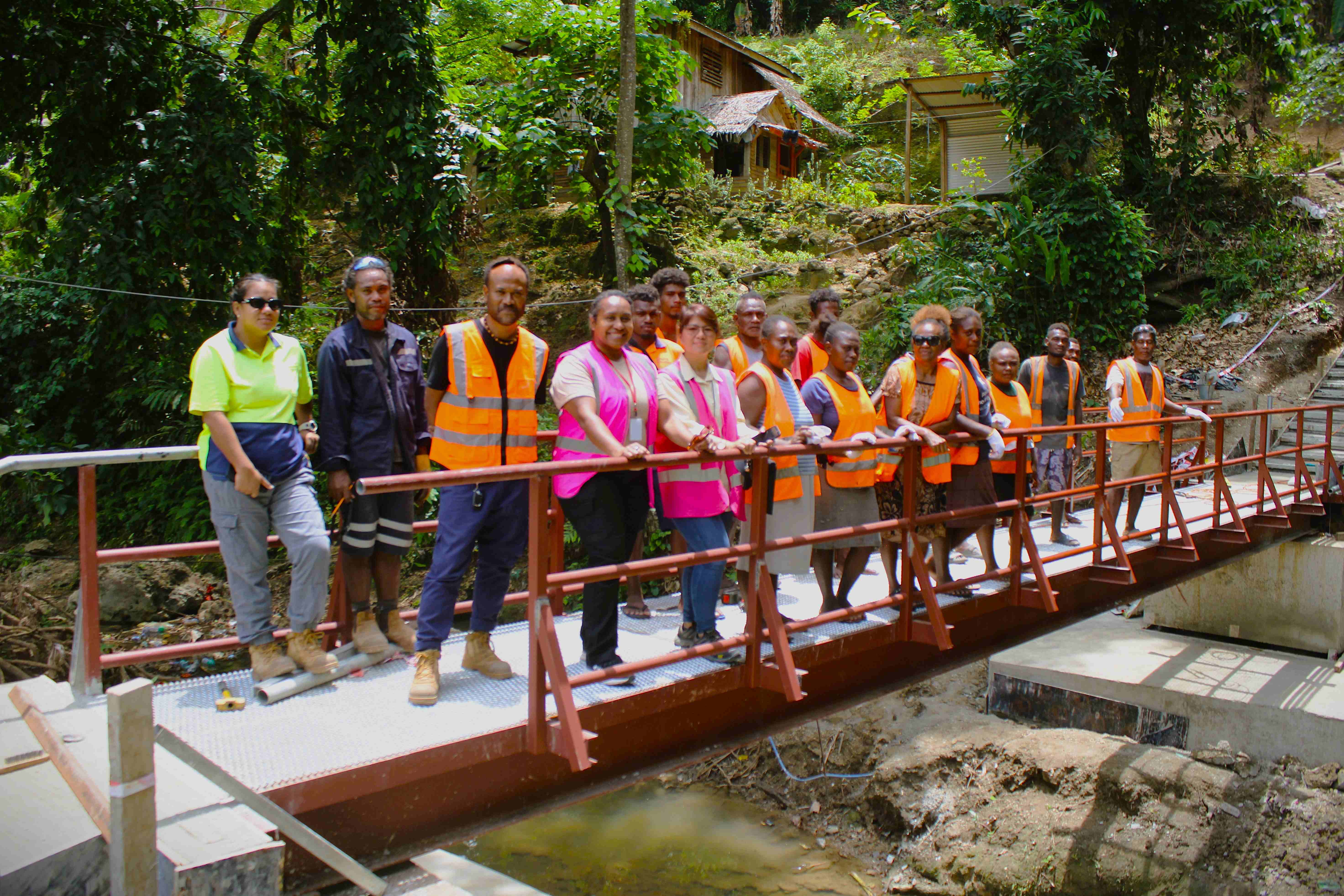
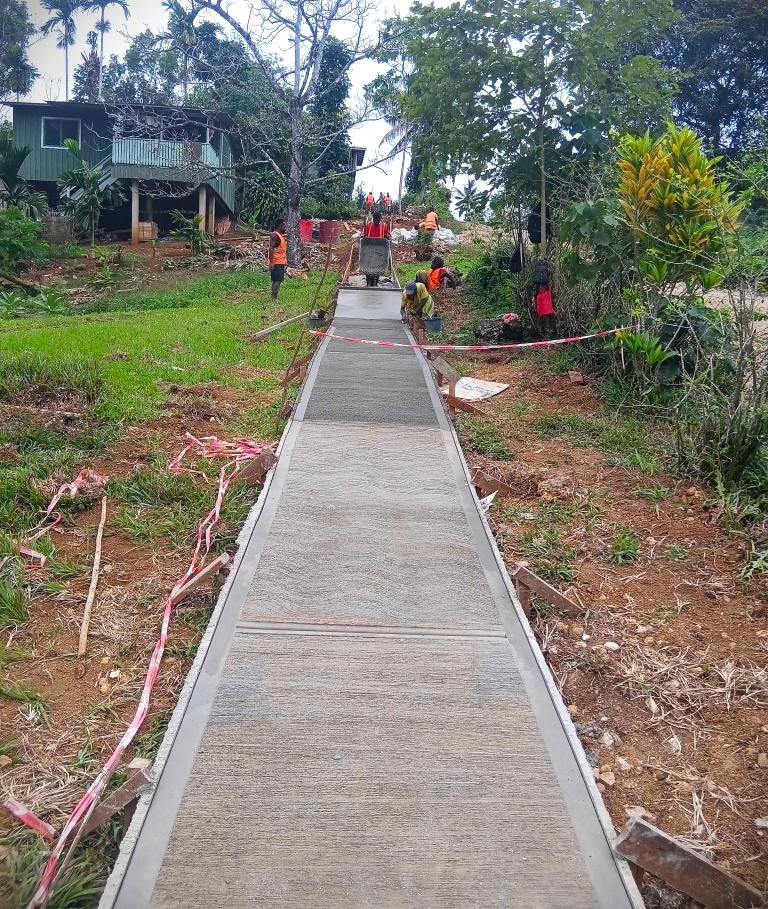
Designed to prepare community members for employment and income-generating opportunities, the training gave Vani a pathway to put new skills into practice. She later joined community work teams constructing the AOG footpath and Police Estate footpath in Noro, completing 60 labour days while gaining practical experience in mixing cement, laying mesh and constructing access infrastructure for her community.
But for Vani, the opportunity did not end when the community works were completed.
She also participated in a financial inclusion and savings information session and worked on preparing a reference letter to support her search for employment beyond CAUSE II. In May 2026, that opportunity came when she secured a job with SolTuna in Noro.
Today, Vani is the main breadwinner for her family.
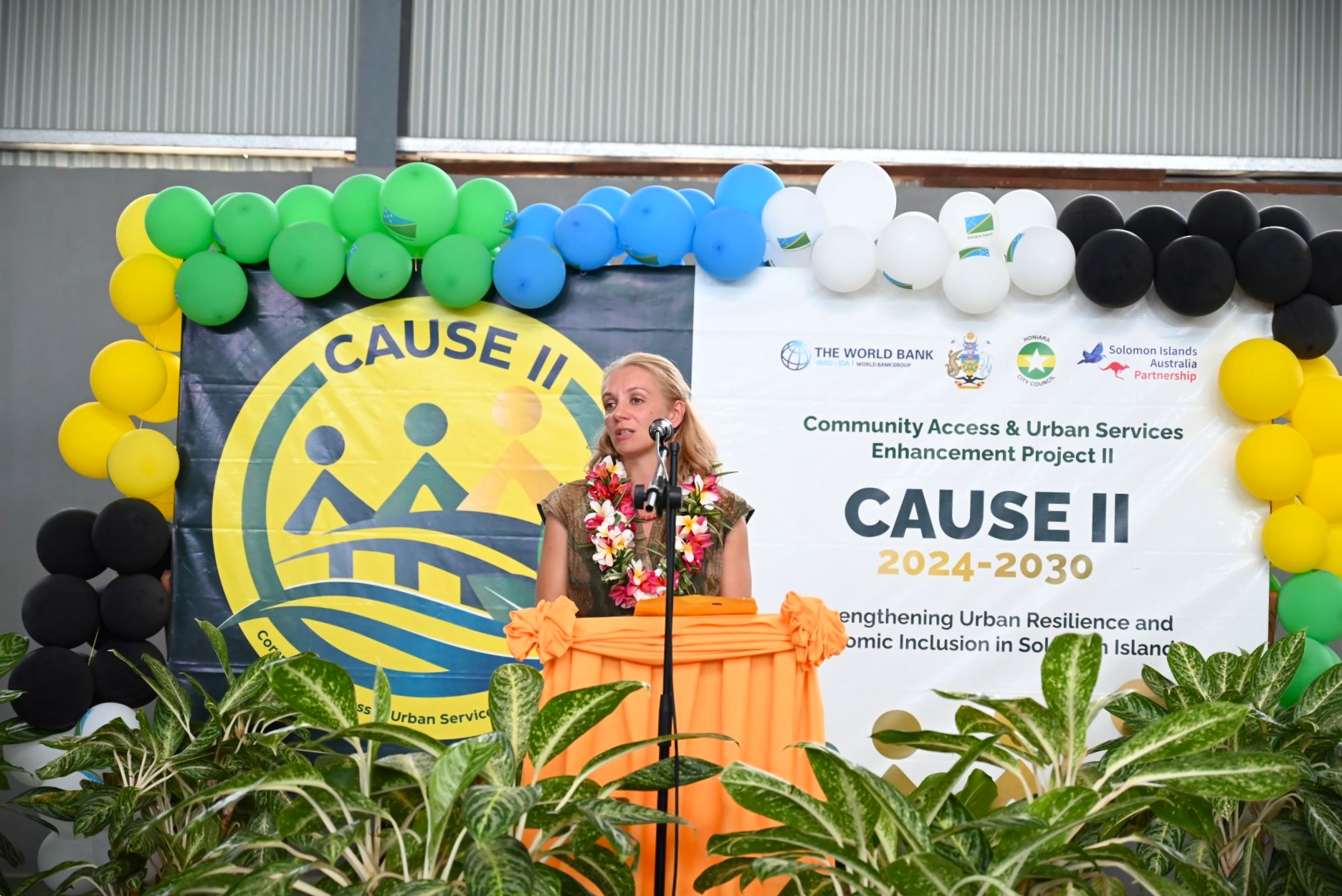
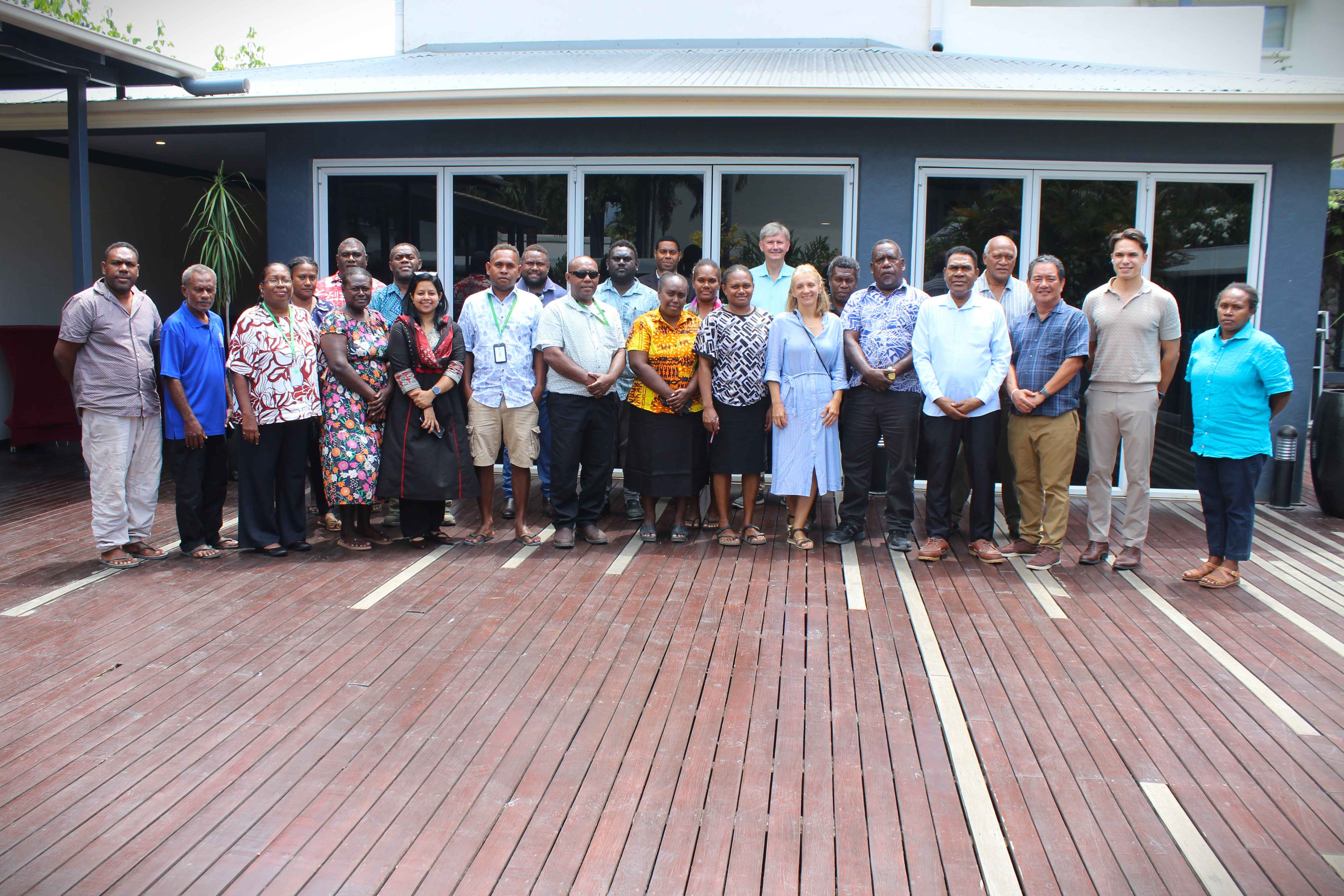
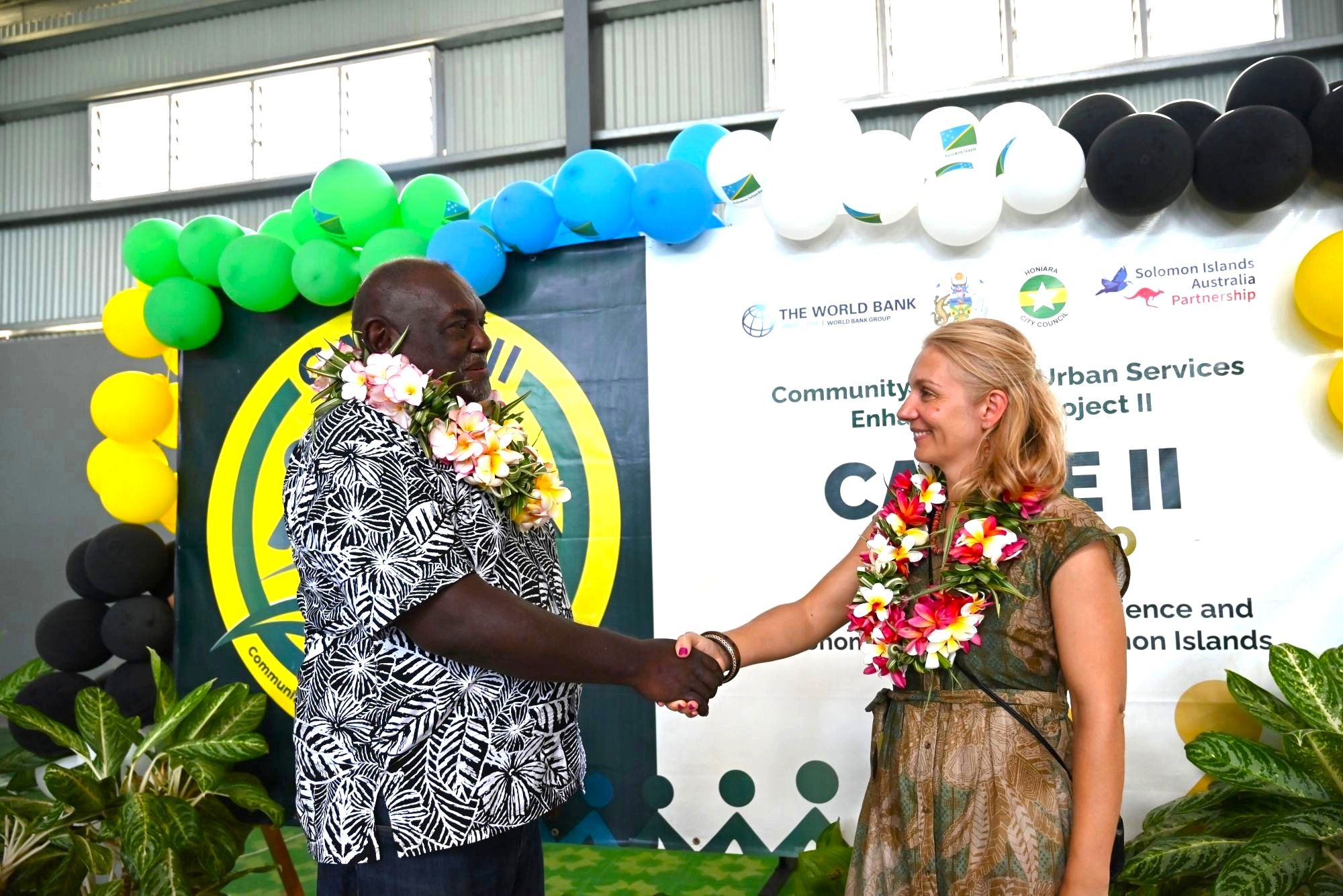
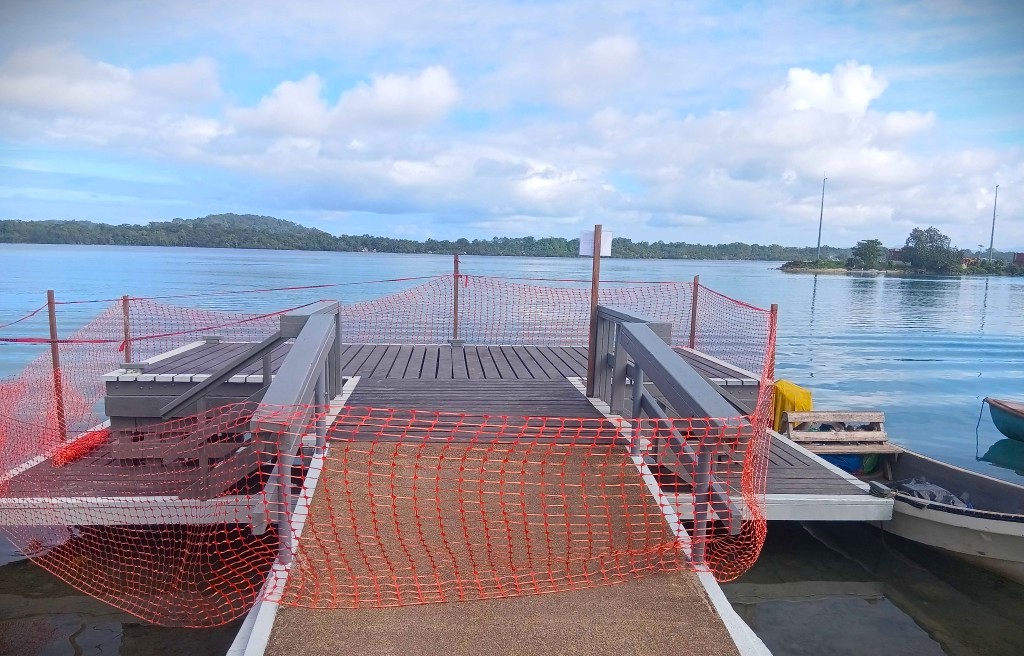
Her journey was highlighted by World Bank Task Team Leader Ifeta Smajic during the official handover of 10 completed CAUSE II community infrastructure sub-projects in Noro, where she emphasised that behind every completed footpath, market facility or improved public space are people who identified community needs, gained new skills and put those skills to work.
“Vani’s story demonstrates the wider impacts of today’s handover,” Ms Smajic said. “One worker gains experience, one family strengthens its livelihood, one team delivers much needed infrastructure – and together these contributions create lasting benefits for their communities.”
Across Solomon Islands, more than 10,500 community workers have participated in CAUSE-related community work, contributing to more than 260 community infrastructure facilities and an estimated 400,000 labour days.
For the World Bank, these figures represent more than outputs. They represent people gaining experience, earning incomes and building pathways towards longer-term employment.
The story is also closely connected to the way CAUSE II was designed to expand opportunities for people who have traditionally faced barriers to paid employment.
CAUSE II Project Manager Cris Afable noted during the Noro handover that the programme was deliberately designed to reach people who are often left behind, particularly young people and women who have historically faced limited access to transport, markets and employment opportunities.
In Noro and Munda, more than half of those employed through the programme’s community work were women, while more than three in four were young women.
For Ms Smajic, Vani’s experience captures what community investment can mean beyond the physical infrastructure itself.
“Community work is not only about the finished product,” she said. “It’s about people’s motivation, and their journeys to gain and acquire skills that service their communities.”
Vani herself perhaps put it most simply.
“Sapos CAUSE Project noma ba mi no save findim waka” – if it weren’t for the CAUSE Project, I wouldn’t have found a job.
Her story is a reminder that the most lasting impact of a community infrastructure project may not always be the structure that remains after construction. Sometimes, it is the opportunity created for someone to take the next step.
Implemented by the Solomon Islands Government, the CAUSE II Project is supported by the World Bank and the Australian Government through the PNG and Pacific Islands Umbrella Facility Multi-Donor Trust Fund.
Ends///
Gallery