Matariu Youths Complete Stream Cleaning Project Under CAUSE II
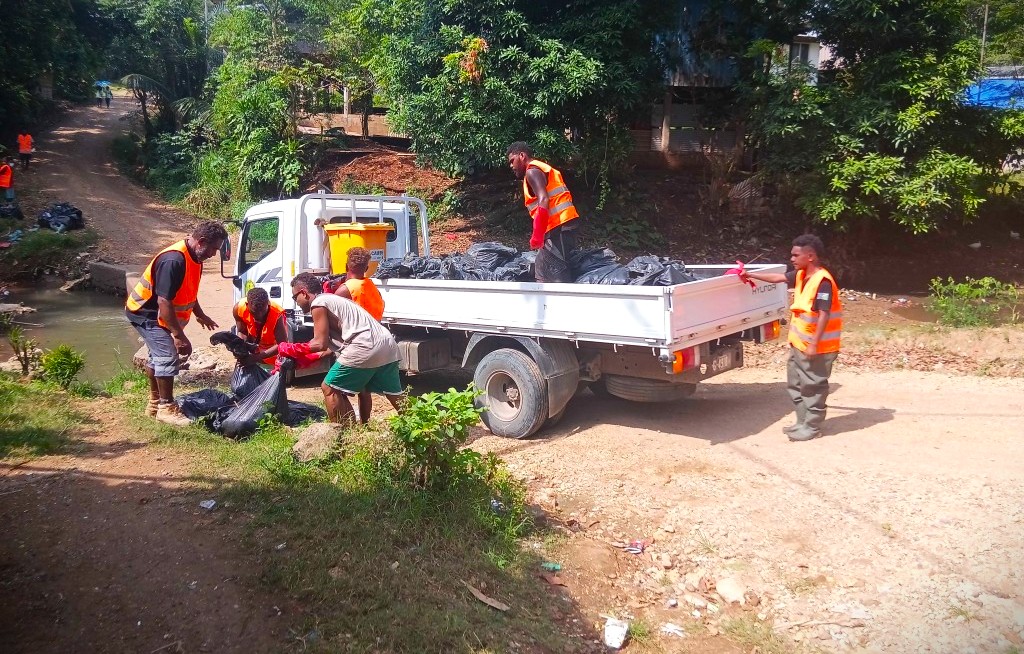
A GROUP of young men from Matariu Community have successfully completed their first Stream Cleaning Pilot Initiative under the Community Access and Urban Services Enhancement (CAUSE II) Project, marking an important milestone in community-driven environmental management and youth engagement.
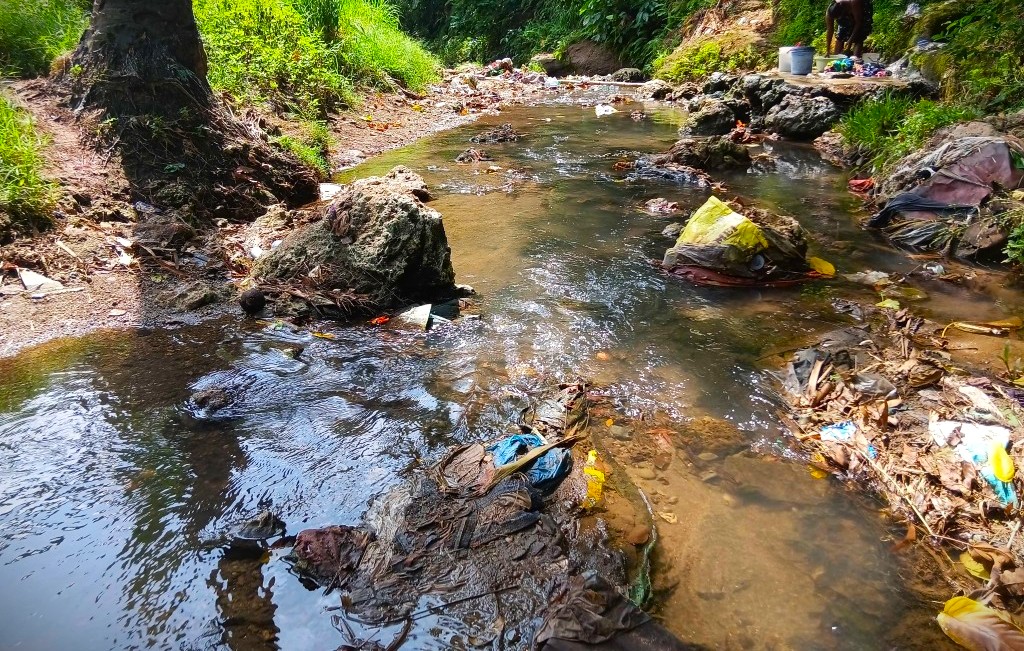
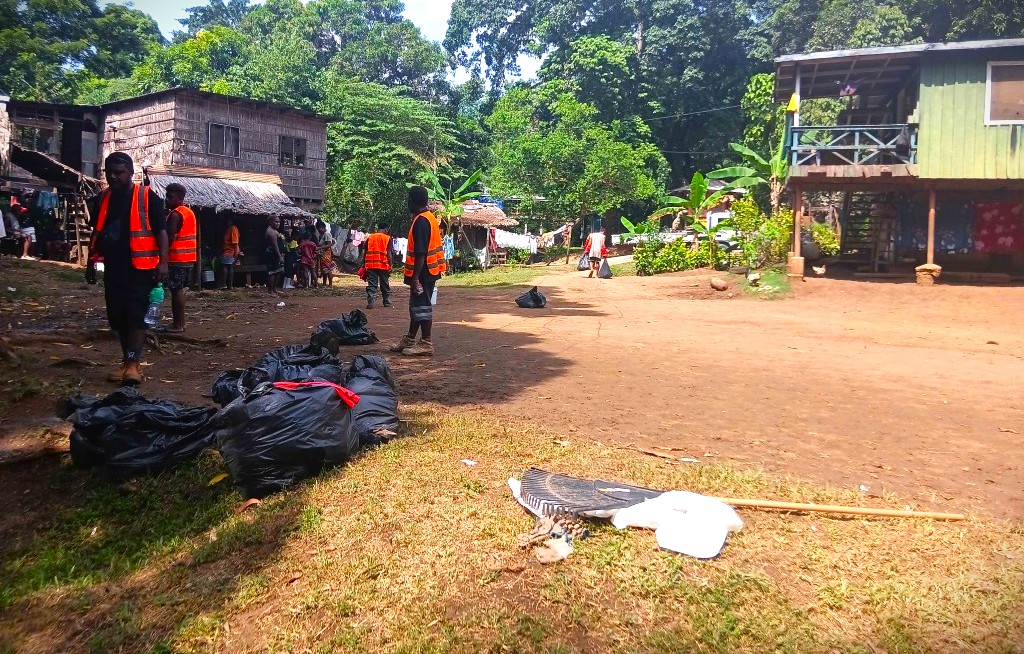
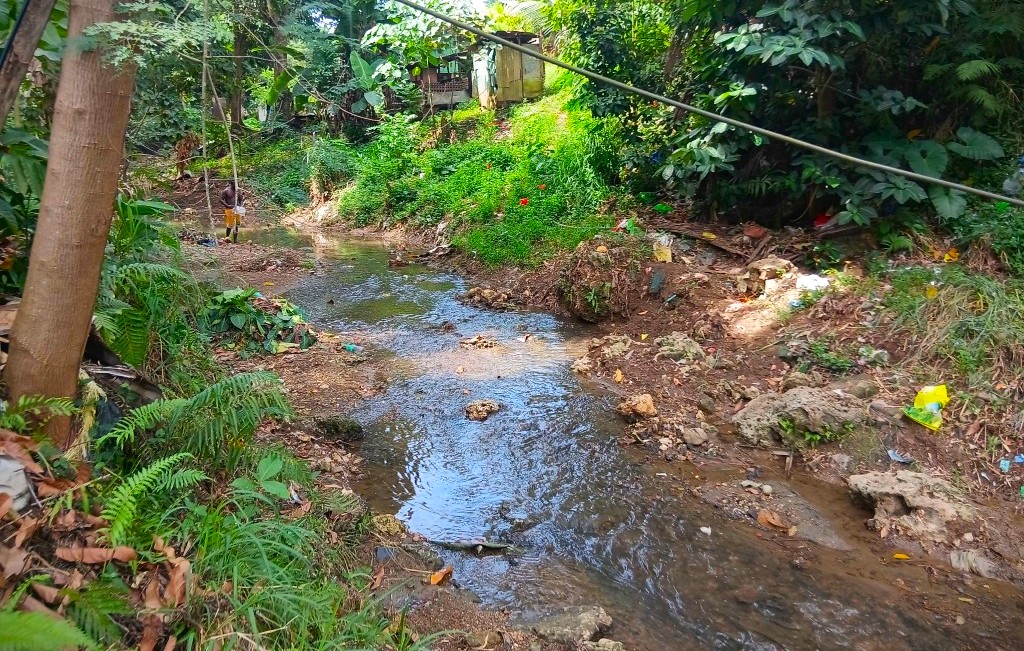
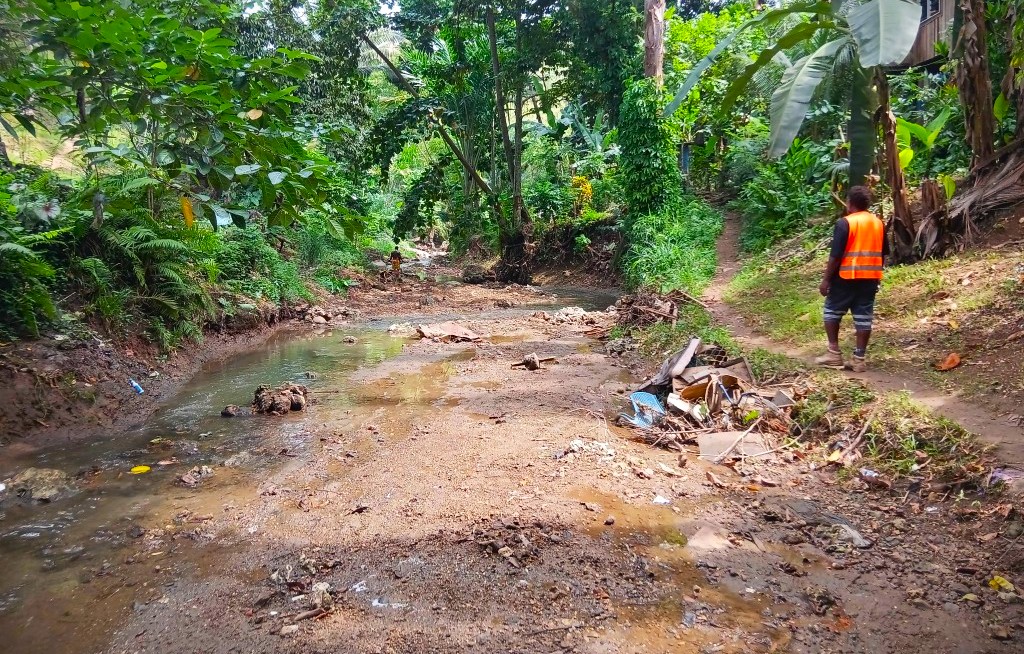
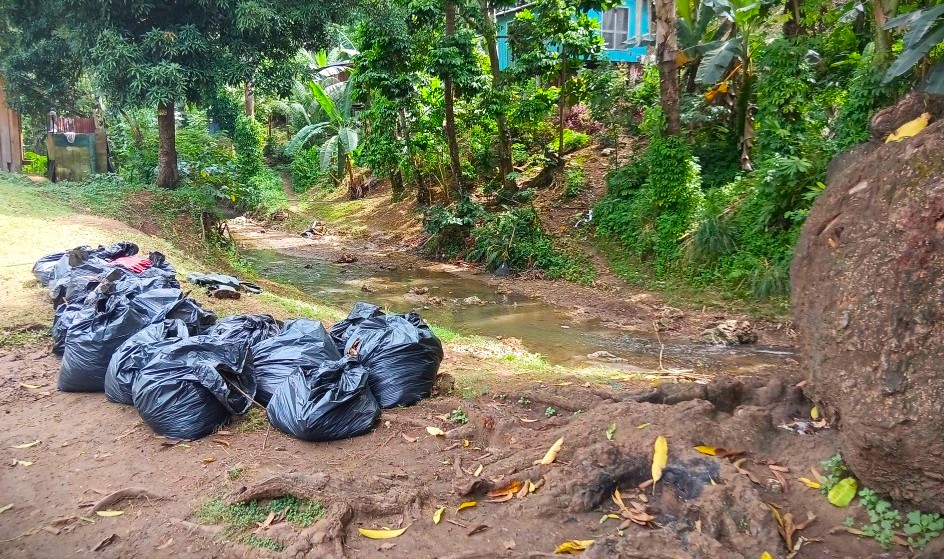
Fresh from completing CAUSE II's Redi4Waka (R4W) and community development training, the Matariu Boys dedicated 20 days to restoring sections of a local stream, removing accumulated waste, improving water flow, and helping create a cleaner and healthier environment for surrounding communities.
The team collected and transported more than five full vehicle loads of rubbish to designated disposal sites during the project. Their efforts resulted in visibly cleaner waterways and earned positive feedback from local residents who witnessed the transformation firsthand.
Group Leader Gideon Moala said the benefits of the work were immediately noticeable.
"When we clean the streams, the water flows better and the streams become cleaner," he said. "One of the biggest changes we have seen is that there are fewer places for mosquitoes to breed because the stagnant water has been cleared. This is good for the health of everyone living near the stream."
The removal of rubbish and blockages reduced stagnant pools that can become breeding grounds for mosquitoes and other disease-carrying pests, demonstrating the direct link between environmental management and public health.
Beyond the environmental benefits, Moala said the initiative provided valuable practical experience and new knowledge for participating youth.
"CAUSE II training helped us learn many new things, especially about how to take care of our environment and how communities can work together to improve the places where we live," he said. "It opened our minds to ways we can contribute positively to our communities and support community development."
The Stream Cleaning Pilot Initiative was designed not only to improve local waterways but also to create meaningful opportunities for unemployed youth to gain skills, earn income, and contribute to the wellbeing of their communities.
Moala said these opportunities are particularly important for young people who often struggle to find employment.
"Many young people in our communities are unemployed and have very few opportunities," he said. "CAUSE II is helping boys and girls who are not currently working to gain experience, earn an income, and support their families. I encourage other young people to take part in programs like this because they can help improve our lives and our communities."
While the project achieved significant results, the team also encountered challenges. One of the biggest obstacles was the continued accumulation of rubbish entering cleaned sections of the stream from nearby tributaries and surrounding areas.
"Sometimes after we cleaned an area, we would come back the next day and find rubbish piled up again," Moala explained. "This shows that everyone has a role to play."
He appealed to households living along stream corridors to support ongoing cleanup efforts by disposing of waste responsibly.
"My message to families living near the streams is simple: please do not throw rubbish into the water. If we all work together to keep our streams clean, it will help protect our environment and improve the health of our communities."
The success of the Matariu Boys demonstrates the powerful impact that can be achieved when training, employment opportunities, community ownership, and environmental stewardship come together. Their work serves as a practical example of how local action can create lasting improvements for both people and the environment.
While the pilot initiative has already delivered encouraging results, the work is far from over. The Stream Cleaning Pilot Project will continue through to December, with communities located along the stream corridor down to Vara Creek expected to participate and benefit from future rounds of cleanup activities.
Community Liaison Officer, Penny Siliako said the project is intended to build momentum for broader environmental improvements across Honiara.
“This pilot project will continue until December, and communities along the stream down to Vara Creek will have their share of the work. If this round is successful, we will move on to other tributaries and streams so that more communities can benefit from cleaner waterways and a healthier environment,” he said.
Meanwhile the Matariu team remains committed to supporting future cleanup activities and hopes to see greater community participation in protecting waterways across Honiara.Their achievement stands as a testament to the goals of the CAUSE II Project: empowering communities, creating opportunities for youth, improving public spaces, and building healthier, more resilient urban environments for all.
CAUSE II is implemented by the Solomon Islands Government with support from the World Bank and the Australian Government through the PNG and Pacific Islands Umbrella Facility Multi-Donor Trust Fund.
ENDS////
Gallery