Safe Streets and Stronger Skills: CAUSE II’s Community-First Approach Gains Momentum
The second Implementation Support Mission (ISM) for the Community Access and Urban Services Enhancement II (CAUSE II) Project has reported strong progress in two key components that blend urban improvement with life-changing opportunities for Solomon Islanders: safe and inclusive communities, and enhanced urban productivity.
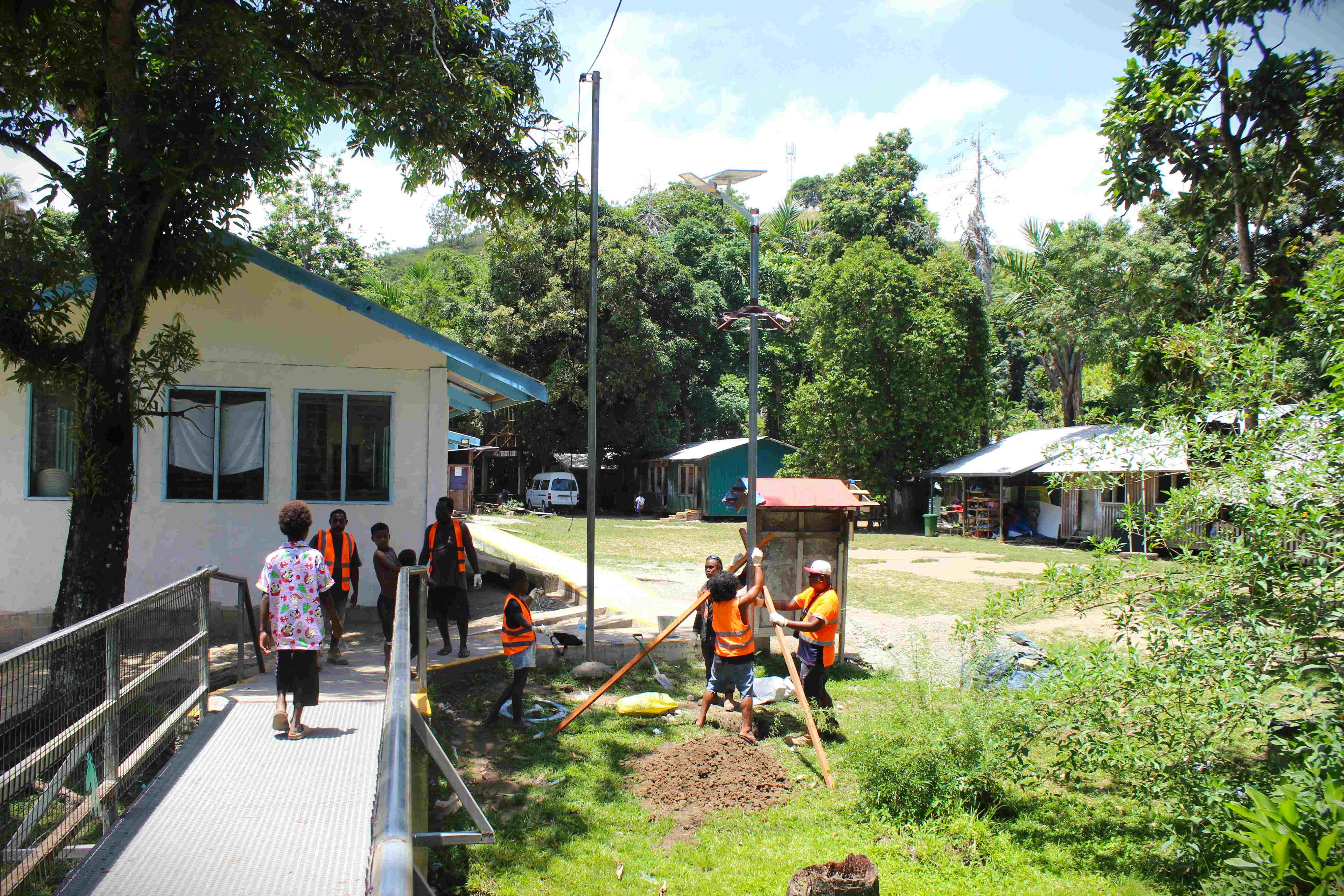
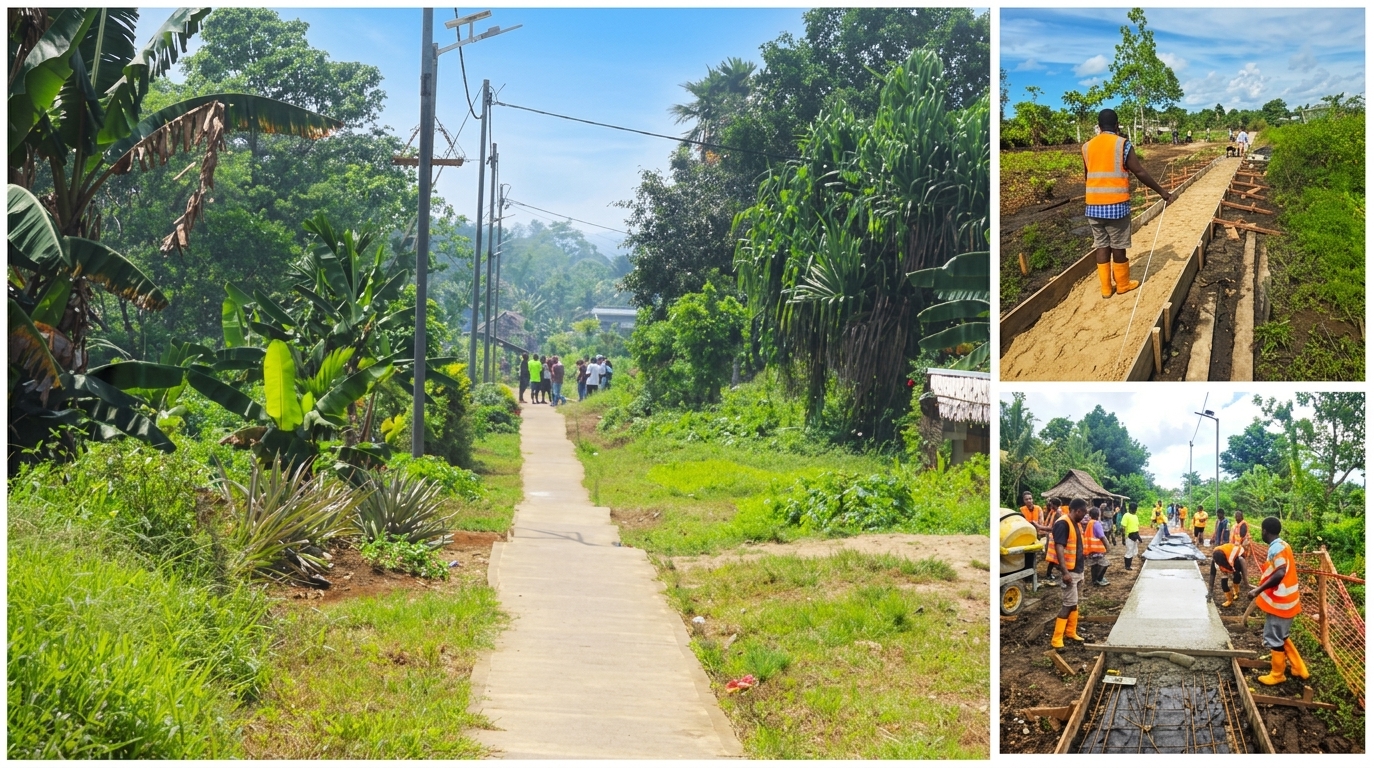
At the heart of Component 2 — Safe and Inclusive Communities — is a mission to make urban spaces safer, cleaner, and more accessible. Since May 2025, CAUSE II has launched a series of tangible infrastructure upgrades across Honiara, Noro, and Gizo. These include completed footpaths at Rita School (200 m), the National Stadium (211 m), and the installation of nine solar-powered LED lighting systems providing up to 12 hours of nighttime safety. The ongoing AOG (195 m) and Provincial Office/MSG (110 m) footpaths are further examples of how infrastructure is being built with community use and climate resilience in mind.
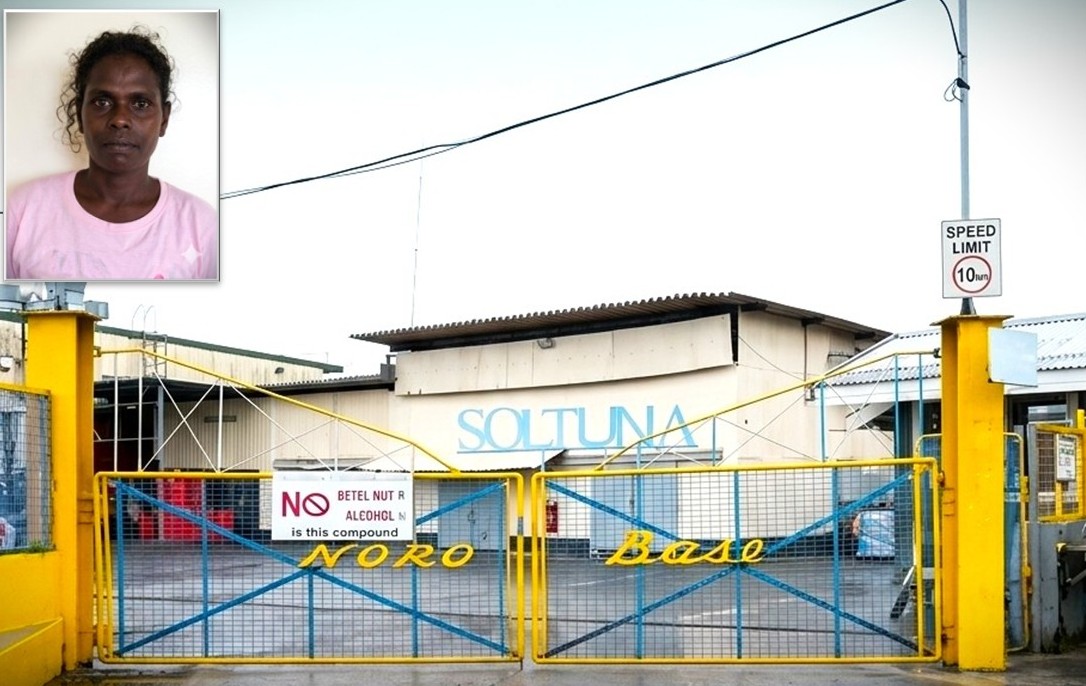
In a simultaneous push for cleaner environments, waste collection activities have seen 129 short-term contracts successfully completed, with 30 currently active. These jobs — typically 5 to 7 workers for 20 days — not only maintain public health but also serve as a crucial bridge into the workforce for many urban residents.
Meanwhile, Component 3 — Enhanced Urban Productivity — is unlocking the potential of community members through targeted life skills training, temporary employment, and social support services.
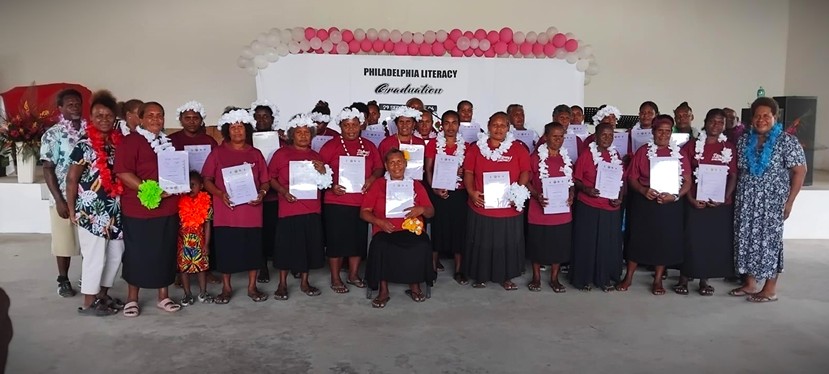
Sub-Component 3A, focused on Literacy and Numeracy, partnered with the Literacy Association of Solomon Islands to deliver teacher training and prepare learning materials. By the end of 2025, 150 individuals across Honiara and provincial centers will complete an eight-week foundational education program — a stepping stone to further opportunities.
Work Readiness Training under Sub-Component 3B, known locally as Redi4Waka, has reached 669 participants — already 14.2% of its total 4,700-person goal. Notably, 51% of these are women and 67% are youth, meeting and exceeding inclusion targets. So far, 272 trainees have transitioned into paid placements including waste collection, infrastructure, and solar light installations.
Income generation and money management training is also underway, with a pilot program scheduled in Honiara by the end of November. This training aims to empower participants with the financial literacy and entrepreneurial skills to build sustainable livelihoods.
Importantly, Sub-Component 3C — Support and Referral Services — has already reached 291 people with counselling, employment guidance, and access to further information. With 55% women and 65% youth engagement, these services are a vital support net for communities facing social and economic challenges.
Together, these components demonstrate how CAUSE II is investing in more than just physical infrastructure. It’s building safer streets, cleaner neighborhoods, and stronger, more resilient people — a community-first approach that’s already making a visible and lasting impact.
⸻
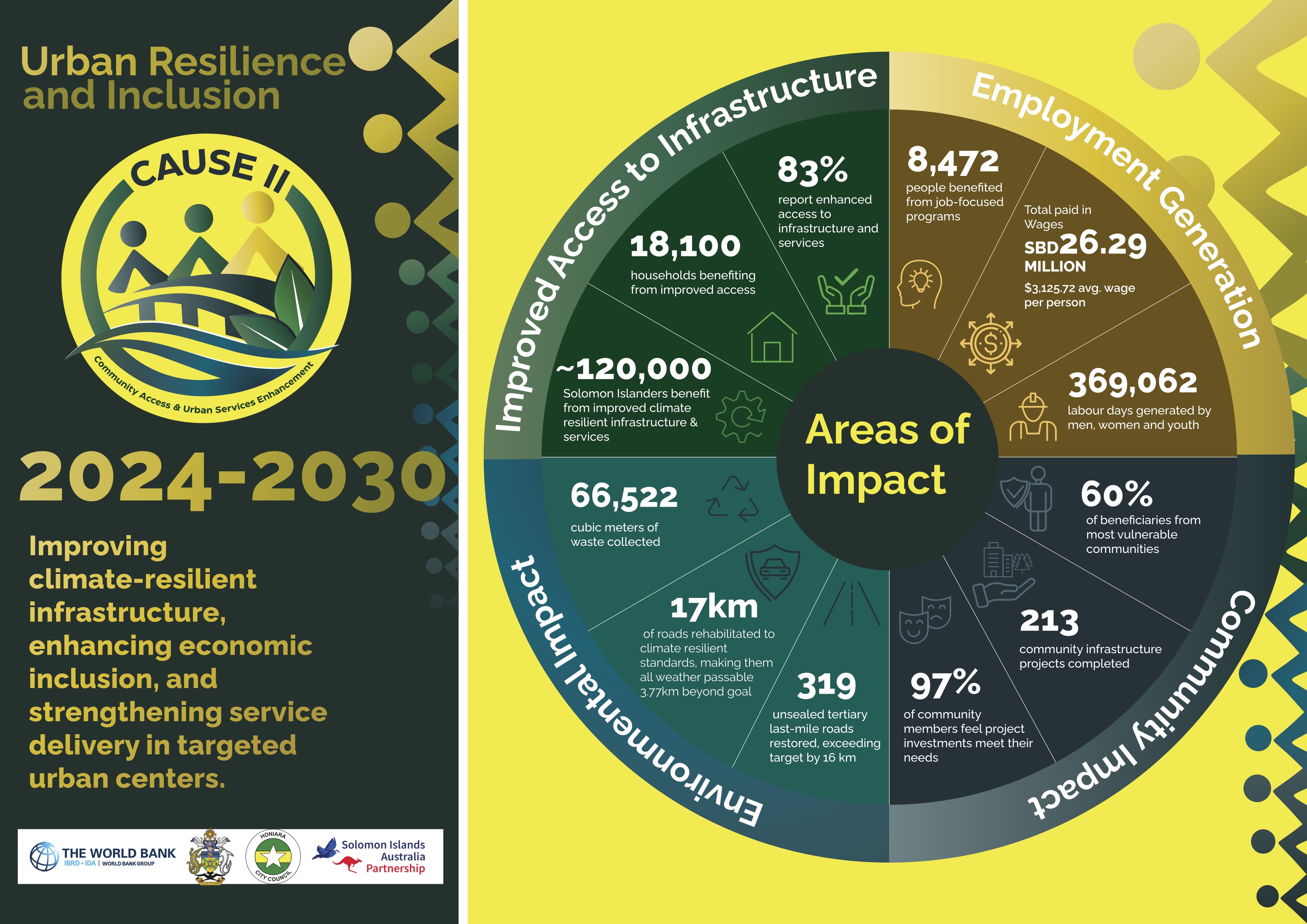
The Community Access and Urban Services Enhancement II (CAUSE II) Project is a transformative initiative aimed at improving climate-resilient infrastructure, enhancing economic inclusion, and strengthening service delivery in targeted urban centers across the Solomon Islands.
Led by the Ministry of Infrastructure Development and Honiara City Council, in collaboration with the Ministry of Lands, Housing and Survey, and the Provincial Governments of Guadalcanal, Malaita, and Western Province, CAUSE II is a Government of Solomon Islands initiative.
The project is supported by the World Bank and the Government of Australia through the Papua New Guinea and Pacific Islands Umbrella Facility Multi-Donor Trust Fund (PPIUF).
Gallery