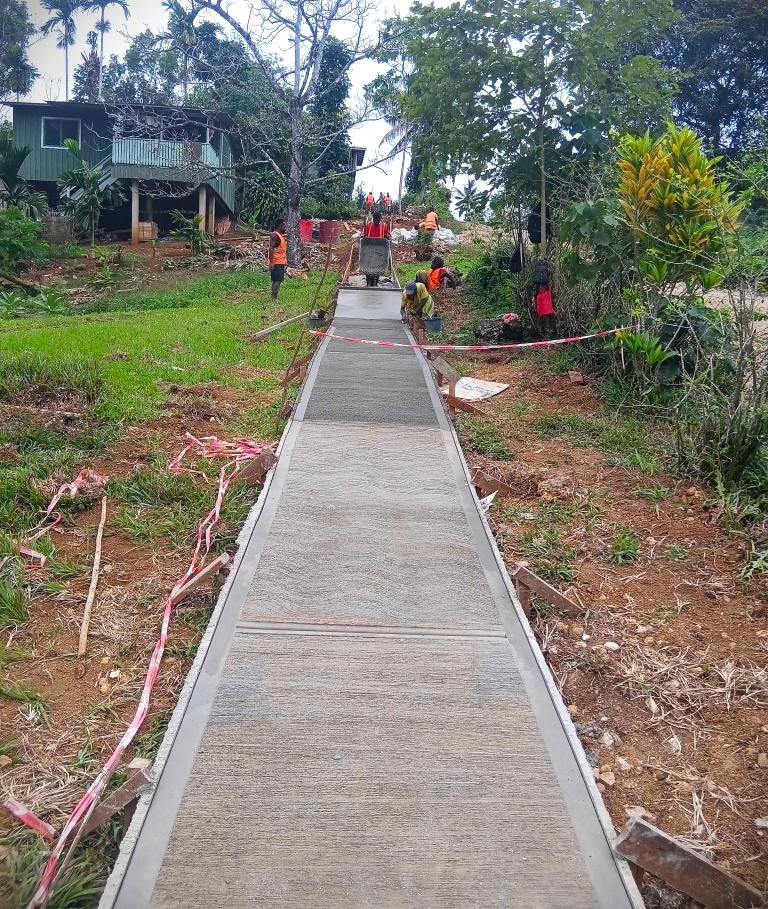
CAUSE II Hands Over 19 Completed Community Infrastructure Projects in Gizo and Noro
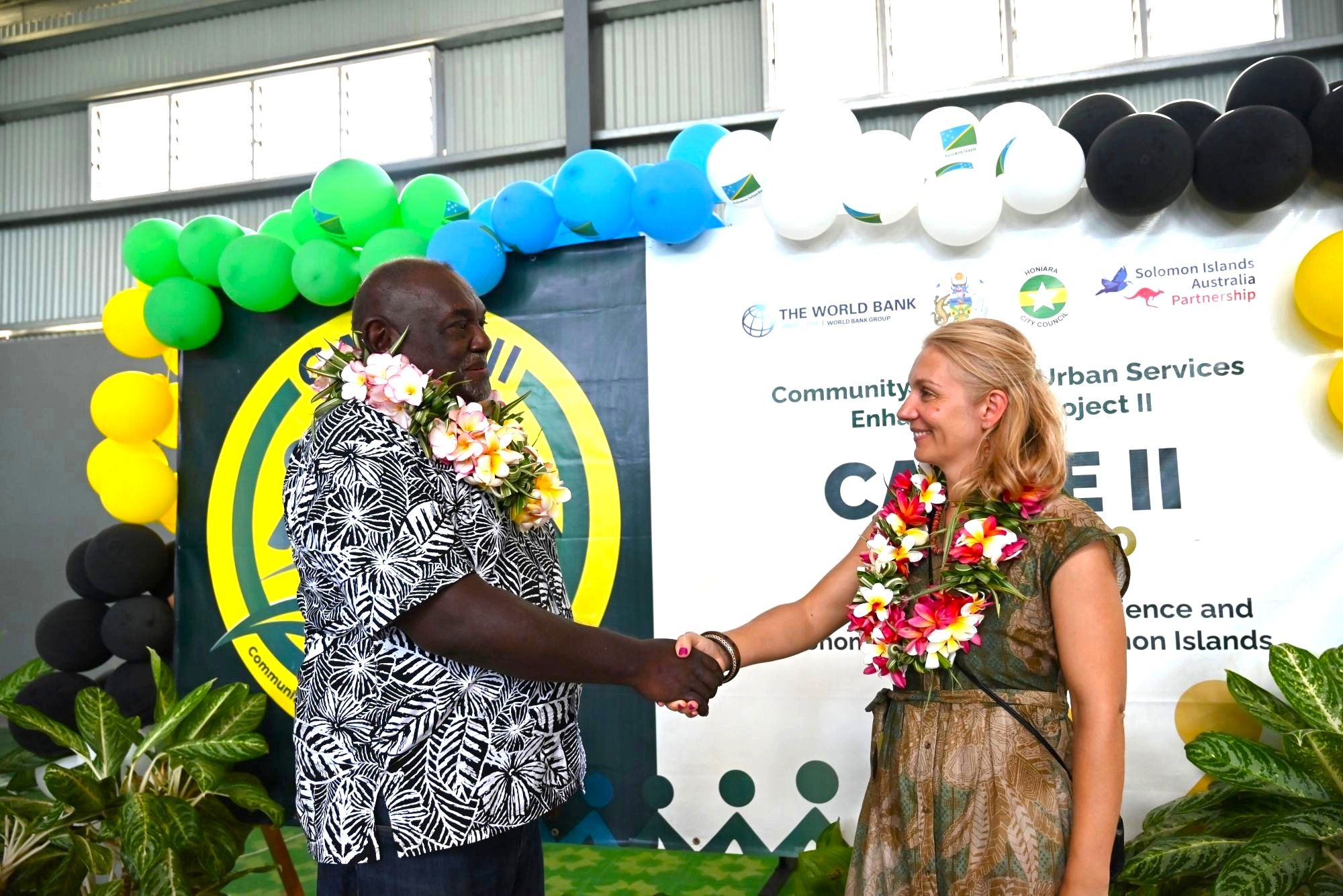
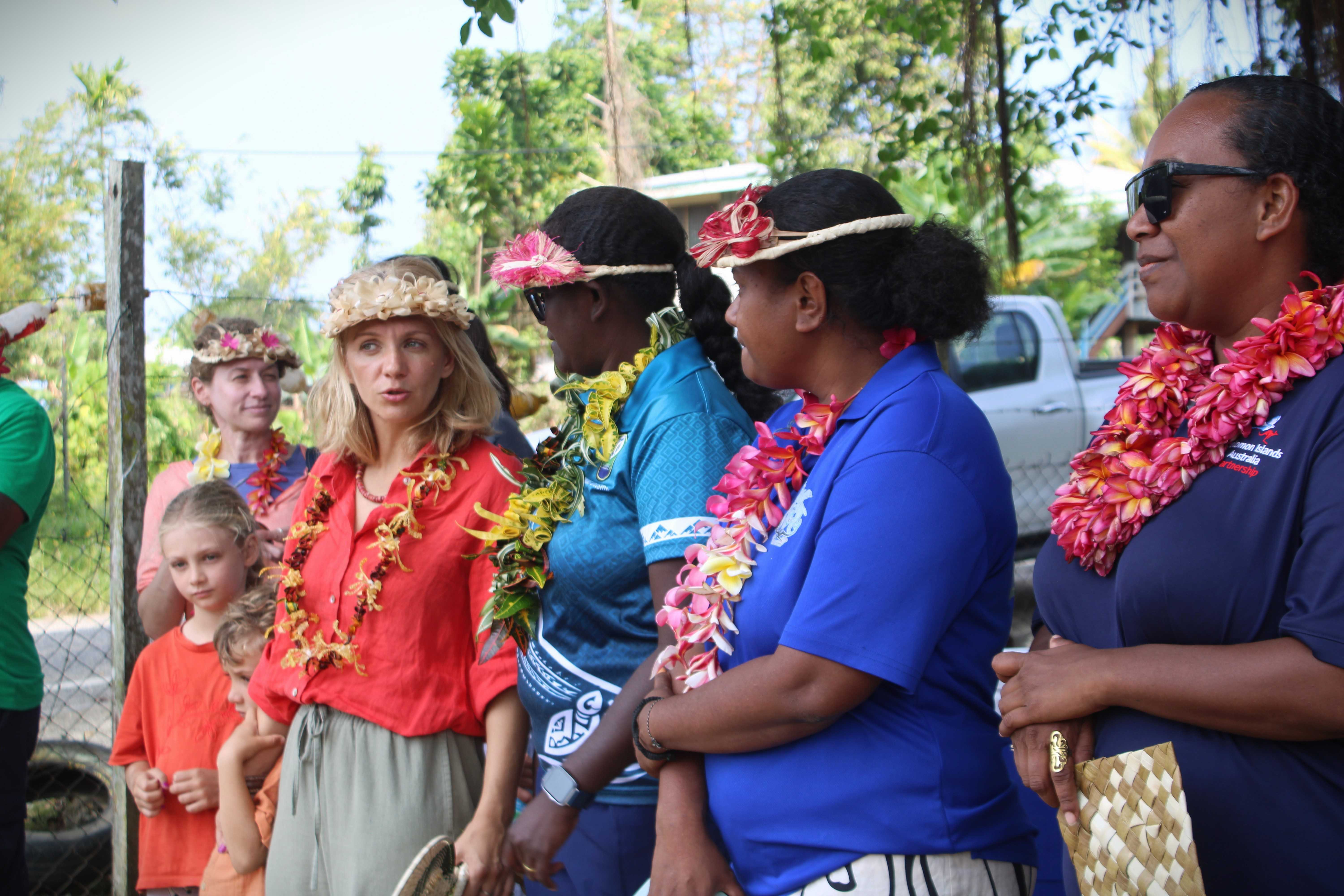
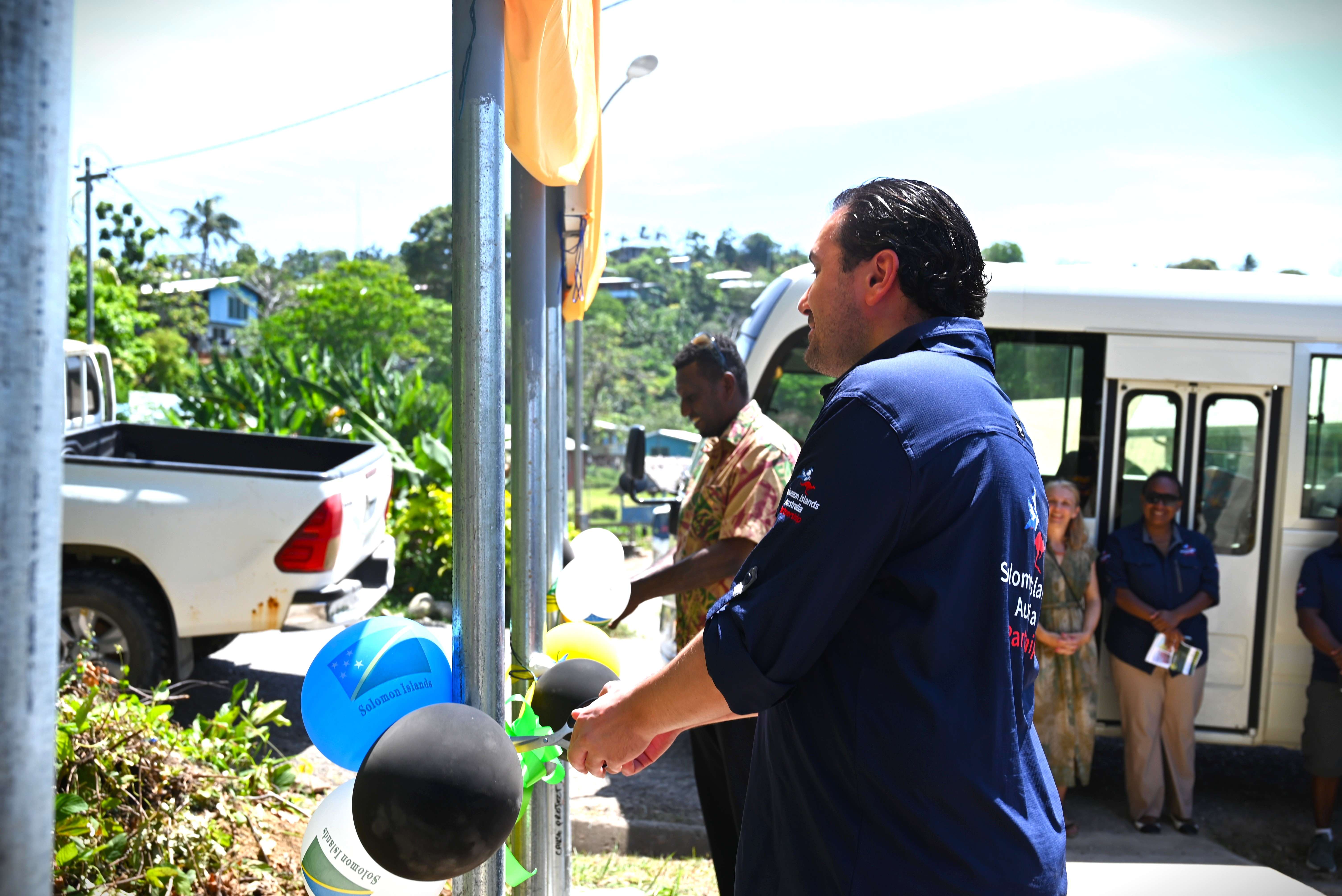
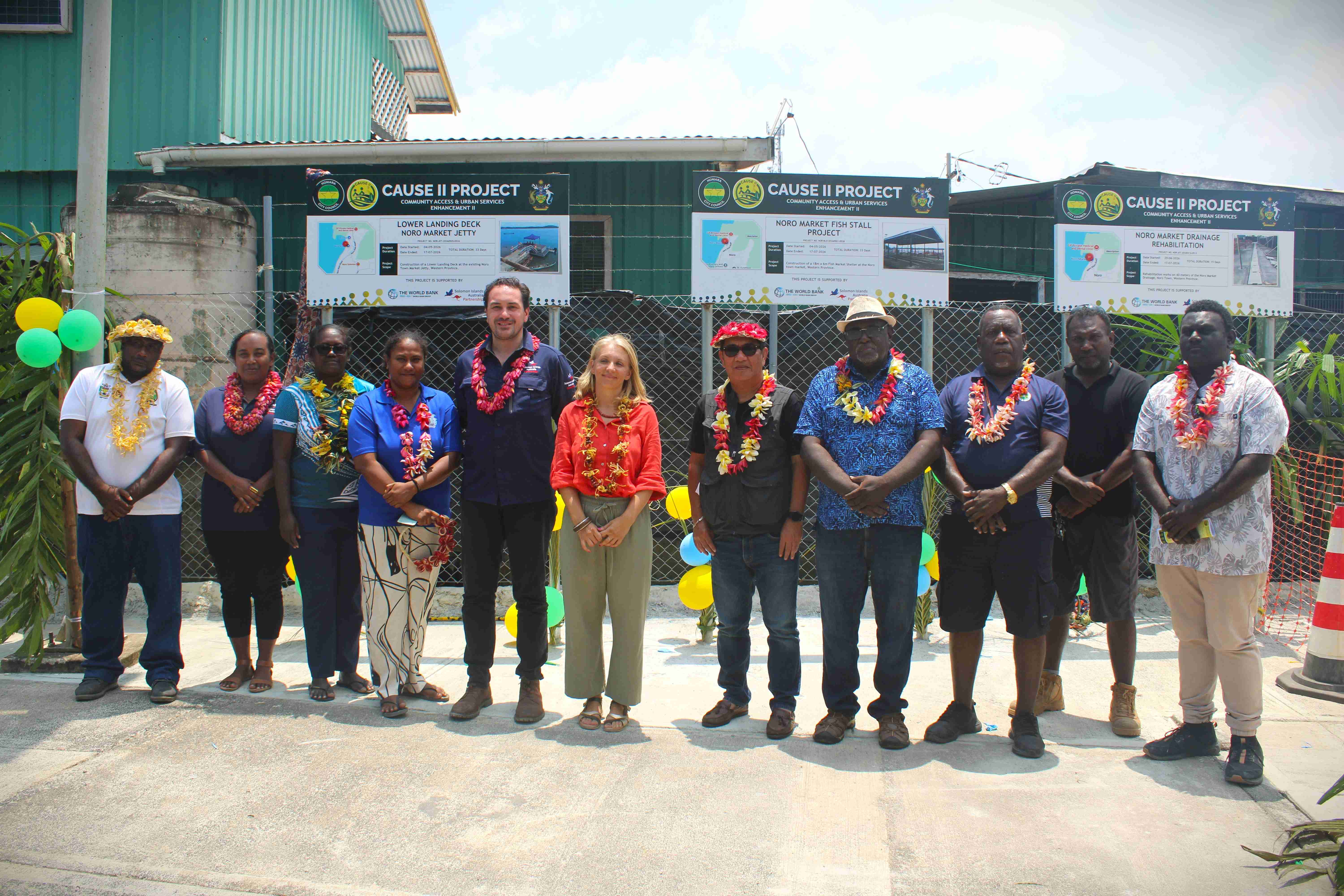
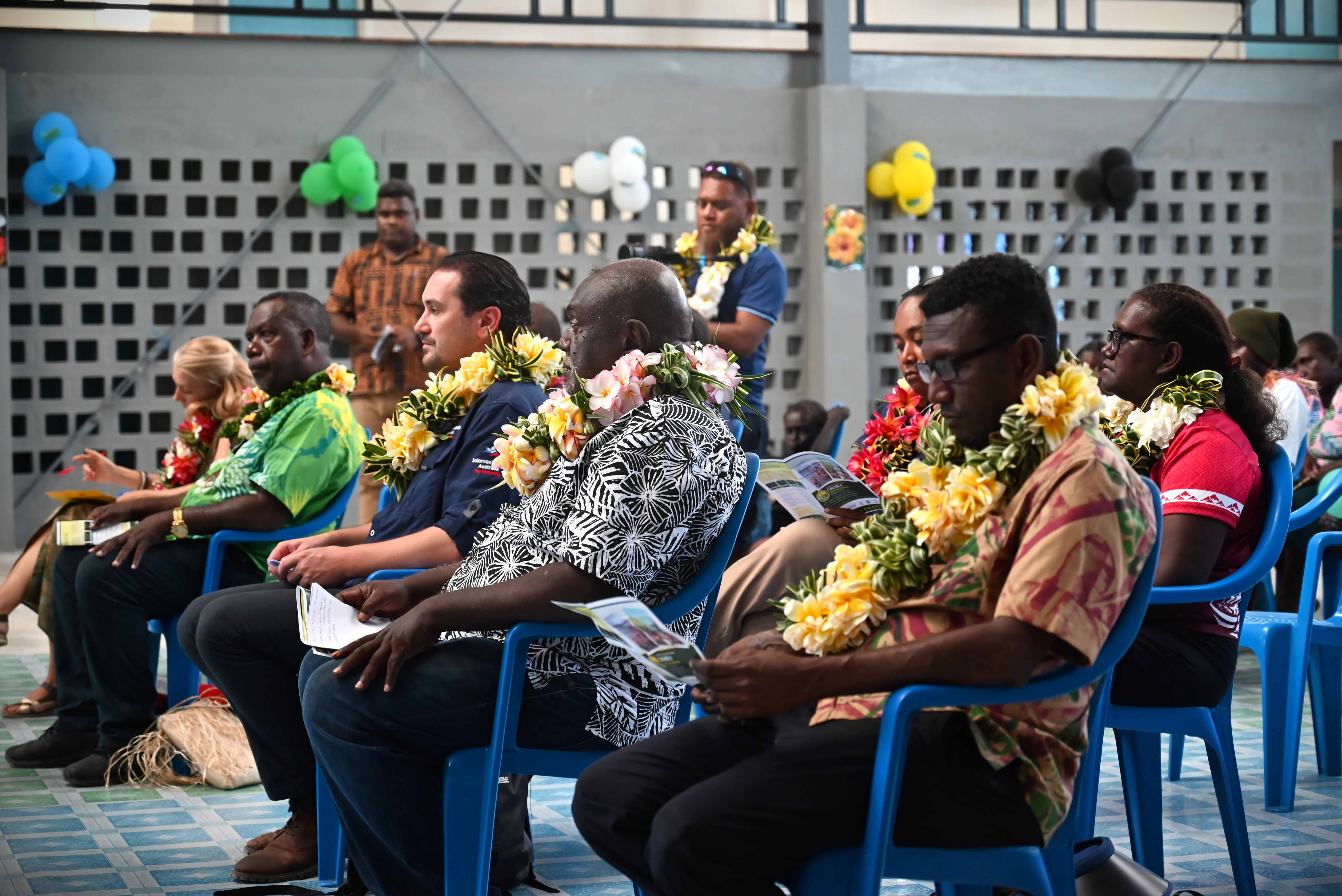
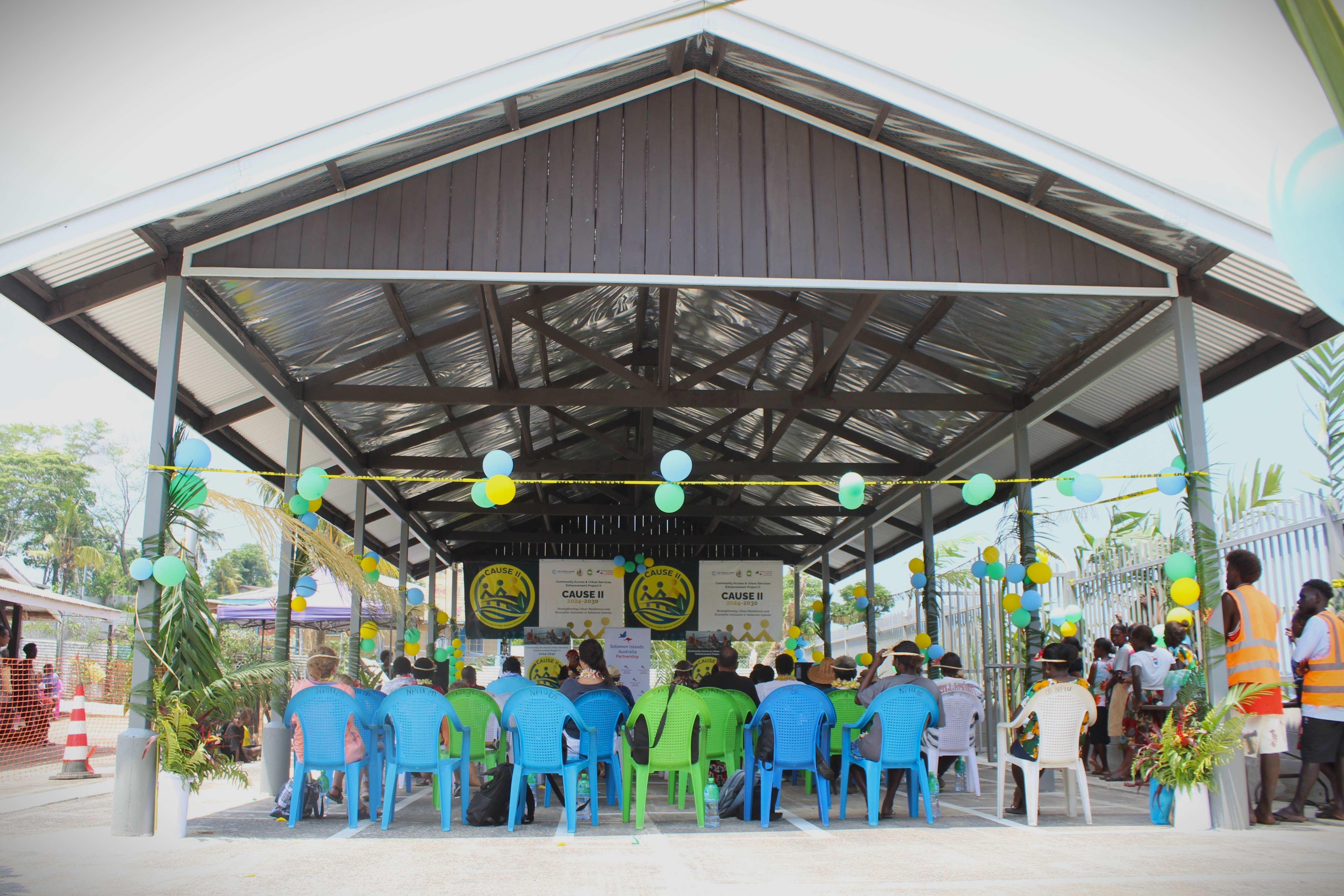
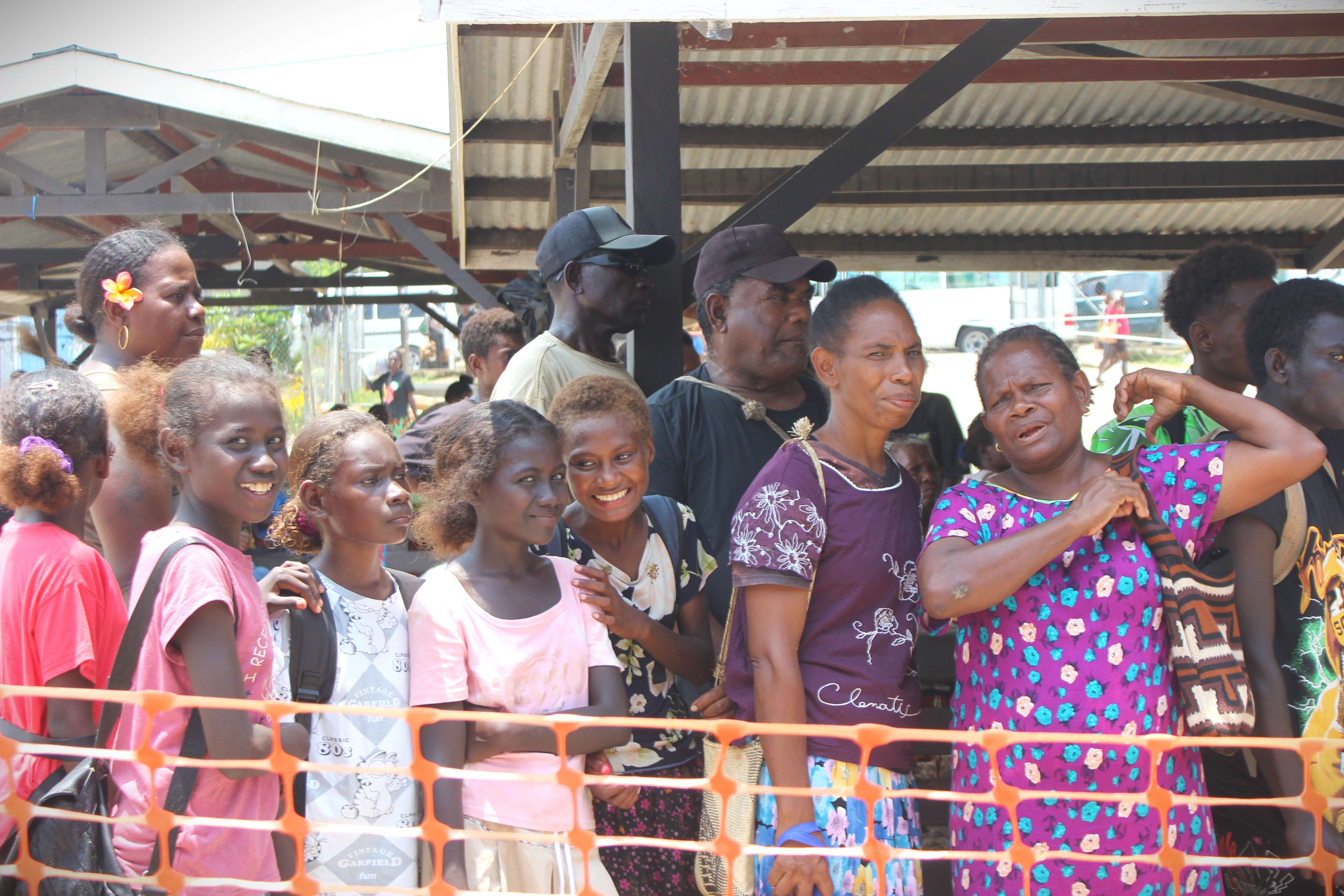
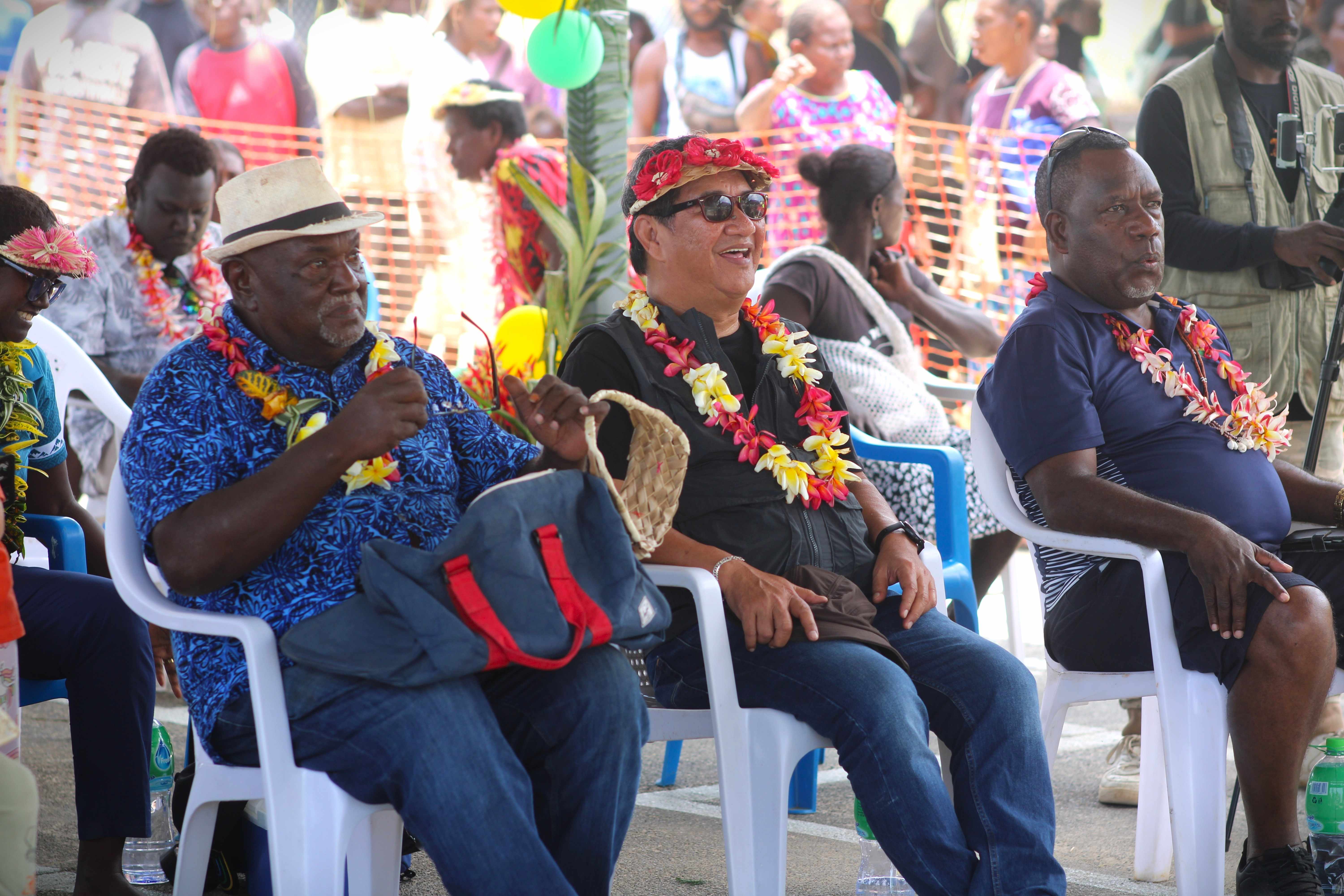
WESTERN PROVINCE, Solomon Islands – NINETEEN completed community infrastructure sub-projects have been formally handed over to communities and local authorities in Gizo and Noro, marking another important milestone in the implementation of the Community Access and Urban Services Enhancement Project II (CAUSE II) in Western Province.
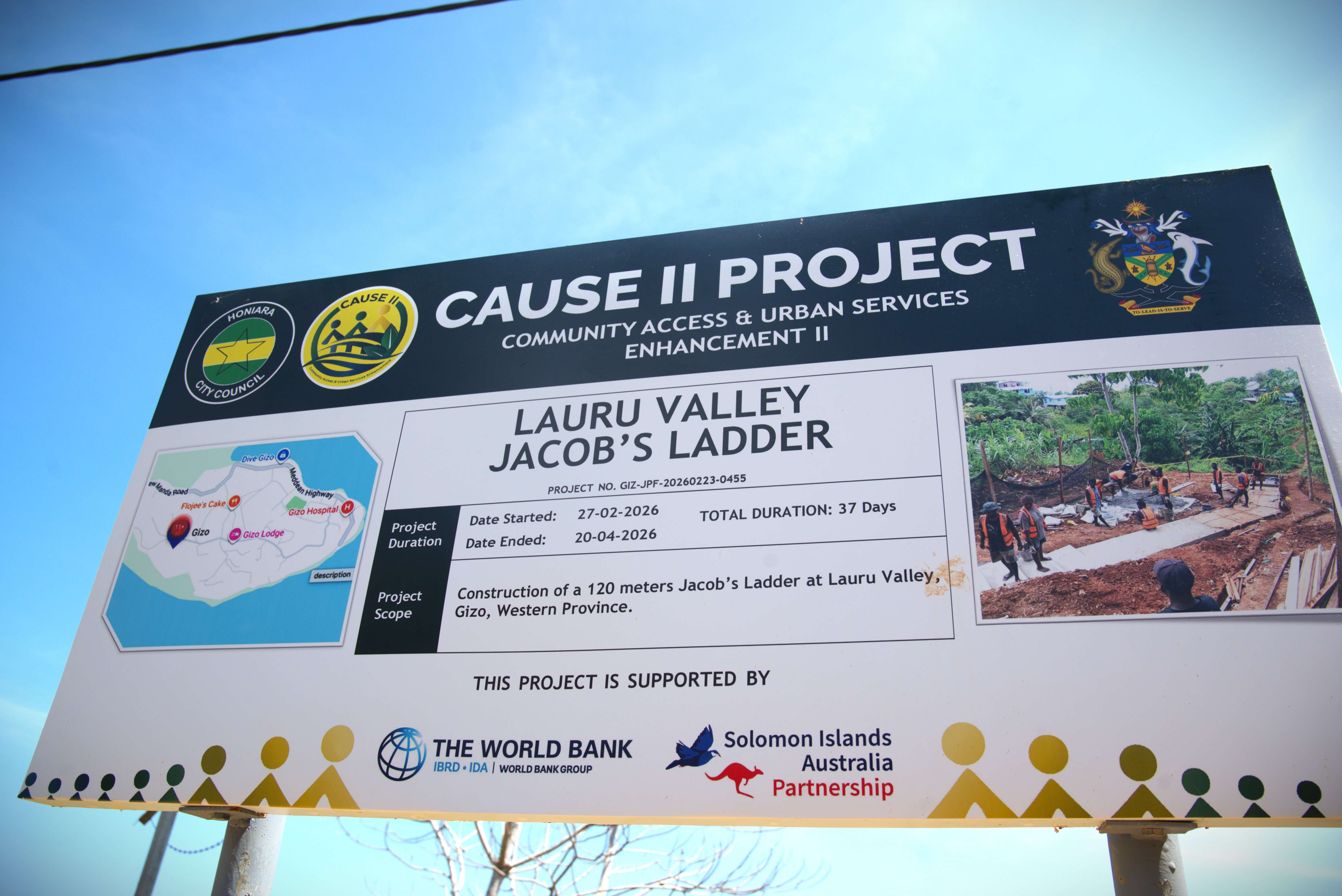
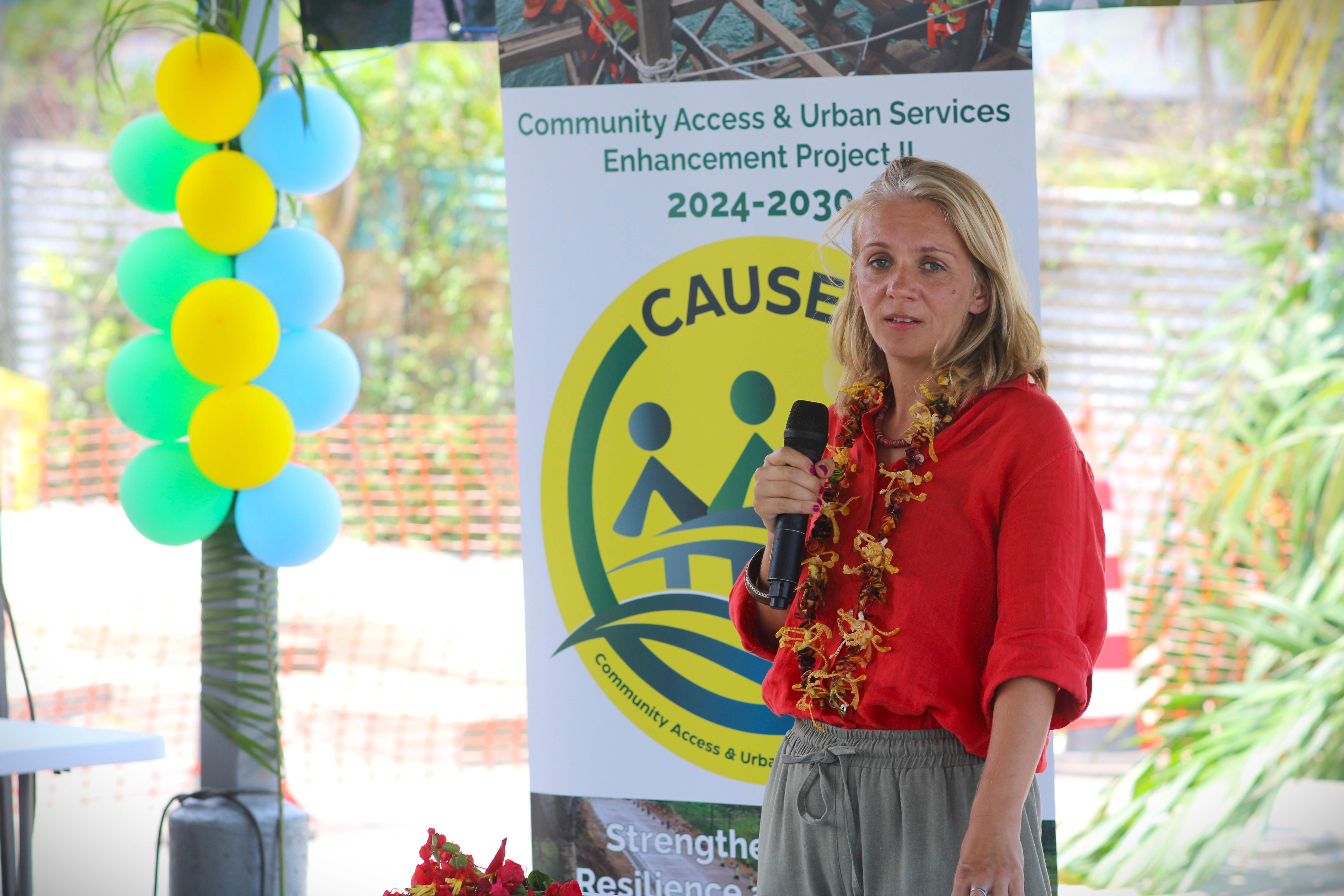
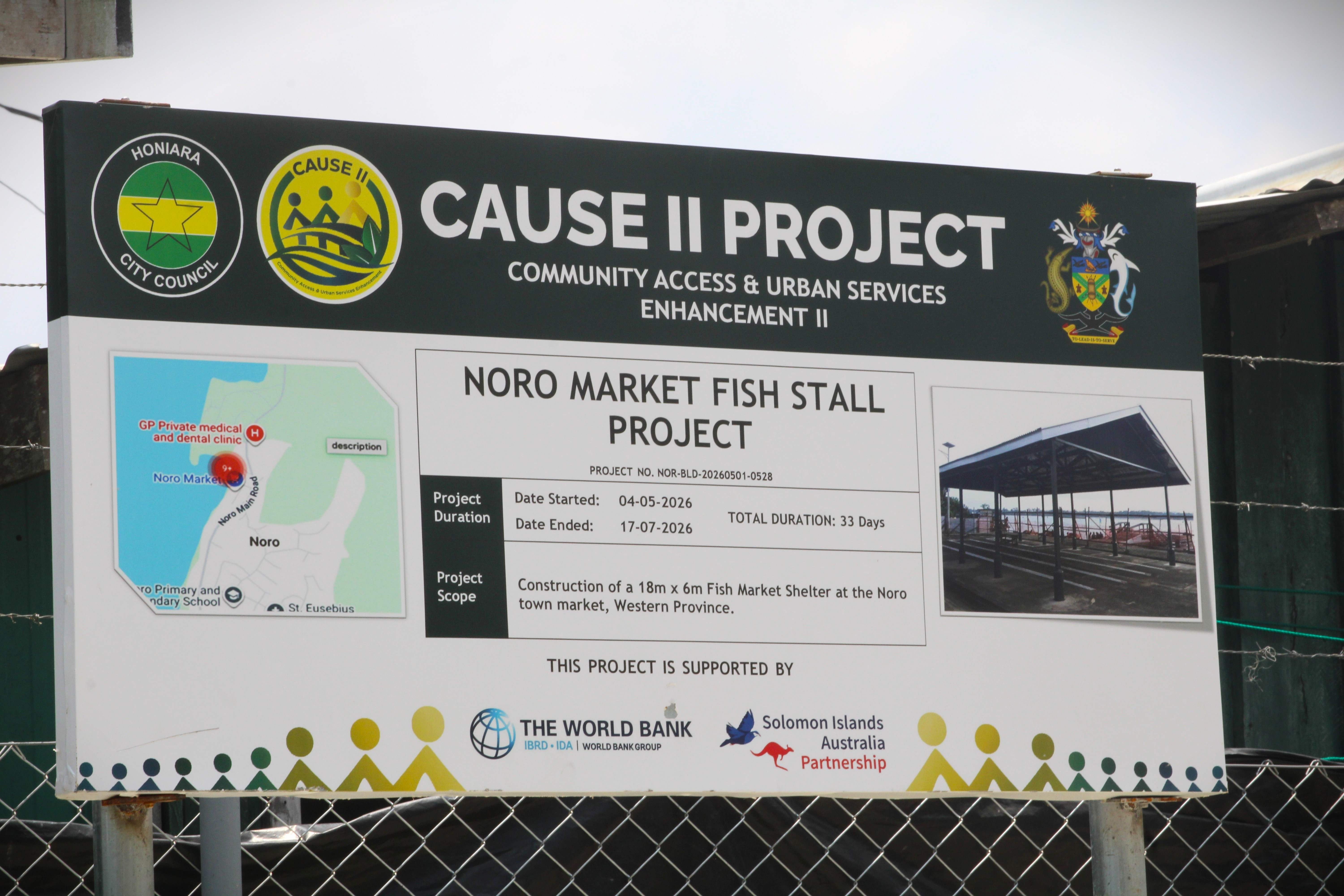
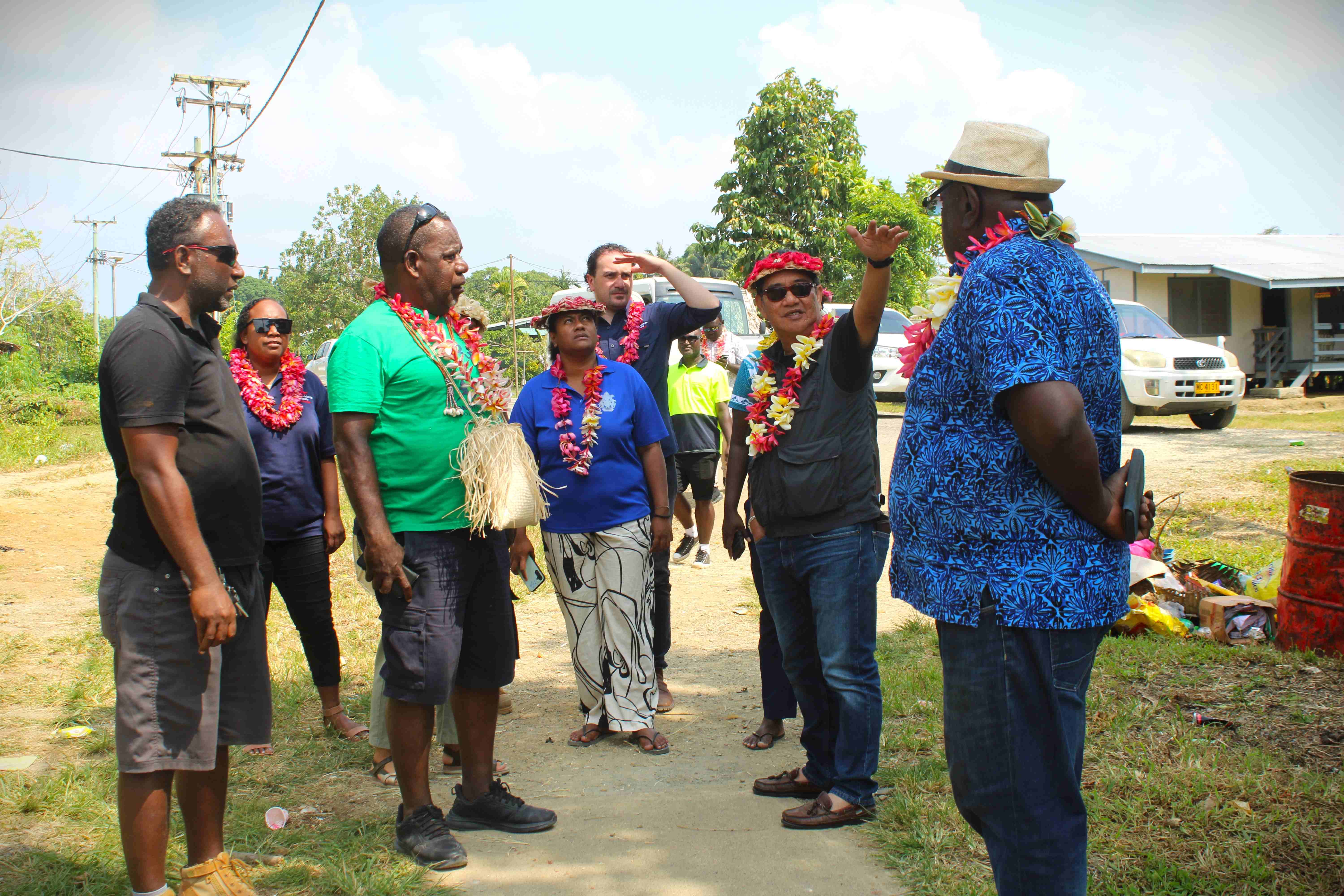
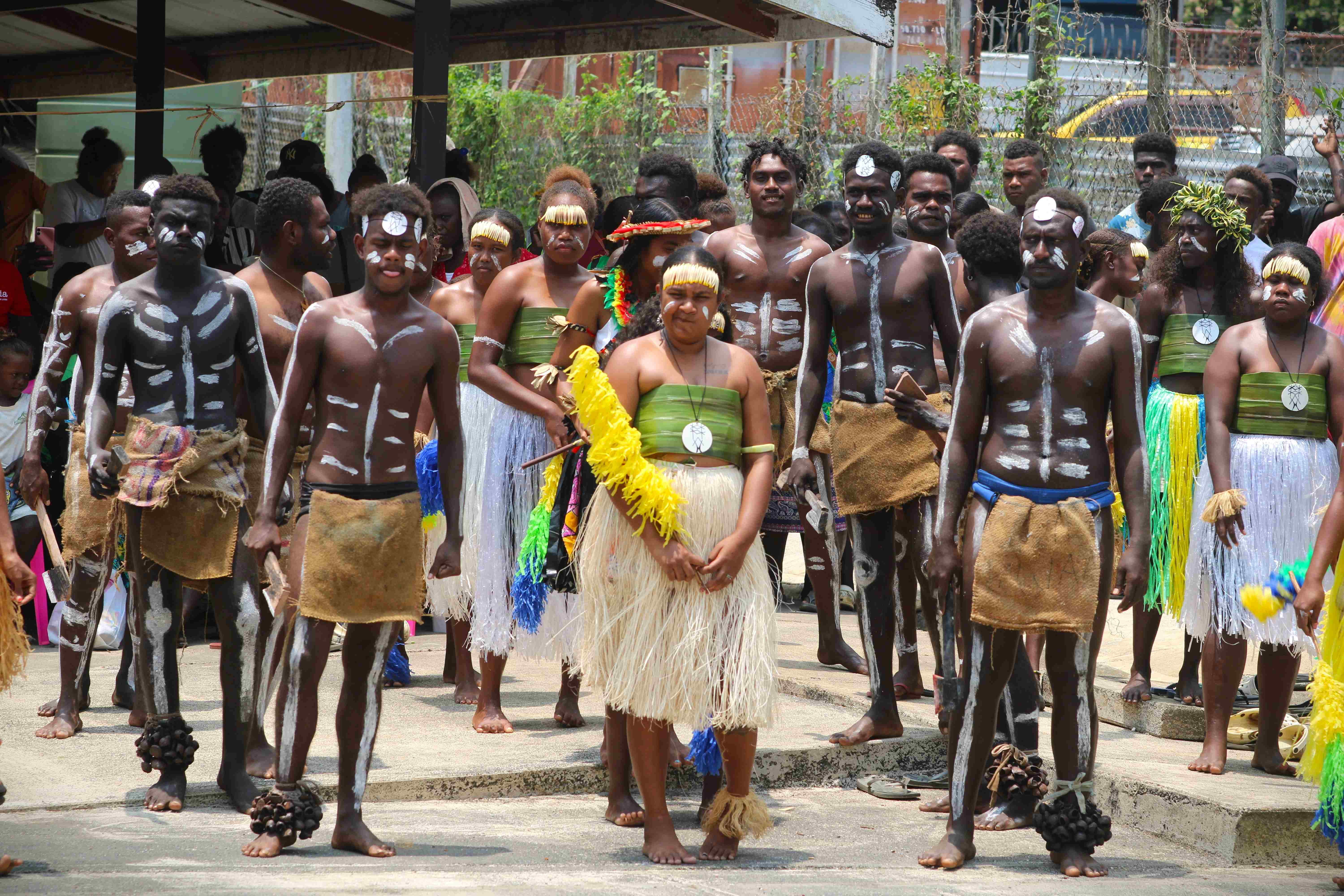
The two-day handover programme, held on 22 and 23 September 2026, brought together the Western Provincial Government, Solomon Islands Government, World Bank, Australian Government through the Department of Foreign Affairs and Trade (DFAT), CAUSE II Project Management Unit, local authorities, community leaders, workers and beneficiaries to recognise the completion of nine sub-projects in Gizo and 10 in Noro.
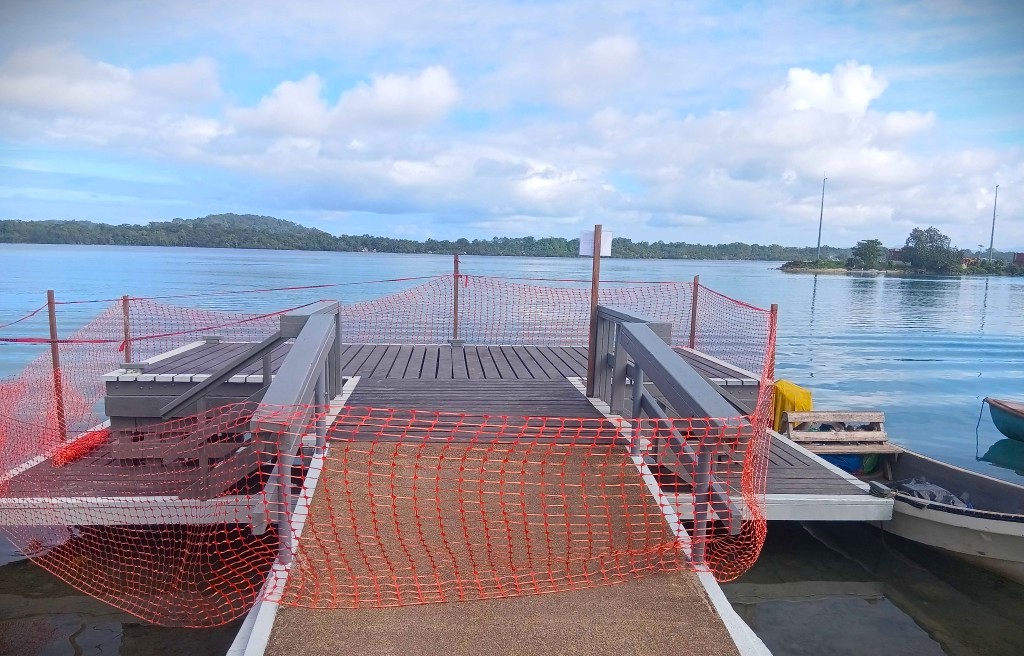
The completed investments include community footpaths, solar-powered lighting, market facilities, drainage improvements, a jetty landing deck and improvements to the Banana Valley wharf storage yard.
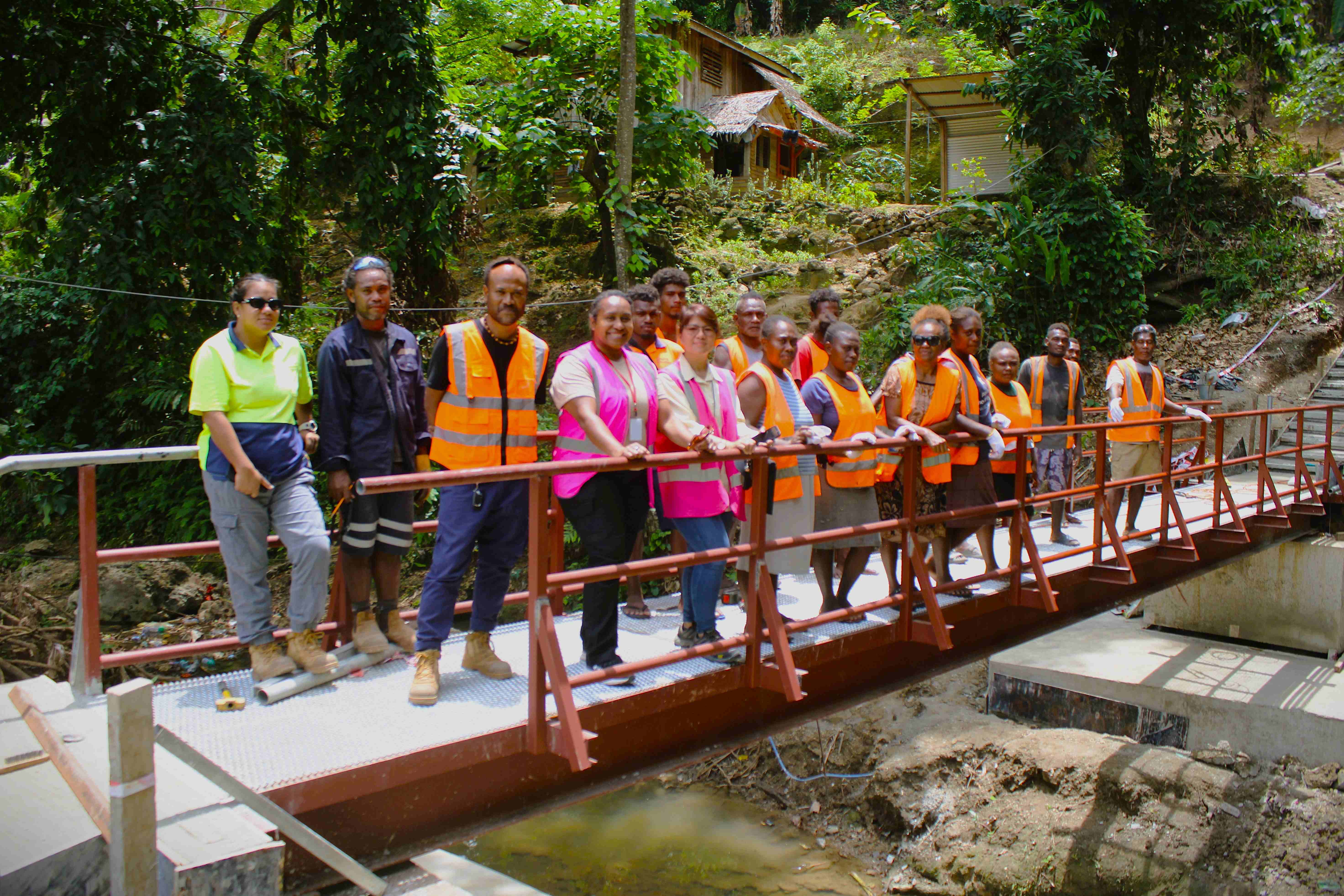
In Gizo, the nine completed sub-projects directly benefit 2,903 people and provided employment opportunities for 108 community workers, including approximately 28 women and 67 young people. The combined value of contracts and materials represents an investment of approximately SBD 818,268.
In Noro, the 10 completed sub-projects have directly benefited an estimated 26,416 people and engaged 155 community workers, including approximately 48 women and 111 young people. The combined value of contracts and materials represents approximately SBD 2.01 million.
Together, the 19 completed investments represent approximately SBD 2.83 million in infrastructure investment, directly reaching more than 29,000 people and providing work opportunities for 263 community workers.
Beyond the infrastructure itself, the handovers highlighted the opportunities created for community members through CAUSE II’s community-based approach.
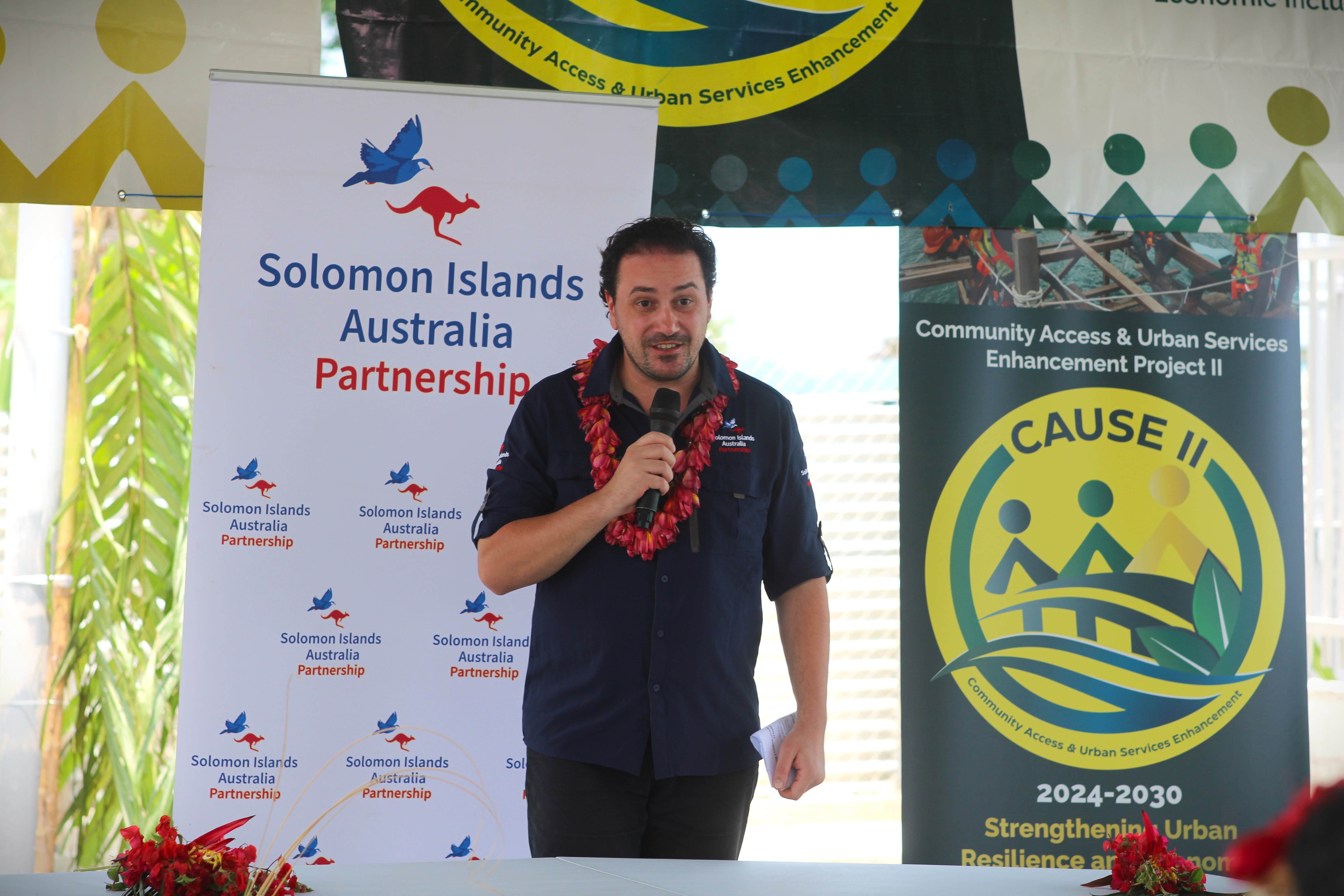
At the Gizo handover, World Bank Task Team Leader Ifeta Smajic highlighted the experience of Jeffery Tione of Epanga Island, who participated in Redi4Waka and Income Generation and Money Management training before working as a team leader in a 20-day waste cleaning and collection activity.
Jeffery applied the skills gained through the project to his seaweed farming livelihood, while the income earned through his community work helped support his family and meet expenses associated with his seaweed farm. His experience, Smajic noted, demonstrates how short-term employment can contribute to longer-term skills, confidence, leadership and livelihood opportunities.
In Noro, the story of Vani Vuto Lizo provided another example of the wider impact of CAUSE II. After completing Redi4Waka training, Vani participated in the construction of the AOG and Police Estate–Inner Koquporo footpaths, gaining practical skills in footpath construction, cement mixing, mesh laying and tool handling. She later secured permanent employment with SolTuna Company Limited in May 2026.
Reflecting on her journey, Vani said: “If it weren’t for CAUSE II Project – I would still be on the lookout for a job.”
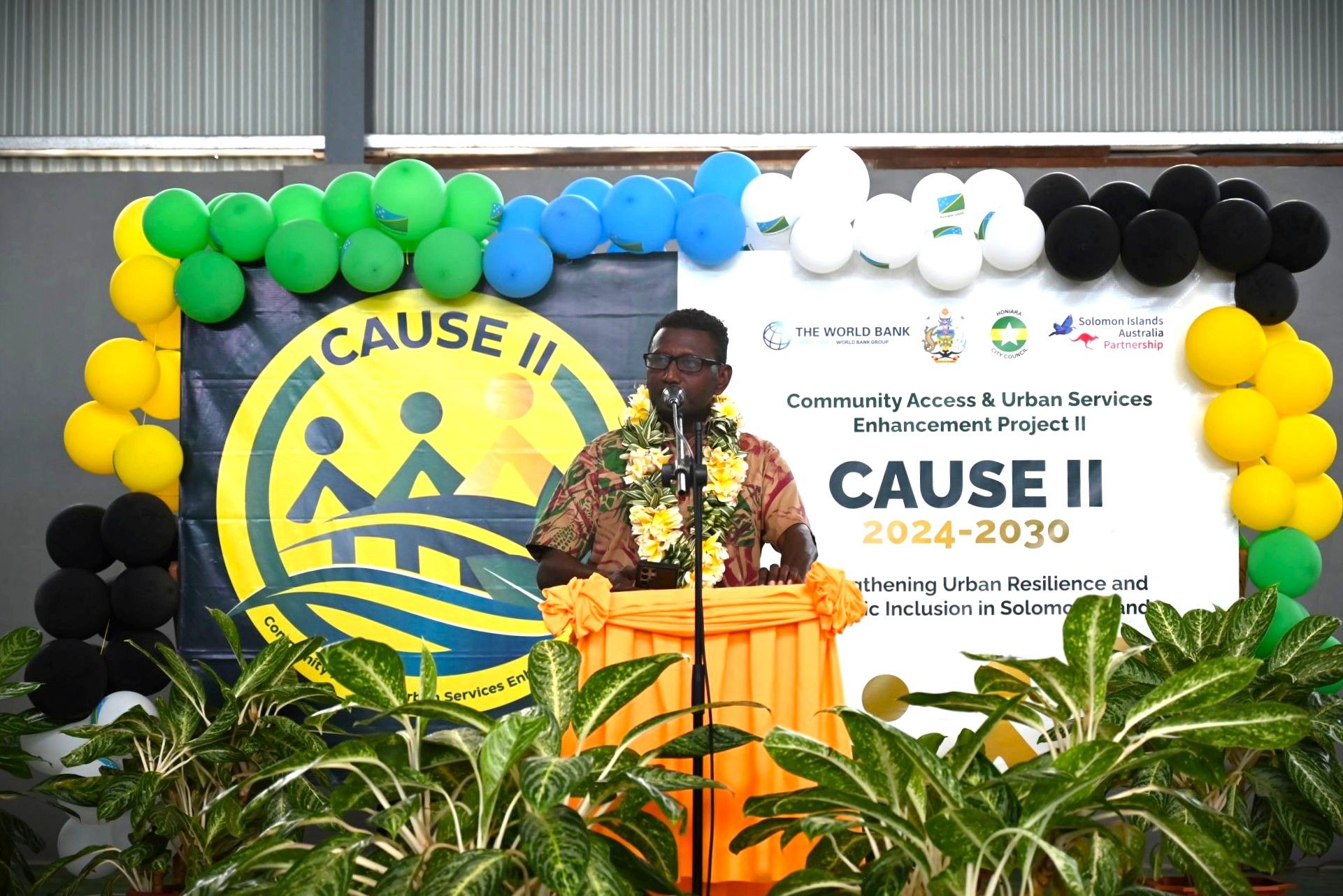
Speaking at the Noro handover on behalf of the Western Provincial Government, Minister for Infrastructure Development Hon. Freedom Tozaka said the completion of the projects represented more than physical infrastructure, highlighting the importance of investing in people and creating opportunities for communities to participate in development.
“We do not want our communities to simply be recipients of development. We want our people to be participants in development,” Minister Tozaka said. He also called on communities to take responsibility for protecting and maintaining the completed facilities so that their benefits can continue for future generations.
The achievements in Gizo and Noro build on the wider foundation established under the CAUSE programme. Under CAUSE I, 213 community infrastructure investments were supported across Solomon Islands, engaging approximately 8,500 community workers, generating around 370,000 labour days and paying more than SBD 26 million in wages to community workers. CAUSE II continues this community-based approach, combining climate-resilient infrastructure and improved urban services with employment, skills development and economic opportunities.
The handovers also reaffirmed the importance of partnership between the Solomon Islands Government, Western Provincial Government, Ministry of Infrastructure Development, World Bank, Australian Government through DFAT, local authorities, CAUSE II implementation teams and communities.
With the 19 projects now formally handed over, responsibility shifts increasingly towards their continued use, care and maintenance. As the completed infrastructure becomes part of the communities it was built to serve, the Gizo and Noro handovers represent more than the completion of 19 projects.
They represent investments in people, opportunities for community workers, and practical infrastructure designed to improve everyday life for thousands of people across Western Province. As highlighted during the handovers, infrastructure is built with communities — and ultimately belongs to communities.
Implemented by the Solomon Islands Government, the CAUSE II Project is supported by the World Bank and the Australian Government through the PNG and Pacific Islands Umbrella Facility Multi-Donor Trust Fund.
Ends///
Gallery