MLHS explores new digital system to improve land services and revenue
HONIARA, Solomon Islands – THE Ministry of Lands, Housing and Survey (MLHS) is exploring a proposed digital system that could improve the management of government land, streamline services and strengthen the collection of land revenue.
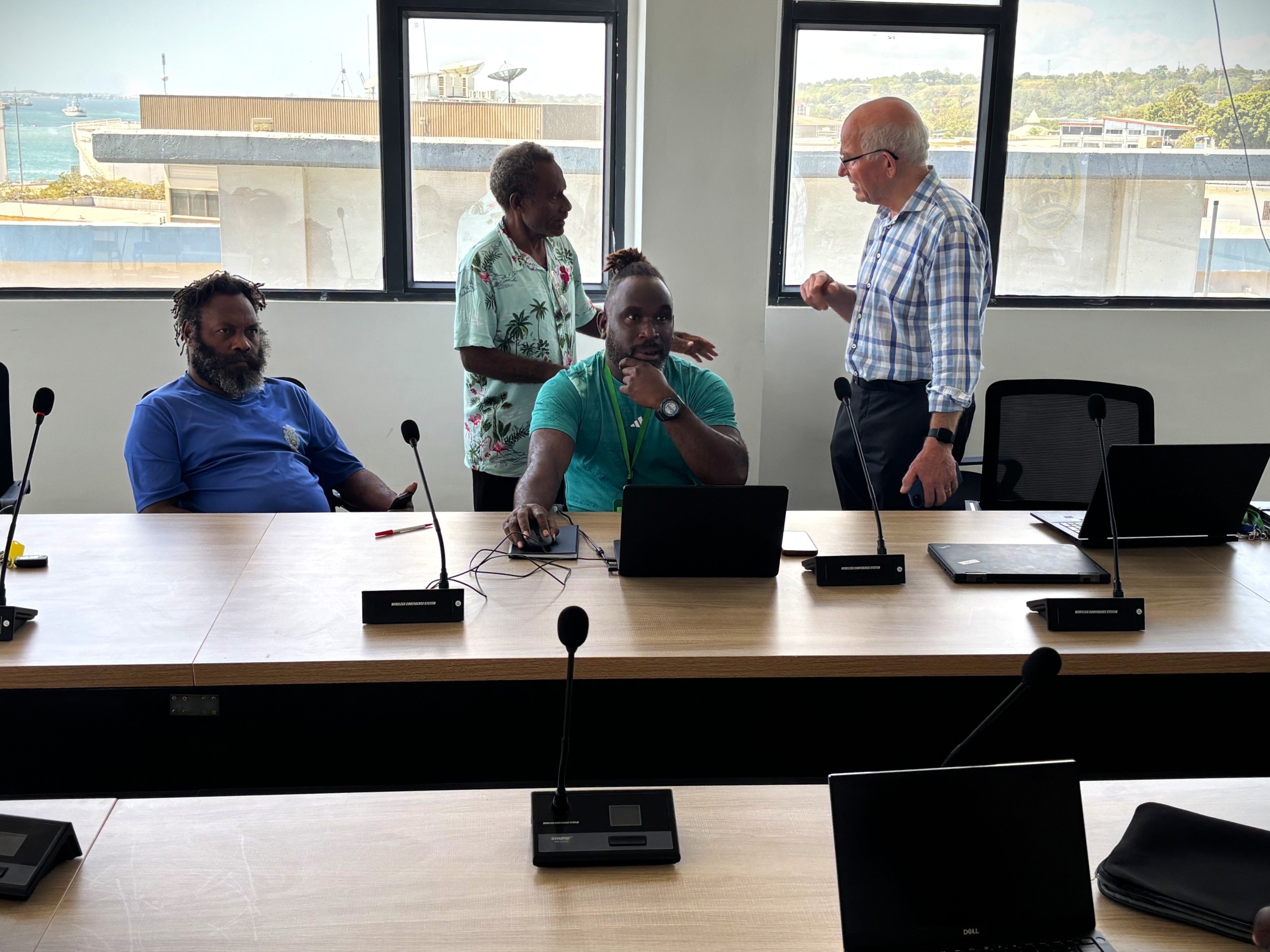
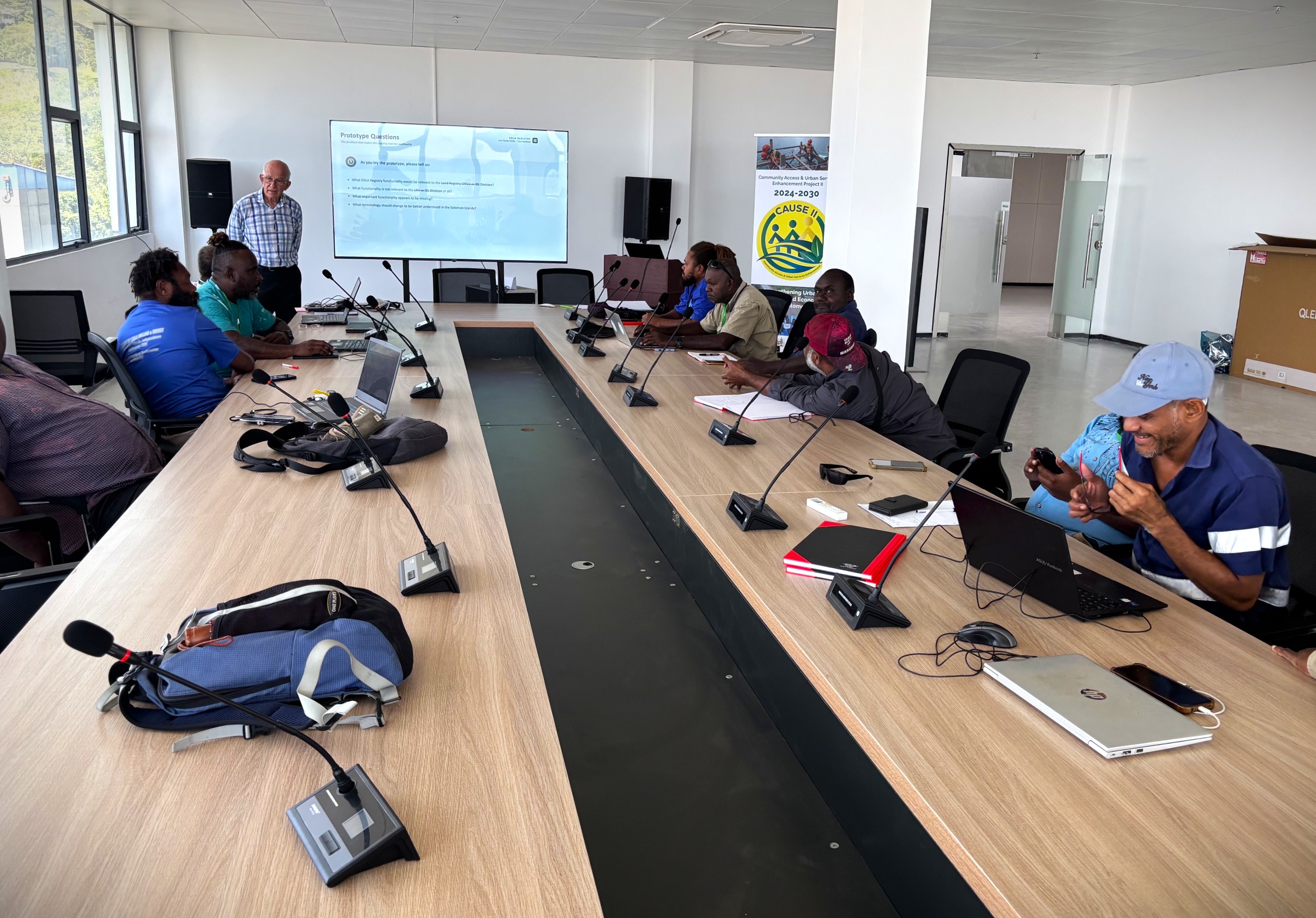
Senior MLHS officials were briefed on the proposed Integrated Land Information System (ILIS) by Neil Pullar, Land Administration Consultant with the World Bank-supported CAUSE II Project.
Among those attending were Margaret Qoloni Etua, Deputy Permanent Secretary (Corporate); Buddley Ronnie, Deputy Permanent Secretary (Technical); and Mary Tegavota, Acting Commissioner of Lands.
The proposed ILIS would provide the Ministry with a single, reliable record of government land, bringing together information on parcels, holdings, uses, values, leases and land transactions.
The system is intended to bring key land administration functions into one place, including the management and mapping of government land, leases and licences, land transactions, and claims and objections. It would also provide a clearer and more transparent way of recording and managing these processes.
Land revenue was a key focus of the briefing.
Land rent and other property-related charges are an important source of revenue for the Ministry, but outdated valuations, missed properties and manual processes can make it difficult to identify what is owed and follow up on outstanding payments.
The proposed system would help keep land information up to date, giving the Ministry a clearer picture of properties, rents, arrears and collections. This could help ensure that revenue owed to government is identified and collected more consistently and fairly.
Mr Pullar emphasised that the proposed ILIS would not change how land rent or premium payments are calculated. The Ministry would continue to control billing and collection, while the system would provide better information to support those processes.
“This is about giving the Ministry one reliable picture of government land, so staff spend less time chasing paper, and the country collects the revenue it is genuinely owed,” Mr Pullar said.
“Nothing here changes how land rent is determined – it simply helps the Ministry apply the existing rules fairly and completely.”
The briefing was an opportunity for discussion rather than a decision. Feedback from Ministry leaders and staff will help shape the system’s requirements before any development begins.
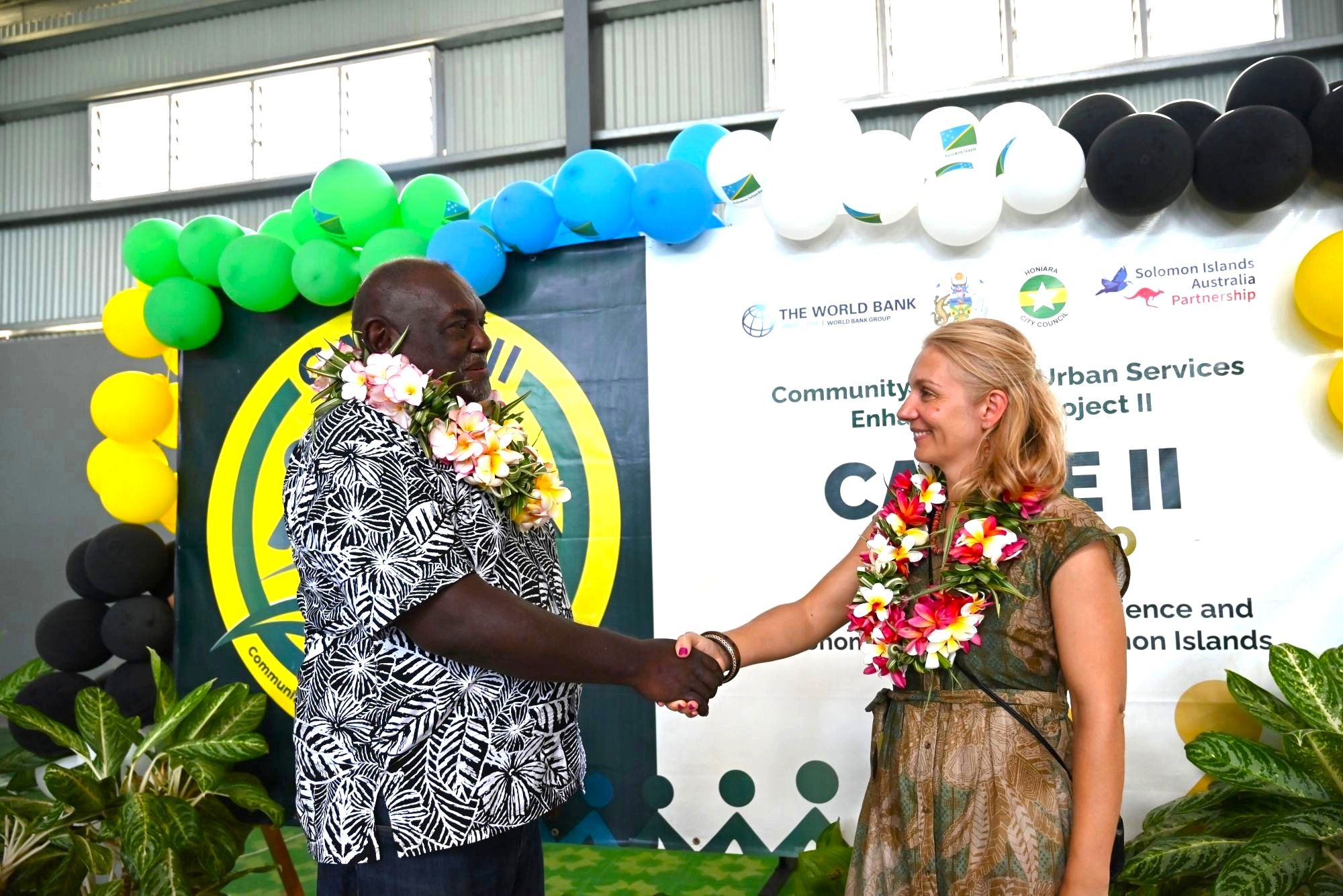
Implemented by the Solomon Islands Government, the CAUSE II Project is supported by the World Bank and the Australian Government through the PNG and Pacific Islands Umbrella Facility Multi-Donor Trust Fund.
End///
Gallery